
Caramel Color
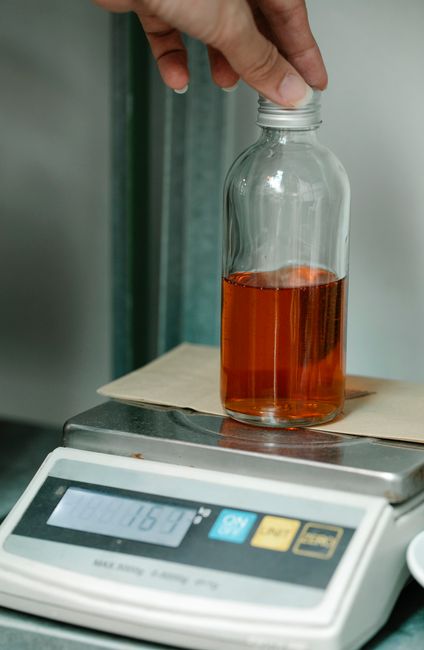
Caramel color is a food additive made by carefully heating carbohydrates, usually corn syrup, sucrose, or dextrose, sometimes with acids, alkalis, or salts added to control the reaction. It is not the same thing as caramel candy or a dessert caramel sauce; it's produced purely for its dark brown color and used in tiny amounts to tint foods and drinks that would otherwise look pale or inconsistent batch to batch. It shows up on ingredient labels as 'caramel color' or 'caramel' and is classified into four regulatory classes (I through IV) based on which reagents were used to make it.
Varieties
The four classes differ by manufacturing process rather than source: Class I (plain caramel) uses no ammonia or sulfite compounds and is the mildest; Class II uses sulfites; Class III uses ammonia compounds and is common in beer and soy sauce; Class IV uses both ammonia and sulfite compounds and is the type used in colas, giving it a reddish-brown hue and strong tinting power.
Buying tips
Look for it in cake decorating or candy-making supply shops, or as 'browning sauce' or 'gravy browning' in the gravy aisle. Check the label for its class if avoiding 4-MEI, a compound formed during the ammonia and ammonia-sulfite processes (classes III and IV) used for beer, soy sauce, and colas; plain caramel (class I) is made without ammonia or sulfites.
Substitutes
Homemade burnt sugar syrup — 1:1
Melt sugar until dark amber and nearly smoking, then carefully dissolve with hot water. Closest match in both color depth and flavor since it's made the same basic way commercial caramel color is.
Unsulphured molasses — 1:1.5 (use half again as much)
Darkens well but brings a stronger, more bitter-sweet flavor than plain caramel color, so best in gravies and baked goods rather than colas.
Dark corn syrup — 1:1
Gives a similar mahogany tint with much less bitterness than molasses, but the color is a bit lighter, so may need a slightly heavier hand for very dark applications.
Browning and seasoning sauce (e.g. Kitchen Bouquet) — 1:1
Made from caramelized vegetable starches and salt; darkens gravies and pan sauces without adding sweetness, which plain caramel color also lacks in most commercial uses.
Soy sauce — to taste, start with a few drops
Deepens color well in savory dishes like gravy or glazes, but adds significant salt and umami, so it isn't a neutral swap and amounts can't be pinned to a fixed ratio.
Strong brewed coffee or espresso — to taste, add a teaspoon at a time
Useful for darkening a sauce or baked good without sweetness, but contributes bitterness and coffee flavor that needs to be balanced against the rest of the recipe.
Storage
Sealed commercial caramel color is shelf-stable for years in a cool, dark pantry since it has very low water activity. Once opened, keep the bottle tightly capped; exposure to air lets it slowly absorb moisture, which can dilute its color strength and eventually let mold take hold at the neck of the bottle.
How to use
Used to darken cola and root beer syrups, brown gravies and gravy mixes, soy sauce, teriyaki and barbecue sauces, dark rye and pumpernickel breads, beer, and spirits like brandy, whiskey, and rum, where it evens out color differences between aging batches rather than affecting flavor.
What it pairs with
Works alongside root beer and cola flavoring extracts in homemade sodas, with beef or onion in pan gravies, and in soy-based marinades and glazes where deeper color is wanted without more soy sauce's saltiness.
Nutrition
Because it's used in drops to teaspoons rather than measured servings, caramel color adds negligible calories or carbohydrate to a finished dish or drink, even though the raw additive itself is carbohydrate-based.
FAQ
Is caramel color the same as caramel sauce?
No. Caramel sauce is a sweet dessert product made from sugar, butter, and cream meant to be eaten on its own. Caramel color is a concentrated, mostly flavorless additive made purely to darken other foods and drinks.
Is caramel color bad for you?
Regulatory agencies classify it as generally safe at typical use levels, but Class III and IV caramel color contain trace amounts of 4-MEI, a compound that has prompted warning-label requirements in California above certain thresholds, which is why some manufacturers switched formulations.
Can I make caramel color at home?
Yes. Cooking sugar until it's very dark, almost burnt, then carefully diluting it with hot water produces a similar dark syrup that works as a home substitute for coloring gravies, sauces, or homemade sodas.
Why is caramel color used in cola instead of just sugar?
Sugar alone doesn't provide color; cola's dark brown comes specifically from Class IV caramel color, which is chosen for its reddish-brown tone and because it stays stable and doesn't settle out over the drink's shelf life.
Have caramel color on hand? Find recipes with our Recipe Generator →