
Chile Morita
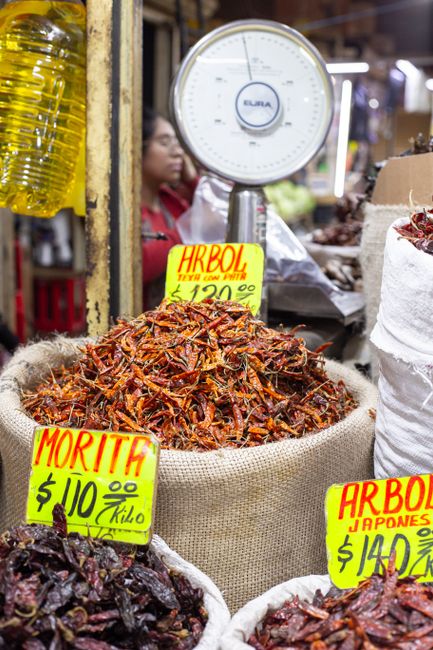
Chile morita is a smoke-dried, fully ripened jalapeño, smaller and darker than the more common chipotle (chile meco), with a deep maroon-brown, wrinkled skin and a shiny finish. It's smoked for a shorter time than chipotle meco, which leaves it with a fruitier, slightly sweet flavor alongside its smokiness, and a medium heat that hits somewhere between a fresh jalapeño and a serrano.
Varieties
Chile morita and chipotle meco both start as the same ripened, smoke-dried jalapeño, but morita is smoked for a shorter time, leaving it softer, darker maroon, and fruitier, while meco is smoked longer for a tan-gray, drier, more intensely smoky chile. Some sellers label meco as "chipotle" and morita separately, but others use "chipotle" to mean either, so check the color and texture rather than relying on the name alone.
Buying tips
Choose pods that are pliable and slightly leathery rather than brittle or crumbly, with a deep reddish-brown to maroon color and a noticeably smoky aroma when you bring the bag close. Avoid stiff, faded, or dusty-looking chiles, which are old and have lost most of their aroma.
Substitutes
Chipotle meco (dried smoked jalapeño) — 1:1
Larger, tougher, and more intensely smoky with less fruitiness; soak a few extra minutes to soften.
Canned chipotle in adobo — 1 morita per 1 canned chipotle
Already softened and packed in a tangy tomato-vinegar sauce, so reduce added acid elsewhere in the recipe.
Ancho chile (dried poblano) — 1:1
Much milder and sweeter with almost no smoke; add 1/4 teaspoon smoked paprika per chile to approximate the missing smokiness.
Guajillo chile plus smoked paprika — 1 guajillo + 1/4 teaspoon smoked paprika per morita
Guajillo brings tangy, fruity depth but no heat or smoke on its own, so the paprika is doing real work here; still won't match morita's chile heat.
Storage
Keep whole dried moritas in an airtight container in a cool, dark cupboard, away from light and heat, for up to a year. For longer storage, freeze them in a sealed bag; they don't need thawing before toasting or soaking.
How to use
Toast whole moritas in a dry skillet for 20-30 seconds per side until fragrant and pliable, then soak in hot water for 15-20 minutes before blending into salsas, adobos, or moles. Salsa morita, blended with tomatillo or roasted tomato, garlic, and a little of the soaking liquid, is a common taco and torta topping. Ground morita powder can go straight into marinades and rubs without rehydrating.
What it pairs with
Pairs well with tomatillo, roasted garlic, lime, and cilantro in salsas, and complements pork carnitas, grilled steak, and barbacoa. Its fruity-smoky profile also works blended into black bean soups and braised short ribs.
Nutrition
Dried moritas are used in small quantities and contribute negligible calories to a dish. They carry concentrated capsaicin (the source of their heat) along with some vitamin A, and drying reduces their vitamin C content compared to fresh jalapeños.
FAQ
What's the difference between chile morita and chipotle?
Both come from smoke-dried ripe jalapeños, but morita is smoked for a shorter time, giving it a shinier, maroon-brown skin and a sweeter, fruitier flavor, while chipotle (technically chile meco) is smoked longer for a tougher, tan-colored chile with a stronger, drier smokiness.
How spicy is chile morita?
It falls in roughly the 2,500 to 8,000 Scoville range, similar to a fresh jalapeño, making it noticeably milder than chile de arbol or chile pequin.
How do I rehydrate chile morita?
Toast the whole pod in a dry skillet for 20 to 30 seconds per side until it smells fragrant and puffs slightly, then soak it in hot (not boiling) water for 15 to 20 minutes until it's soft enough to blend.
Can I use morita powder instead of whole pods?
Yes. Use about 1 teaspoon of ground morita powder in place of each whole pod, stirring it directly into sauces, marinades, or rubs without soaking.
Have chile morita on hand? Find recipes with our Recipe Generator →