
Dandelion Greens
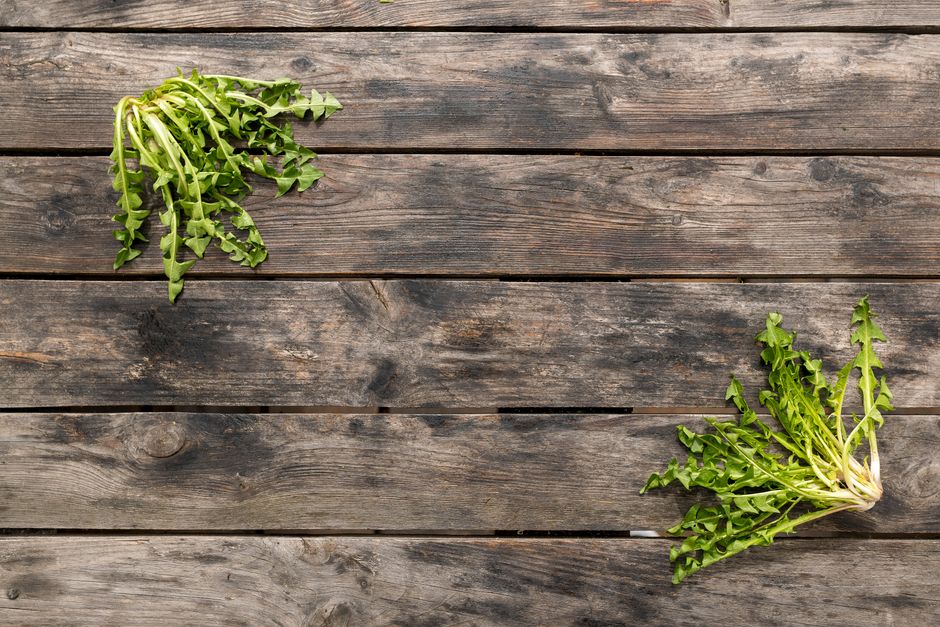
Dandelion greens are the leaves of the common dandelion plant (Taraxacum officinale), harvested before or just as the plant flowers. They have deeply toothed, jagged edges (the name comes from the French "dent de lion," or lion's tooth) and a flavor that's assertively bitter with a peppery, slightly mineral edge, closer to arugula or chicory than to spinach or kale.
Varieties
Cultivated dandelion greens sold at farmers markets or grocery stores are typically a broader-leafed variety bred to be less bitter than wild dandelion greens picked from a lawn or field. Wild greens are usually more intensely bitter and benefit more from blanching before cooking.
Buying tips
Choose bunches with deep green, unblemished leaves and firm stems; avoid any that look yellowed, wilted, or slimy at the cut ends. Smaller, narrower leaves are generally younger and less bitter than large, broad ones. If foraging rather than buying, pick leaves before the plant flowers, since bitterness increases sharply once it blooms.
Substitutes
Chicory greens (curly endive or escarole) — 1:1
Very similar bitterness level and texture; escarole is slightly milder and better in cooked dishes.
Mustard greens — 1:1
Peppery rather than bitter, but a good stand-in in braises and saut\u00e9s where dandelion greens would otherwise be used.
Turnip greens — 1:1
Milder and slightly earthy; works well if bitterness needs to be dialed back for a dish.
Broccoli rabe (rapini) — 1:1
Similar bitter profile with a firmer stem; trim and cook stems a bit longer than the leaves.
Baby spinach or Swiss chard — 1:1
Not bitter at all, so the dish will taste noticeably milder, but this works if bitterness isn't wanted.
Storage
Wrap unwashed greens loosely in a damp paper towel, place in a perforated plastic bag, and refrigerate in the crisper drawer. Use within 3 to 5 days; they wilt and yellow faster than sturdier greens like kale.
How to use
Young, small leaves can go raw into salads dressed with something acidic and a little sweet to balance the bitterness, like a warm bacon vinaigrette. Mature leaves are better wilted or braised: saut\u00e9 with garlic and olive oil, add to soups and bean stews, or blanch for a minute in salted water first to soften the bitterness before finishing in a pan.
What it pairs with
Pairs well with bacon or pancetta, garlic, lemon, and Parmesan, all of which cut through the bitterness. Also good with white beans, soft-cooked eggs, and warm vinaigrettes built on balsamic or sherry vinegar and a touch of honey.
Nutrition
Dandelion greens are notably high in vitamin K and vitamin A (as beta-carotene), and provide calcium, iron, and vitamin C. They're one of the more nutrient-dense greens available, largely because they're eaten in fairly small, concentrated portions per serving.
FAQ
How do you make dandelion greens less bitter?
Blanch the leaves in salted boiling water for 1 to 2 minutes and drain before saut\u00e9ing; this pulls out much of the bitterness. Pairing with fat (bacon, olive oil, cheese) and acid or sweetness also helps balance what remains.
Can you eat dandelion greens raw?
Yes, especially young, small leaves, but they're quite bitter raw. They work best in a salad with a bold, slightly sweet dressing rather than eaten plain.
Are dandelion greens the same as the dandelions in my yard?
Botanically yes, but greens sold for eating are usually a cultivated variety with milder flavor. Yard dandelions are edible too if untreated with pesticides, but tend to be more bitter, especially once the plant has flowered.
Do dandelion greens need to be cooked?
No, but cooking (saut\u00e9ing, braising, or blanching) mellows the bitterness considerably and is generally preferred for mature leaves, while young leaves are more palatable raw.
Have dandelion greens on hand? Find recipes with our Recipe Generator →