
Elderflower
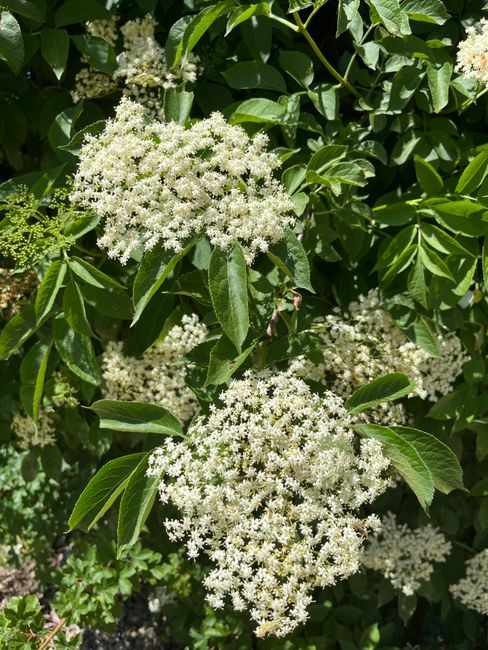
Elderflower is the small, cream-white blossom of the elder shrub (Sambucus nigra in Europe, Sambucus canadensis in North America), prized for its delicate, honeyed, faintly muscat-grape and pear-like floral flavor. It's used almost exclusively as a flavoring agent, steeped into syrups, cordials, and infusions rather than eaten whole, since raw elder flowers, stems, and unripe berries contain compounds that are toxic unless properly processed.
Varieties
Sambucus nigra (European elder) is the species most commonly used for elderflower cordial and liqueur. Sambucus canadensis (American elder) produces similar blossoms and is used interchangeably, though its flowers are slightly less fragrant. Red elderberry species (Sambucus racemosa) are considered too toxic to use even after processing and should be avoided entirely.
Buying tips
Look for fresh clusters (umbels) that are fully open, pale cream in color, and fragrant with no browning at the edges; they're typically only available for a few weeks in late spring to early summer. Dried elderflower, sold in tea and herbal shops, should look pale yellow-white and smell sweetly floral, not musty or brown.
Substitutes
St-Germain or other elderflower liqueur — start with 1-2 tsp per cup of liquid
Already sweetened and alcoholic, so reduce added sugar in the recipe; best in cocktails and syrups rather than baking.
Elderflower cordial (store-bought) — 1:1 for elderflower syrup called for in a recipe
Cordial is more concentrated and pre-sweetened than homemade syrup, so dilute slightly if the recipe expects a thinner liquid.
Chamomile tea, strongly steeped — 1:1 as a liquid substitute
Shares a mild floral, apple-like note but lacks elderflower's honeyed sweetness; add a pinch of sugar and a squeeze of lemon to compensate.
Muscat or Gewurztraminer wine, reduced slightly — use about 3/4 the volume called for
Grapey, floral character echoes elderflower's flavor profile; best in desserts and glazes rather than delicate infusions.
Lychee syrup with a squeeze of lemon — 1:1
Approximates the fruity-floral sweetness in cocktails when no elderflower product is on hand, though it lacks the herbal edge.
Storage
Fresh elderflower clusters wilt and brown within a day or two; keep them loosely wrapped in a paper towel in the refrigerator and use as soon as possible. Dried elderflower keeps its aroma for about a year stored in an airtight jar away from light and heat. Homemade elderflower cordial or syrup keeps 4-6 weeks refrigerated, or up to a year frozen in ice cube trays.
How to use
Steep fresh or dried blossoms in hot water or sugar syrup to make cordial, then dilute with water or sparkling wine for a drink, or use the syrup in sorbets, poached fruit, and cake glazes. Fresh clusters can be dipped in light batter and fried as fritters, or infused into cream for panna cotta and custards. Always strain out the actual flowers before serving since the stems and green parts carry the toxic compounds found throughout the rest of the plant.
What it pairs with
Pairs naturally with lemon, gooseberry, rhubarb, and pear, and with sparkling wine, prosecco, and gin in cocktails. Also complements honey, yogurt, and light sponge cakes.
Nutrition
Elderflower is used in tiny, diffuse amounts as a flavoring, so it contributes negligible calories or nutrients to a finished dish; any health claims tied to elderflower mainly concern the berries, not the blossoms.
FAQ
Is elderflower safe to eat raw?
The blossoms are generally infused or cooked rather than eaten raw in quantity; the stems, leaves, and unripe berries of the plant contain cyanogenic glycosides and should never be eaten, so always strain flowers out of infusions before drinking.
What does elderflower taste like?
Delicate and floral with notes of honey, pear, and muscat grape, closer to a light perfume than a strong herb; it's rarely used as the dominant flavor but rather to add fragrance to lighter drinks and desserts.
Can I use elderflower cordial instead of fresh blossoms in a recipe?
Yes, cordial is the more common form home cooks use anyway; substitute it directly for homemade syrup and reduce any added sugar since cordial is already sweetened.
How do I make basic elderflower cordial at home?
Steep about 20-25 fresh flower heads in a syrup made from sugar and water with lemon zest and juice for 24 hours, then strain through cheesecloth and refrigerate; the citric acid from the lemon also helps preserve the cordial.
Have elderflower on hand? Find recipes with our Recipe Generator →