
Filipino Desserts
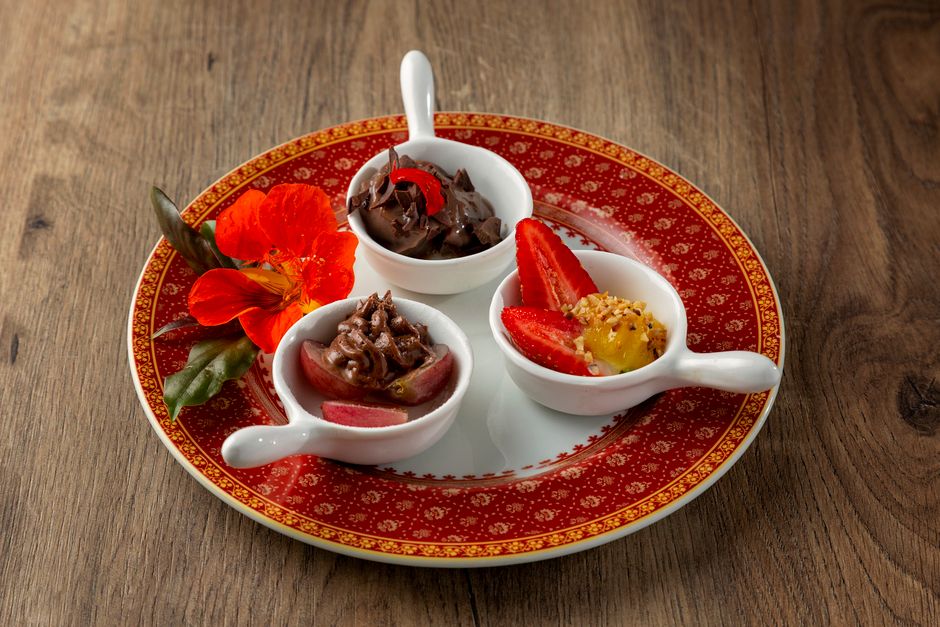
Filipino desserts, broadly called kakanin when they're rice-based, are built on a small set of staple ingredients: glutinous rice, coconut milk, cassava, purple yam (ube), and sugar. Unlike Western desserts that lean on butter, flour, and refined sugar, most Filipino sweets are steamed or boiled rather than baked, and get their richness from coconut in one form or another (fresh milk, cream, or reduced curds called latik). The result is a category of desserts that's dense, chewy, and only moderately sweet compared to American baking, meant to be eaten in small squares or slices alongside coffee rather than as a single large plated dessert.
Varieties
Kakanin covers a wide range of distinct desserts rather than one dish: biko is a sticky rice cake topped with caramelized coconut curds (latik), puto is a steamed, slightly savory rice cupcake, suman is rice wrapped and steamed in banana or palm leaves, and bibingka is a baked rice cake traditionally cooked over charcoal in a clay pot, especially around Christmas. Halo-halo, by contrast, isn't a kakanin at all but a shaved-ice dessert built from layered sweetened fruits, beans, and jellies.
Buying tips
Buy glutinous rice (labeled 'sweet rice' or 'malagkit') separately from regular jasmine rice; the two aren't interchangeable since glutinous rice needs its higher starch content to get the sticky texture kakanin depend on. Fresh ube, when available, should feel firm with unblemished purple-white flesh; frozen grated ube is a reliable substitute and holds color better than fresh ube that's been sitting out.
Substitutes
Ube halaya (jarred) for fresh ube — 1:1 by volume
Jarred ube halaya is already sweetened and cooked down, so it works directly in cakes and fillings; reduce added sugar in the recipe by about a quarter.
Purple sweet potato (Okinawan or Stokes) for fresh ube — 1:1 by weight
Similar color and starchiness once boiled and mashed, but noticeably sweeter and less nutty than true ube; good in a pinch for halaya or ube cake.
Canned coconut milk for fresh-pressed gata — 1:1
Canned coconut milk is thicker and more consistent than home-extracted gata; thin with a little water if a recipe calls for the second, lighter pressing.
Sweetened condensed milk for muscovado sugar in leche flan — Reduce added sugar by half, use condensed milk as the primary sweetener
Common workaround when muscovado isn't available; the flan turns out lighter in color and slightly less caramel-forward.
Tapioca pearls for cassava in some steamed cakes — Not a direct swap, use only in puddings, not cassava cake
Tapioca pearls come from the same plant but won't replicate the shredded, fibrous texture cassava cake needs; only substitute in tapioca-style puddings like sago't gulaman.
Storage
Rice-based kakanin like biko and suman dry out and harden at room temperature within a day; wrap tightly in plastic or foil and refrigerate for up to 5 days, then steam for a few minutes or microwave with a damp paper towel over the top to soften before serving. Leche flan and ube halaya keep well refrigerated in a covered container for up to a week. Coconut-heavy desserts don't freeze well since the fat separates and the texture turns grainy on thawing.
How to use
Kakanin are typically served as merienda (an afternoon snack) rather than an after-dinner course, often alongside coffee or hot chocolate (tsokolate). Leche flan is the exception, commonly served at the end of a meal or as part of a holiday spread like Noche Buena. Many kakanin, like biko and puto, also show up at breakfast alongside savory dishes such as dinuguan.
What it pairs with
Pair rice-based kakanin with unsweetened black coffee or salabat (ginger tea) to offset their sweetness. Leche flan pairs well with fresh mango or a bright citrus element to cut its richness. Ube desserts pair naturally with coconut in almost any form, ice cream, macapuno strings, or a coconut cream sauce.
Nutrition
Most Filipino desserts get their calories from a combination of glutinous rice, coconut, and sugar, making them calorie-dense in small portions; coconut milk contributes saturated fat, though it's plant-based. Leche flan is high in cholesterol from the egg yolks used to set the custard, typically 6 to 8 yolks per standard llanera pan.
FAQ
What makes Filipino desserts different from Western desserts?
They're built around glutinous rice, coconut, and root vegetables like cassava and ube rather than wheat flour and butter, and most are steamed or boiled instead of baked, giving them a denser, chewier texture.
Is ube the same as purple sweet potato?
No. Ube is a separate species (Dioscorea alata, a yam) with a more subtle, nutty-vanilla flavor, while purple sweet potato is sweeter and more common outside the Philippines, which is why it's often used as a substitute.
Why do some kakanin taste only mildly sweet?
They're traditionally eaten as a snack alongside a sweet drink like hot chocolate or coffee, so the dessert itself is kept less sweet to balance against the drink.
Can Filipino rice desserts be made without a steamer?
Yes, a wide pot with a steaming rack and a tight-fitting lid works fine; the key is maintaining consistent steam for the full cook time, usually 25 to 45 minutes depending on the size of the cake.
Have filipino desserts on hand? Find recipes with our Recipe Generator →