Frozen Strawberries
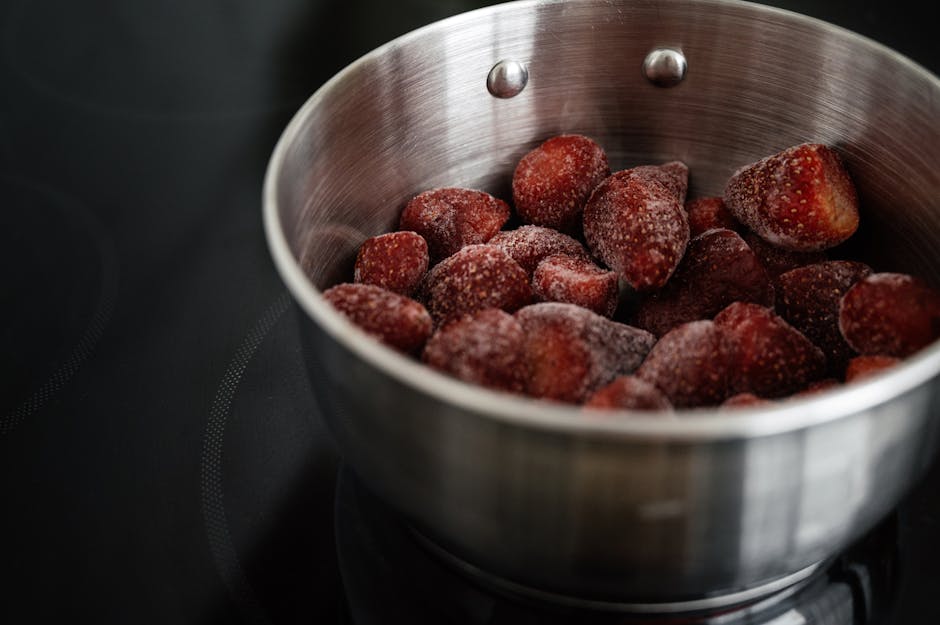
Frozen strawberries are whole or sliced strawberries picked at peak ripeness and flash-frozen shortly after harvest, which locks in most of their sugar, color, and vitamin content at a fraction of the cost of fresh berries out of season. Because the fruit is frozen at its ripest, frozen strawberries are often more flavorful and consistent than the fresh strawberries sold in grocery stores in winter, though the freezing process ruptures cell walls and makes the fruit noticeably softer once thawed.
Buying tips
Choose bags where the berries move loosely and separately rather than forming one solid frozen block, which signals the fruit thawed and refroze at some point during shipping or storage. Whole berries generally hold better quality than pre-sliced for long freezer storage. Check the ingredient list for added sugar or syrup if the plan is to control sweetness in the final dish.
Substitutes
Fresh strawberries, sliced — 1:1 by volume
Works in any recipe, but fresh berries hold their shape better in baking while releasing far less liquid than thawed frozen ones.
Frozen mixed berries (strawberry, raspberry, blueberry, blackberry blend) — 1:1 by volume
Good in smoothies and compotes where flavor blending is fine; changes the color and adds more tartness than straight strawberries.
Strawberry puree (thawed and blended) — 1:1 by volume
Best when a recipe is going to blend or cook the berries down anyway, such as sauces, syrups, or smoothies; skips the step of the fruit breaking down unevenly on its own.
Freeze-dried strawberries — about 1/4 cup freeze-dried per 1 cup frozen
Not a true swap in most recipes since freeze-dried berries have almost no water content and a crunchy, concentrated texture; useful for crushing into batters or toppings rather than replacing wet frozen fruit directly.
Storage
Keep frozen strawberries at 0°F (-18°C) or below and they'll hold good quality for 8 to 12 months. Once a bag is opened, press out excess air and reseal tightly, or clumping and ice crystals will form faster from repeated temperature swings. Thawed berries should be used within a day or two and should not be refrozen once fully defrosted, since a second freeze breaks the fruit down into mush.
How to use
Blend straight from frozen into smoothies for a thick, cold texture without diluting with ice. Fold unthawed into muffin or pancake batter to keep the batter from turning pink and streaky. Simmer with a little sugar and lemon juice for a quick compote or pancake syrup. For pies and crisps, thaw first and drain the released juice (or thicken it separately) so the filling doesn't turn watery in the oven.
What it pairs with
Pairs well with banana and oats in smoothies, with balsamic vinegar and black pepper in cooked sauces, and with vanilla, basil, or rhubarb in desserts.
Nutrition
Frozen strawberries are nutritionally close to fresh, roughly 50 calories per cup, and remain a strong source of vitamin C and fiber. Flash-freezing shortly after harvest can actually preserve more vitamin C than strawberries that spend days in transit and on store shelves before being eaten fresh.
FAQ
Can frozen strawberries replace fresh in any recipe?
In smoothies, sauces, jams, and baked goods where the berries get cooked or blended, yes. In fresh preparations like salads or a strawberry shortcake topping, thawed frozen berries turn soft and watery and won't hold their shape.
Should frozen strawberries be thawed before baking?
No, for muffins, pancakes, and quick breads, add them frozen. Thawing first releases juice that bleeds color through the batter and can make the crumb gummy.
Why do frozen strawberries turn mushy when thawed?
Freezing forms ice crystals inside the fruit's cells that rupture the cell walls. Once thawed, the structure can't hold water the way it did fresh, so the berries collapse and release liquid.
Can you refreeze strawberries after they've thawed?
It's not recommended. A second freeze-thaw cycle breaks the fruit down further into a watery, mushy texture and increases the risk of bacterial growth if the berries sat out at room temperature while thawing.
Have frozen strawberries on hand? Find recipes with our Recipe Generator →