
Fruit Desserts
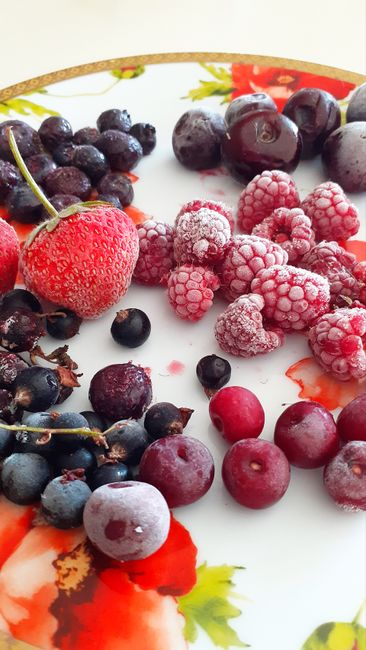
Fruit desserts are any sweet dish built around fresh, frozen, canned, or dried fruit as the main flavor, rather than chocolate, nuts, or dairy. The category covers baked forms like cobblers, crisps, crumbles, and galettes, as well as unbaked forms like fruit salads, compotes, poached fruit, and fruit-based sorbets. What separates a good fruit dessert from a mediocre one usually comes down to how the fruit's natural moisture and sugar level are handled, since too much liquid leads to soggy crusts and watery fillings.
Varieties
A crisp has a streusel-style topping of butter, flour, and sugar, often with oats mixed in. A crumble is nearly identical but traditionally leaves out the oats. A cobbler is topped with drop biscuits or a rolled biscuit dough rather than a streusel. A buckle has the fruit folded into a cake batter, and a grunt (or slump) is a cobbler cooked on the stovetop with a steamed, dumpling-like topping instead of being baked.
Buying tips
Choose fruit that smells fragrant at the stem end and gives slightly to gentle pressure; fruit that's rock hard or has no smell will likely taste bland even after baking. Buy fruit in season for better flavor and lower cost, and lean on frozen fruit out of season since it's typically picked and frozen at peak ripeness.
Substitutes
Frozen fruit, unsweetened — 1:1 by volume
Thaw first and drain the juice that collects, or add an extra tablespoon of cornstarch or flour to the filling to compensate for the released liquid.
Canned fruit in juice, drained — 1:1 by volume
Softer texture and milder tartness than fresh; cut back any added sugar in the recipe by about a third since canned fruit is already sweetened by the packing juice.
Dried fruit, reconstituted in warm water or juice — 3/4 cup soaked dried fruit per 1 cup fresh
Soak 20 to 30 minutes until plump, then drain well. Works best in cobblers and crisps rather than raw fruit salads, since texture stays chewier than fresh fruit.
Unsweetened applesauce — 3/4 cup applesauce per 1 cup chopped fruit
Only suitable for fillings where the fruit breaks down anyway, like crisps and crumbles; it adds moisture and sweetness but no chunks of fruit.
A different fruit in the same family (e.g., nectarines for peaches, blackberries for raspberries) — varies by fruit density and water content
Flavor and color shift, and baking time may need adjusting since some fruits release more juice than others; not a fixed-ratio swap.
Storage
Baked fruit desserts like cobblers and crisps keep at room temperature, loosely covered, for about a day, then should move to the refrigerator for up to 4 days. Reheat in a 350°F oven for 10 to 15 minutes to re-crisp the topping rather than using a microwave, which softens it. Unbaked fruit salads and compotes keep refrigerated in a sealed container for 2 to 3 days before the fruit starts breaking down.
How to use
Cobblers, crisps, and crumbles use baked fruit under a biscuit, streusel, or oat topping. Galettes and hand pies wrap the fruit in pastry. Compotes and poached fruit involve gently cooking fruit in a light syrup or wine, often served over yogurt or ice cream. Fresh fruit salads and macerated fruit (tossed with sugar and left to sit) need no cooking at all and work best with fruit at full ripeness.
What it pairs with
Vanilla ice cream, whipped cream, or creme fraiche cut the sweetness of warm baked fruit desserts. Toasted nuts like almonds, pecans, or pistachios add crunch to soft fruit textures. Warm spices such as cinnamon, cardamom, and ginger pair naturally with stone fruit and apples, while a splash of citrus zest brightens berry-based desserts.
Nutrition
Fruit desserts contain the fiber, vitamin C, and potassium of the fruit itself, but added sugar, butter, and pastry can push calories well past what the fruit alone provides. A cup of unsweetened fresh berries runs 50 to 85 calories, while the same berries baked into a crisp with a buttered oat topping can run 250 to 350 calories per serving.
FAQ
What's the actual difference between a crisp and a crumble?
A crisp topping traditionally includes oats along with flour, butter, and sugar, giving it a coarser, crunchier texture, while a crumble uses just flour, butter, and sugar for a finer, sandier topping.
Can frozen fruit go straight into a cobbler without thawing?
Yes, but add 10 to 15 minutes to the bake time since frozen fruit lowers the oven temperature of the filling, and toss it with an extra tablespoon of cornstarch to absorb the additional liquid it releases as it thaws.
How do you keep a fruit pie or cobbler filling from turning watery?
Toss the fruit with cornstarch, flour, or tapioca starch before baking (about 2 tablespoons per 4 cups of fruit), and let very juicy fruit like berries or peaches sit with sugar for 15 minutes first, draining off some of the released juice before it goes into the pan.
Can fruit desserts be assembled ahead of time?
Unbaked fruit fillings can be mixed and refrigerated up to a day ahead, though juicy fruit will release more liquid the longer it sits, so add the thickener right before baking rather than in advance. Baked desserts like crisps also reheat well the next day, often with better texture than fresh from the oven.
Have fruit desserts on hand? Find recipes with our Recipe Generator →