
Gazpachada
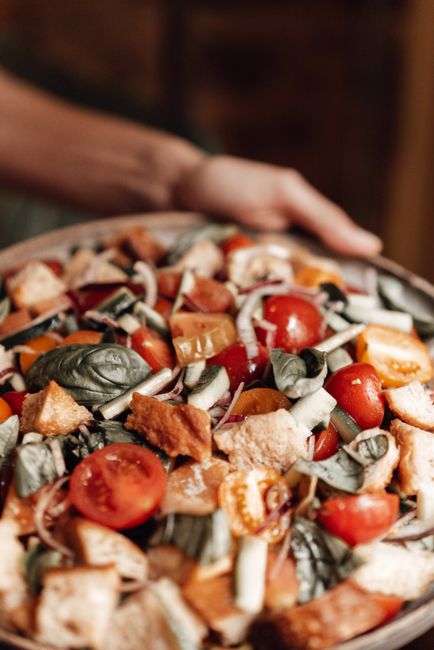
Gazpachada is a rustic, unblended cousin of gazpacho eaten across Murcia, Almeria, and parts of Extremadura. Stale country bread is soaked in water until soft, then torn or crumbled and tossed with grated or hand-crushed tomato, garlic, olive oil, vinegar, and salt, along with chopped cucumber, green pepper, or onion depending on the region. Unlike gazpacho or salmorejo, nothing gets pureed in a blender: the bread stays in visible chunks and the tomato is left coarse, so the result sits somewhere between a cold soup and a bread salad. It began as a field worker's dish, a cheap, filling way to use up dry bread and ripe tomatoes during the hottest months, and it's still often finished with canned tuna, hard-boiled egg, or olives to make it a full meal.
Varieties
Gazpachada should not be confused with gazpacho manchego, a completely different warm hunter's stew from La Mancha made with game meat and flatbread, despite the similar name. Within gazpachada itself, the Murcia version tends to include green pepper and onion alongside the tomato and bread, while the Almeria version keeps it closer to just bread, tomato, garlic, and oil, sometimes called a poor man's gazpacho.
Buying tips
There's no packaged version worth seeking out; this is a made-at-home dish. Use genuinely stale, dense country bread (pan de pueblo or a rustic sourdough gone a day or two hard) rather than soft sandwich bread, which turns to mush instead of holding its shape. Choose fully ripe, heavy tomatoes for grating, since underripe ones leave the dish watery and sour.
Substitutes
Salmorejo (Cordoban style) — 1:1
Blended smooth with more bread per tomato, so it's thicker and creamier with no visible vegetable chunks. Traditionally topped with the same jamon and egg garnish.
Classic Andalusian gazpacho — 1:1
Fully blended and drinkable rather than chunky. Lighter and better suited to a hot-weather starter than a main meal.
Panzanella — 1:1
Italian bread and tomato salad served dry rather than soaked in liquid, dressed with vinegar and oil right before eating. Firmer, drier texture throughout.
Migas with tomato — 1:1
Fried leftover bread crumbs finished with garlic and tomato, served warm instead of cold. A good stand-in when you want the same rustic bread-and-tomato pairing but not a cold dish.
Storage
Keep gazpachada in an airtight container in the refrigerator for up to 2 to 3 days. The bread keeps absorbing liquid as it sits, so it gets softer and thicker over time; stir in a splash of water or a little more crushed tomato before serving if it's turned pasty. It doesn't freeze well: the soaked bread turns grainy and waterlogged once thawed.
How to use
Serve chilled as a starter or light lunch, spooned into shallow bowls and drizzled with extra olive oil. Top with flaked canned tuna, chopped hard-boiled egg, black olives, or diced serrano ham to turn it into a full meal, which is how it's traditionally eaten by farm and orchard workers. It also works spooned over sliced fresh tomatoes as a rustic side.
What it pairs with
Pairs well with chilled fino or manzanilla sherry, grilled sardines, cured ham, and crusty bread on the side for scooping. Also good alongside simply grilled white fish or a plain omelet for a full rustic lunch.
Nutrition
Because it's built on soaked bread and a generous pour of olive oil, gazpachada is more calorie-dense than blended gazpacho, with more carbohydrates and fat per serving. Raw tomato, cucumber, and pepper still contribute vitamin C, and the olive oil supplies mostly monounsaturated fat.
FAQ
Is gazpachada the same thing as gazpacho?
No. Gazpacho is blended smooth into a drinkable soup, while gazpachada keeps the soaked bread and tomato in coarse, visible pieces, more like a wet bread salad than a soup.
Can gazpachada be made with fresh bread instead of stale?
Yes, but reduce the soaking time significantly, since fresh bread breaks down much faster and can turn to paste if left in water as long as stale bread requires.
Does gazpachada always include meat or fish?
The base is vegetarian, just bread, tomato, garlic, oil, and vinegar. Tuna, ham, or hard-boiled egg are common toppings added at serving time rather than ingredients in the base itself.
Why does gazpachada use bread when gazpacho doesn't always need it?
The bread was originally added to stretch a small amount of tomato into a filling meal and to give field laborers a dish with enough carbohydrates and calories for physical work, a practical origin that shaped the texture more than any flavor goal.
Have gazpachada on hand? Find recipes with our Recipe Generator →