
Gorditas
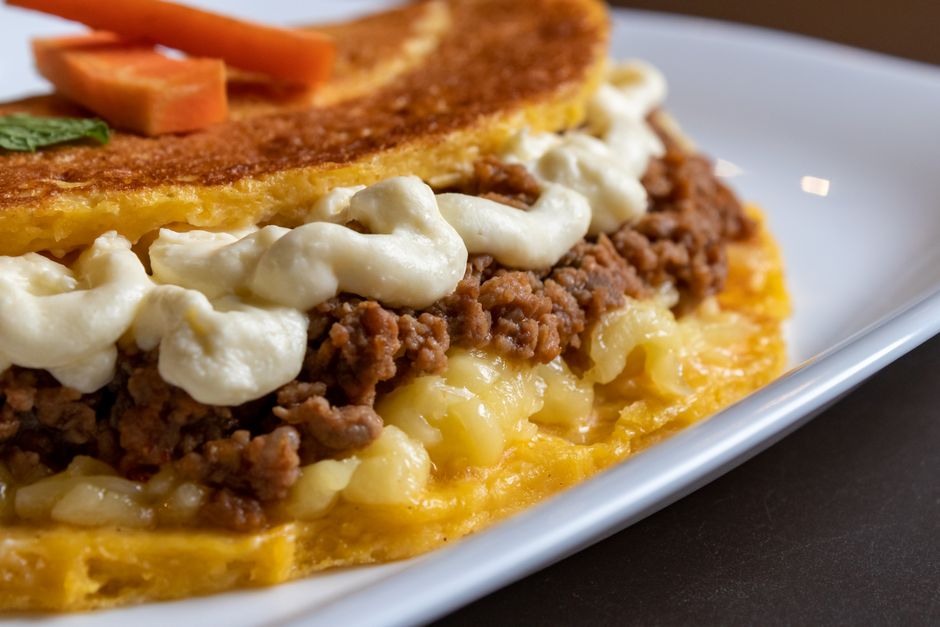
Gorditas are thick, round Mexican masa cakes, about a half-inch to an inch thick, cooked on a comal or griddle and then either fried or finished in oil until the outside crisps. Unlike a tortilla, a gordita is substantial enough to split open like a pita and stuff with fillings such as refried beans, shredded meat, chicharron, or cheese. The name means "little fat one," a reference to their thickness compared to a tortilla.
Varieties
Gorditas de horno are baked rather than fried and have a drier, bread-like crumb, common in central Mexico. Gorditas de nata are a sweeter, richer version made with cream skimmed from scalded milk, often eaten plain or with a dusting of sugar rather than split and stuffed.
Buying tips
Fresh gorditas from a Mexican bakery or taqueria should feel slightly springy and warm, not stiff or dry at the edges. If buying masa harina to make them at home, choose a fine-ground brand labeled for tortillas or gorditas rather than tamale masa, which is coarser and meant to stay soft rather than hold a crisp exterior.
Substitutes
Store-bought corn tortillas, doubled and pan-toasted — 2 tortillas per 1 gordita
Not authentic, but layering two thick tortillas and toasting them together approximates the chew and thickness in a pinch.
Arepas (Venezuelan/Colombian corn cakes) — 1:1
Made from precooked corn flour rather than masa harina, denser and less corn-forward in flavor, but split and stuff the same way.
Pupusas — 1:1
Filled before cooking rather than split after, so the eating experience differs, but they fill the same role as a stuffed masa base.
Storage
Cooked gorditas keep at room temperature for a few hours wrapped in a clean towel. For longer storage, refrigerate in an airtight container for up to 4 days, or freeze the cooked, unfilled cakes for up to 2 months with parchment between layers. Reheat on a dry skillet or comal until warmed through and the crust re-crisps before splitting and filling.
How to use
Split a warm gordita partway through its thickness with a knife to form a pocket, then stuff with refried beans and cheese, chicharron prensado, picadillo, shredded chicken, or nopales. They also appear plain as a side to soups and stews, used the way bread would be, for scooping and sopping.
What it pairs with
Pairs well with salsa verde, pickled jalapenos, crema, and crumbled queso fresco. As a plate, they work alongside a simple tomato-based rice or a cup of consomme for dipping the crisp edge.
Nutrition
Gorditas are made from masa harina, water, and often lard or shortening, so they run higher in fat and calories than a plain corn tortilla of the same weight. Corn masa contributes fiber and some calcium if the corn was nixtamalized with lime, but the frying step adds meaningful calories per piece.
FAQ
What's the difference between a gordita and a pupusa?
A pupusa is filled with cheese or beans before it's patted out and cooked, so the filling is sealed inside the dough. A gordita is cooked plain first, then split open afterward and stuffed like a pocket.
Why did my gorditas turn out dense and hard instead of fluffy?
This usually means the masa dough was too dry or was overworked. Masa for gorditas should feel like soft play-dough; if it cracks at the edges when you press a ball flat, knead in warm water a tablespoon at a time.
Do you fry gorditas or cook them like tortillas?
Both stages happen. They're first cooked dry on a comal or griddle until the surface sets and a small pocket puffs inside, then shallow-fried in oil or lard for a few minutes per side to crisp the exterior before splitting.
Can gorditas be made without lard?
Yes, vegetable shortening or a neutral oil worked into the masa produces a similar texture, though lard gives a slightly richer flavor and a more tender crumb.
Have gorditas on hand? Find recipes with our Recipe Generator →