
Guisado
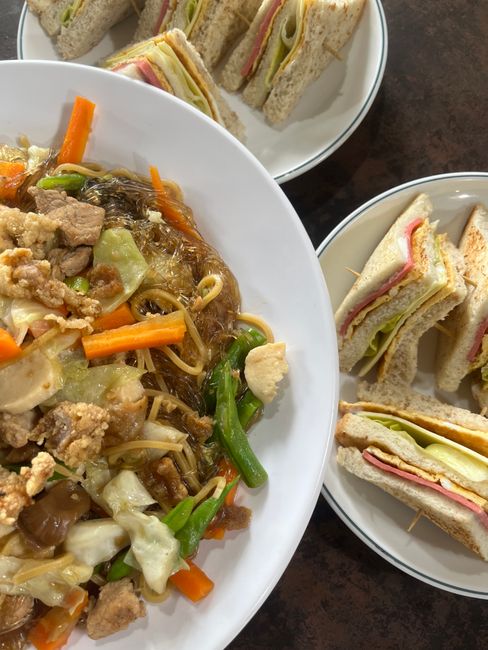
Guisado is the Spanish word for a stewed or braised dish, and in Mexican home cooking it refers to a whole category of saucy, slow-cooked preparations made by browning meat, poultry, or vegetables and then simmering them in a seasoned sauce, usually built from tomatoes, dried or fresh chiles, onion, and garlic. It's not one recipe but a technique and a style: guisado de res (beef), guisado de puerco (pork), rajas con crema, and papas con chorizo are all guisados. The Filipino use of the same borrowed Spanish term covers a related but distinct family of soy-vinegar and coconut-based stews.
Varieties
Mexican guisados are almost always tomato- and chile-based and simmered until the sauce thickens around the meat. Filipino guisado, by contrast, usually starts with sauteed garlic and onion (the ginisa technique the word comes from) and is finished with soy sauce, vinegar, or coconut milk rather than tomatoes and chiles, giving it a completely different flavor profile despite the shared name.
Buying tips
When buying guisado ready-made from a taqueria or Mexican grocery steam table, choose one that's been recently refilled rather than sitting under heat lamps for hours, since the meat can dry out and the sauce can break. Fresh guisado should look glossy and saucy, not dry or crusted at the edges.
Substitutes
Picadillo — 1:1
A finely chopped meat-and-vegetable stew that works as a filling wherever a shredded or chunky guisado would go, though it's drier and less saucy.
Tinga — 1:1
Shredded meat in a smoky chipotle-tomato sauce; a good substitute when the recipe calls for a beef or chicken guisado and you want more heat and smoke.
Birria — 1:1
A more heavily spiced, often goat- or beef-based stew; richer and more gelatinous than a typical everyday guisado, so it works best as a taco or torta filling rather than a side dish.
Chile colorado stew — 1:1
Made almost entirely from a dried red chile puree rather than tomatoes, giving a deeper, earthier flavor with less acidity.
Storage
Cooked guisado keeps in an airtight container in the refrigerator for 3 to 4 days. It freezes well for up to 3 months since the sauce base holds up to freezing better than dry-cooked meats; thaw overnight in the refrigerator and reheat gently on the stovetop with a splash of water or broth to loosen the sauce.
How to use
Serve guisado as a taco or torta filling, spooned over rice, wrapped in warm tortillas with pickled onions, or ladled over refried beans as part of a plate. Because the sauce is the main flavor carrier, guisado also reheats and holds well for meal prep across several days.
What it pairs with
Pairs naturally with warm corn tortillas, white rice, refried or charro beans, pickled jalapenos or red onions, and a squeeze of lime. A simple cabbage or lettuce salad with lime dressing cuts through the richness of a meat-heavy guisado.
Nutrition
Nutrition varies widely by protein and cut used. A beef or pork guisado is a good source of protein and iron, while the tomato-chile base contributes vitamin C and vitamin A; trimming visible fat from the meat before browning noticeably lowers the saturated fat content.
FAQ
What does the word guisado mean?
It comes from the Spanish verb guisar, meaning to stew or braise, so guisado literally means 'stewed' and describes the cooking method rather than a single dish.
Is guisado the same as mole?
No. Mole is a specific, often complex sauce built from a long list of ingredients including chiles, nuts, seeds, and sometimes chocolate, while guisado is a general term for any meat or vegetable simmered in a seasoned sauce, which can be far simpler.
How is guisado different from adobo?
Mexican adobo is defined by its chile-and-vinegar marinade or sauce, while guisado is a broader cooking style that can use tomato, chile, or other bases; a dish can technically be both, such as pollo adobado prepared as a guisado.
Can guisado be made without meat?
Yes. Rajas con crema (roasted poblano strips in cream), papas guisadas (potatoes in tomato-chile sauce), and mushroom or nopal guisados are common vegetarian versions using the same technique.
Have guisado on hand? Find recipes with our Recipe Generator →