
Italian Sausage
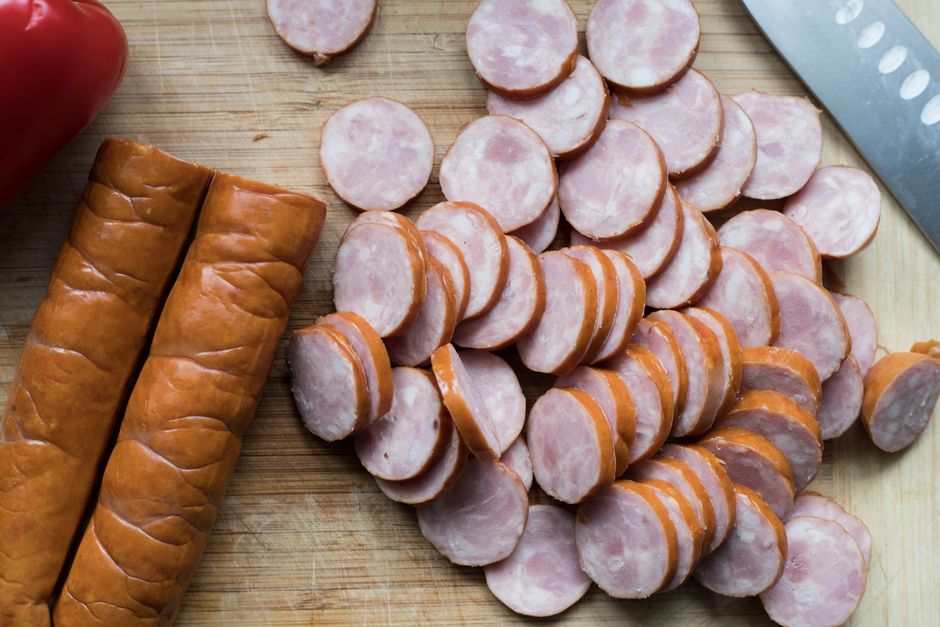
Italian sausage is fresh (uncured) pork sausage seasoned primarily with fennel seed or anise, garlic, and salt, sold either sweet (mild) or hot (with red pepper flakes or paprika added). It's sold raw in link form or in bulk, and is meant to be cooked before eating, unlike cured salami or pepperoni.
Varieties
Sweet Italian sausage contains no added heat, just fennel, garlic, and basil or parsley. Hot Italian sausage adds crushed red pepper flakes or paprika for spice. Some recipes also call for a third type sometimes labeled 'mild' or with added fennel seed for a stronger anise flavor; check the label rather than assuming based on color alone.
Buying tips
Check the ingredient label for fennel seed or anise, the flavor markers that separate Italian sausage from generic breakfast or bratwurst sausage. Fresh links should feel firm, not slimy, and the casing should be intact with no gray or dull discoloration.
Substitutes
Ground pork with fennel seed and garlic — 1 lb ground pork + 1 tsp fennel seed + 1 tsp garlic powder + 1/2 tsp paprika per 1 lb sausage
Closest DIY match when no sausage is available; crush the fennel seed lightly to release more flavor.
Chicken or turkey Italian sausage — 1:1
Leaner and slightly drier than pork; brown it in a bit of extra olive oil to avoid sticking.
Bratwurst — 1:1
Milder and less garlicky, with no fennel; works in pasta sauces but changes the flavor noticeably.
Fresh (raw) chorizo — 1:1
Similar fat content and coarse texture, but paprika and vinegar give a smokier, tangier result than Italian sausage.
Andouille — 1:1
Smokier and spicier; best in dishes that can handle a bolder, more assertive flavor like jambalaya-style pastas.
Storage
Store fresh Italian sausage in its original packaging in the coldest part of the refrigerator and use within 1-2 days of purchase, or freeze for up to 2 months. Once cooked, refrigerate leftovers in a sealed container and eat within 3-4 days.
How to use
Remove the casing and crumble it into pasta sauces, lasagna, and stuffed peppers, or cook links whole for sandwiches, on the grill, or sliced into sheet-pan dinners with peppers and onions. Brown it first in a dry skillet to render the fat before adding other ingredients.
What it pairs with
Pairs well with bell peppers, onions, fennel bulb, tomatoes, and white beans, and stands up to sharp cheeses like provolone or pecorino in sandwiches and baked pasta.
Nutrition
A typical 3-ounce cooked pork Italian sausage link has around 260-300 calories and 20-24 grams of fat, most of it saturated, so chicken or turkey versions are a lower-fat option when fat content matters.
FAQ
Do I need to remove the casing before cooking?
Only if the recipe calls for crumbled sausage, like in a pasta sauce or stuffing. For sandwiches or grilling, cook the links whole and leave the casing on.
What internal temperature should Italian sausage reach?
160°F (71°C) for pork, or 165°F (74°C) for chicken or turkey versions, checked with an instant-read thermometer at the thickest part of the link.
Can I use sweet and hot Italian sausage interchangeably in a recipe?
Yes, the swap only changes the spice level, not the texture or cook time, so use whichever heat level you prefer without adjusting the recipe.
Why did my sausage links split open while cooking?
Cooking over too high heat causes the casing to burn and split before the inside finishes cooking. Cook links over medium-low heat, turning occasionally, or parboil briefly before finishing on a grill.
Have italian sausage on hand? Find recipes with our Recipe Generator →