Liquid Smoke
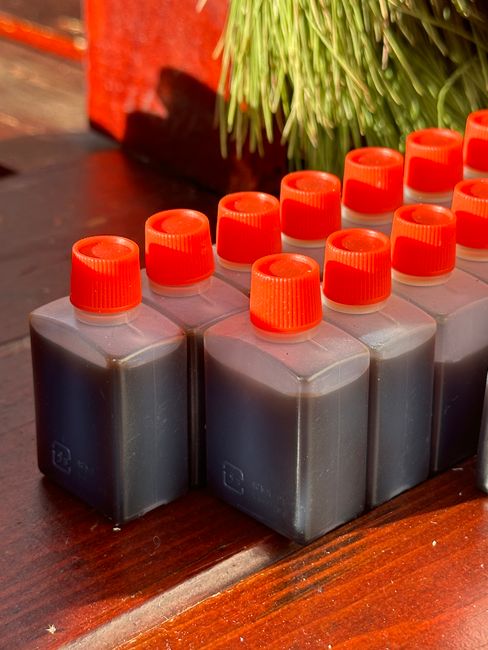
Liquid smoke is a concentrated flavoring made by condensing the smoke from burning wood chips (usually hickory, mesquite, or applewood) into a liquid, then filtering out the tar and carcinogenic particles. What's left is a thin, dark brown liquid that carries real smoke flavor without a grill, smoker, or hours of tending a fire. It's brewed, not synthetic, despite the name sounding like a lab creation.
Varieties
Wood type changes the character noticeably: hickory is the classic all-purpose barbecue flavor, mesquite is sharper and more assertive, applewood and cherry are milder and slightly sweet, and pecan sits between hickory and applewood in intensity.
Buying tips
Check the label for a short ingredient list, ideally just water and smoke concentrate. Some brands add molasses, vinegar, or caramel color, which changes both flavor and sweetness. Hickory is the most all-purpose flavor; mesquite is stronger and more bitter if overused.
Substitutes
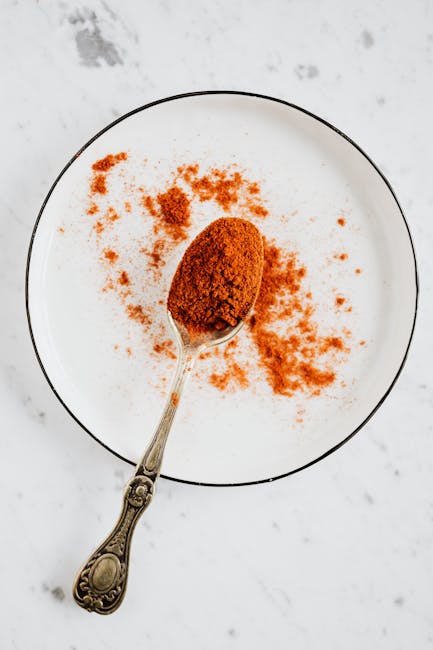
Smoked paprika — 1/2 teaspoon per 1/4 teaspoon liquid smoke
Adds smoky depth plus color and a mild pepper flavor; works best in rubs, chilis, and sauces rather than marinades.
Chipotle in adobo (minced or as sauce) — 1 teaspoon per 1/4 teaspoon liquid smoke
Brings smoke plus heat and acidity; good in beans, barbecue sauce, and braises where a little spice is welcome.
Smoked salt — 1/2 teaspoon per 1/4 teaspoon liquid smoke
Use in place of regular salt in the recipe, adjusting other salt down; best for rubs and finishing rather than long-simmered dishes.
Lapsang souchong tea (brewed strong) — 1 tablespoon per 1/4 teaspoon liquid smoke
The tea itself is smoke-dried, so a strong brew adds genuine smokiness to soups, braises, and marinades.
Actual smoked bacon or ham — to taste
Not a direct swap, but rendering a bit of smoked bacon fat into a dish before adding other ingredients gets close to the same effect.
Storage
Liquid smoke is shelf-stable and doesn't need refrigeration. Keep the bottle tightly capped in a cool, dark cabinet; it will keep for a couple of years and doesn't spoil in the way fresh ingredients do.
How to use
Use it in tiny amounts, a few drops to a quarter teaspoon per pound of food, in marinades, barbecue sauces, baked beans, chili, and vegetarian dishes like jackfruit or mushroom 'pulled pork' where there's no actual smoker involved. It's added early so it has time to mellow into the dish rather than sitting on top as a raw, sharp note.
What it pairs with
Works well with tomato-based barbecue sauces, black beans, brisket and pulled pork (real or plant-based), smoked cheese, and dishes built around molasses or brown sugar, which round out its slight bitterness.
Nutrition
Liquid smoke has essentially no calories, fat, or sugar at the doses used in cooking, since a full recipe typically calls for less than a teaspoon.
FAQ
Is liquid smoke bad for you?
Reputable brands filter out the tar and heavy compounds during condensation, leaving behind flavor compounds without the carcinogens associated with actual combustion smoke. Used in the small amounts a recipe calls for, it's not considered a health risk.
Why does my dish taste bitter or chemical after adding liquid smoke?
This almost always means too much was used. Because it's so concentrated, even doubling a small measurement like 1/4 teaspoon can push a dish into an ashy, artificial-tasting result. Start with a few drops and add more only after tasting.
Can liquid smoke replace actually smoking meat?
It replicates the flavor but not the texture, bark, or moisture loss that comes from hours in a smoker. It's best used to boost or fake smoke flavor in braises, sauces, and quick-cooked dishes, not as a full substitute for low-and-slow barbecue.
Does liquid smoke go bad?
It's very shelf-stable due to its low water activity and concentrated smoke compounds, and an unopened or properly capped bottle can last well beyond its printed date without noticeable flavor loss.
Have liquid smoke on hand? Find recipes with our Recipe Generator →