
Lupini Beans
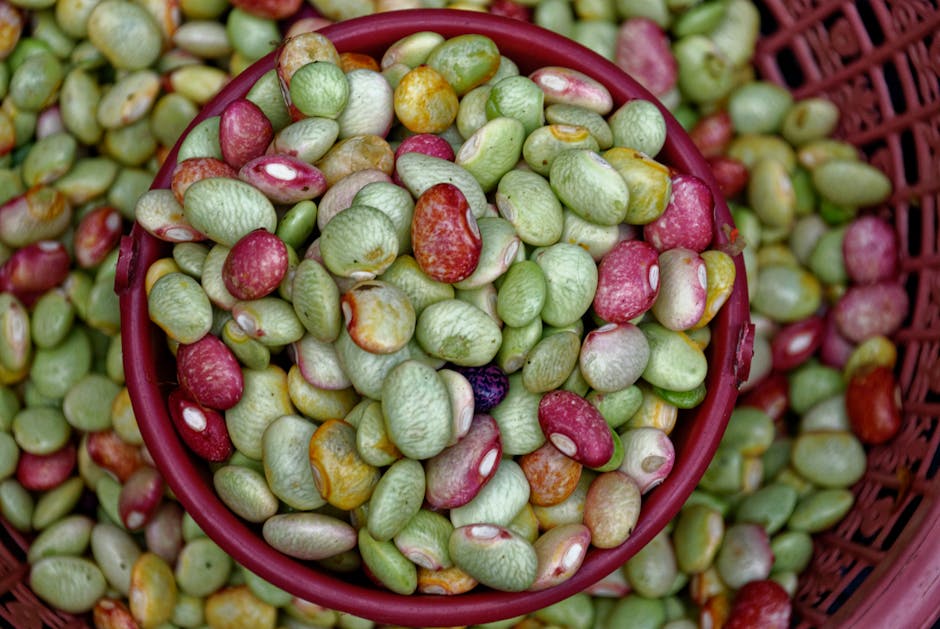
Lupini beans are the seeds of the lupin plant, a legume related to peas and chickpeas but distinct from the sweet peas or fava beans they're sometimes confused with. Raw lupini contain bitter, toxic alkaloids and must be soaked, cooked, and brined for days before they're safe to eat. The result is a firm, slightly chewy bean with a mild, salty, faintly nutty flavor, most often eaten as a snack straight from the jar after the outer skin is popped off.
Varieties
'Sweet' lupini varieties have been bred to contain far fewer bitter alkaloids and are what's sold commercially after brining. Bitter, wild-type lupini require much longer processing and are rarely sold outside regions where they're traditionally prepared at home.
Buying tips
Buy them already brined in jars or vacuum tubs from the international or deli aisle rather than attempting to debitter raw lupini at home, which requires days of daily water changes to leach out the toxic alkaloids safely. Check the label for 'sweet lupini' or 'debittered,' and avoid any jar with cloudy, foamy, or off-smelling brine.
Substitutes
Edamame (shelled, salted) — 1:1 by volume
Best swap for snacking out of hand; softer texture and greener, grassier flavor than lupini.
Cooked chickpeas, chilled and lightly salted — 1:1 by volume
Good stand-in in salads or grain bowls; softer and starchier, without the firm bite of lupini.
Cannellini or great northern beans — 1:1 by volume
Works in cooked dishes like stews or bean salads where lupini's snacking texture isn't the point.
Peeled cooked fava beans — 1:1 by volume
Closest flavor and texture match since both are debittered legume seeds with a similar mild bitterness underneath.
Storage
Store brined lupini beans in their liquid in a sealed container in the refrigerator for up to two weeks. Once opened, keep them fully submerged in brine and change the liquid every few days if it turns cloudy or develops a sour smell, since the beans can spoil faster than the salt content suggests.
How to use
Pop the beans out of their skins and eat them as a snack with a squeeze of lemon, toss peeled beans into salads and grain bowls, or blend them into a hummus-style dip. They're rarely cooked further since the jarred versions are already fully cooked; they're mostly reheated or served cold.
What it pairs with
Pairs well with lemon, olive oil, chili flakes, and briny foods like olives and feta. Works alongside cured meats and pickled vegetables on an antipasto board, and complements citrus-forward salads.
Nutrition
Lupini beans are unusually high in protein and fiber for a legume, with roughly 15-17 grams of protein per cup, and notably low in net carbohydrates compared to chickpeas or fava beans, which is why they've become popular as a low-carb bean alternative.
FAQ
Why do lupini beans need to be soaked before eating?
Raw lupini contain quinolizidine alkaloids that are bitter and toxic in quantity. Commercial processing soaks and rinses the cooked beans in salted water over several days to leach these compounds out to safe levels.
Do you eat the skin on lupini beans?
Most people squeeze the bean between two fingers to pop the inner seed out and discard the tough, slightly bitter outer skin, similar to eating edamame.
Are lupini beans safe if you have a peanut allergy?
Not necessarily. Lupin is a legume with known cross-reactivity in people allergic to peanuts, and lupin flour is a labeled allergen in the EU. Anyone with a peanut or legume allergy should check with a doctor before eating them.
How long do lupini beans last once opened?
About one to two weeks refrigerated in their brine, provided the beans stay fully submerged and the liquid is refreshed if it starts to look cloudy or smell sour.
Have lupini beans on hand? Find recipes with our Recipe Generator →