
Merkén
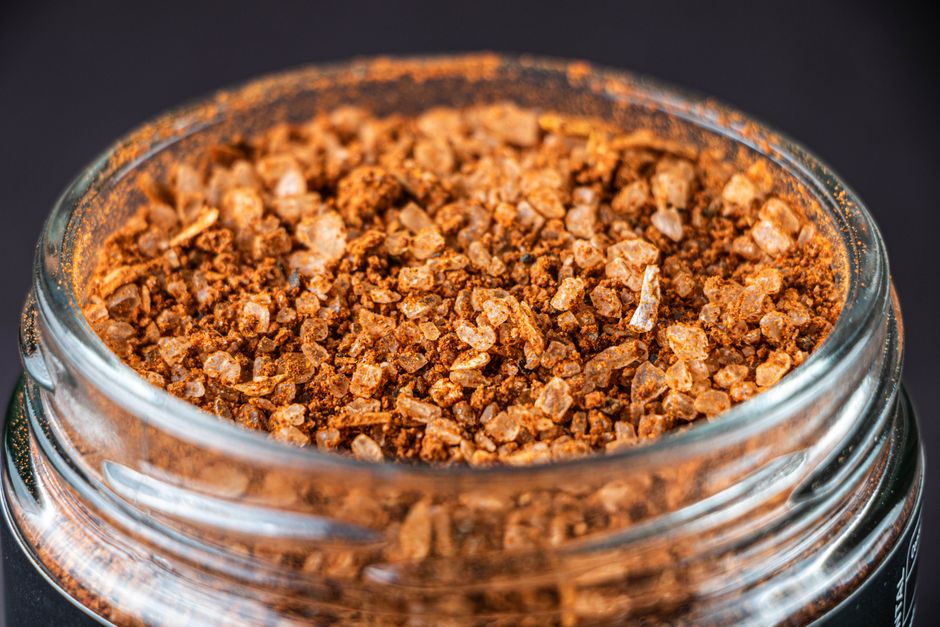
Merkén is a smoked chili spice blend from the Mapuche people of southern Chile's Araucanía region, and it's one of the defining flavors of Chilean cuisine. It's made from cacho de cabra chilies that are smoke-dried over a wood fire for days, then ground with toasted coriander seed and salt. The result is a coarse, brick-red powder that tastes smoky and earthy before the heat builds, distinct from plain chili powder or paprika because of the wood smoke and coriander.
Varieties
Don't confuse merkén with ají de color (also called color), a milder, unsmoked ground red pepper used mainly to tint Chilean dishes rather than add heat or smoke. Merkén always includes toasted coriander seed and real wood smoke; ají de color does not.
Buying tips
Look for a deep, brick-red to reddish-brown color and a strong smoky aroma when you open the jar. Pale or dusty-looking merkén has likely faded on a shelf too long. Chilean grocers or South American specialty importers carry the most authentic versions; some are labeled by heat level, from suave to picante.
Substitutes
Homemade blend: smoked paprika, cayenne, and toasted ground coriander — 1:1
Mix 2 parts smoked paprika, 1 part cayenne, and 1 part toasted ground coriander seed. Closest flavor match since it reproduces the smoke and coriander notes directly.
Chipotle powder — 3/4 teaspoon per 1 teaspoon merkén
Already smoked and chili-forward, but lacks the coriander note and is hotter, so use slightly less.
Aleppo pepper flakes with a pinch of smoked paprika — 1:1
Aleppo pepper gives a similar moderate heat and fruity undertone; the smoked paprika fills in for the missing wood-smoke character.
Storage
Store in a sealed jar away from direct light and heat. Ground merkén holds its smoky punch for about 6 months and stays usable, though fading, up to a year. Whole dried cacho de cabra chilies keep far longer and can be ground fresh as needed.
How to use
Stirred into pebre (the tomato, onion, and cilantro condiment served with bread), rubbed onto meat before asado, added to cazuela and stews for depth, mixed into empanada fillings, and sprinkled over popcorn, eggs, or avocado for a smoky kick.
What it pairs with
Works naturally with olive oil, garlic, lime, and cilantro in pebre, and with grilled beef, chorizo, and shellfish like machas (razor clams) in Chilean coastal cooking. Also good with roasted potatoes and fried eggs.
Nutrition
Used in small pinches, merkén contributes negligible calories to a dish but carries capsaicin from the chili and some vitamin A. Its main role is flavor, not nutrition.
FAQ
What does merkén taste like?
Smoky and earthy first, with a moderate, building heat and a slightly nutty note from the toasted coriander seed, milder than cayenne but more complex than smoked paprika alone.
Is merkén the same as smoked paprika?
No. Smoked paprika is made from sweet or hot peppers smoked over oak and ground alone, while merkén uses a specific chili (cacho de cabra) and always includes ground coriander seed, giving it a more herbal, spicier profile.
Why does pebre need merkén?
Traditional Chilean pebre relies on merkén for its smoky backbone; without it the condiment tastes flat and closer to a plain pico de gallo rather than the version served at Chilean asados.
Can merkén replace chili powder in non-Chilean recipes?
Yes, but start with about half the amount called for, since merkén's smoke is more pronounced than most commercial chili powders and can dominate a dish quickly.
Have merkén on hand? Find recipes with our Recipe Generator →