
Mexican Drinks
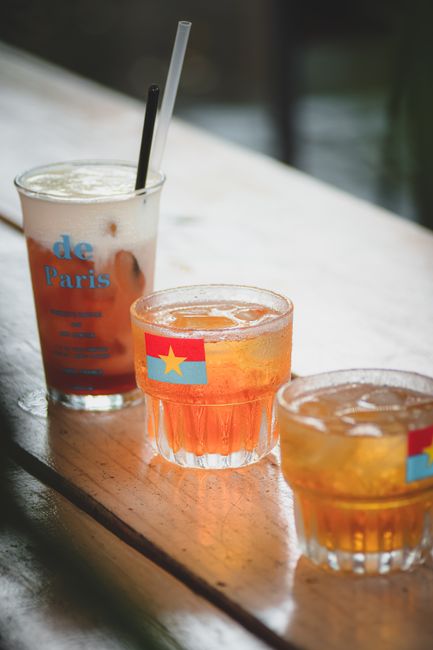
"Mexican drinks" covers a lot of ground: milky rice-based horchata, tart hibiscus agua de jamaica, fermented pineapple tepache, corn-thickened atole, and the spirits and cocktails built around tequila and mezcal. Recipes calling for "Mexican drinks" as an ingredient category usually mean one of a short list of building blocks: tequila or mezcal, Mexican-style Coca-Cola (made with cane sugar), piloncillo (unrefined cane sugar cones), tamarind pulp, canela (true Mexican cinnamon), dried hibiscus flowers, and Mexican chocolate tablets. Knowing what each one actually contributes makes it easier to substitute when a specific bottle or ingredient isn't on hand.
Varieties
Tequila must legally be made from blue agave grown in specific Mexican states and is typically column-distilled for a cleaner flavor; mezcal can be made from dozens of agave varieties and is traditionally roasted in earthen pits, giving it a smokier profile. Canela (Ceylon cinnamon) is softer, sweeter, and more expensive than the cassia cinnamon most commonly sold in North American grocery stores as plain "cinnamon."
Buying tips
For tequila, look for labels marked "100% agave" rather than "mixto," which is cut with other sugars and tends to cause worse hangovers. Piloncillo is sold in cones ranging from light golden to dark, almost black; darker cones have a stronger molasses flavor. True canela has a thin, brittle, multi-layered bark that crumbles easily, unlike the hard, single-curl sticks of cassia sold as generic "cinnamon." Dried hibiscus flowers should be a deep maroon color without a lot of stem or dust in the bag.
Substitutes
Mezcal (in place of tequila) — 1:1
Both are agave spirits, but mezcal carries a smokier, earthier flavor from the roasting process. Works in margaritas and palomas but changes the character.
Regular Coca-Cola plus a pinch of sugar (in place of Mexican Coca-Cola) — 1 cup regular Coke + 1/2 teaspoon sugar
Mexican Coke is made with cane sugar instead of high-fructose corn syrup, giving it a cleaner, less syrupy sweetness. The extra sugar approximates the flavor but not the texture.
Dark brown sugar (in place of piloncillo) — 1:1 by weight
Piloncillo is unrefined and has a deeper, almost smoky molasses flavor. Dark brown sugar is the closest common substitute, though it dissolves faster and tastes milder.
Lime juice and brown sugar (in place of tamarind pulp) — 1 tablespoon lime juice + 1 tablespoon brown sugar per 2 tablespoons tamarind concentrate
Approximates tamarind's sweet-sour profile but lacks its fruity depth. Best in aguas frescas and marinades, not in dishes where tamarind is the dominant flavor.
Cassia cinnamon (in place of canela) — 1:1
Cassia is harder, more assertive, and slightly bitter compared to canela's soft, papery bark and sweeter flavor. Use slightly less if the drink is meant to stay delicate, like atole.
Hibiscus tea bags (in place of loose dried jamaica flowers) — 1 tea bag per 1 tablespoon dried flowers
Steeping time is shorter with tea bags since the hibiscus is already broken down; taste before adding sugar since concentration varies by brand.
Dark chocolate, cinnamon, and sugar (in place of Mexican chocolate tablets) — 1 oz dark chocolate + 1/4 teaspoon cinnamon + 1 teaspoon sugar per 1 oz Mexican chocolate tablet
Mexican chocolate tablets like Abuelita or Ibarra are gritty and lightly spiced rather than smooth, so this mix won't fully replicate the texture but works for hot chocolate and champurrado.
Storage
Piloncillo cones keep for a year or more in a sealed container away from humidity, which softens them. Dried hibiscus flowers and canela sticks stay potent for about a year in an airtight jar out of direct light. Tamarind pulp and concentrate keep for months refrigerated once opened. Tequila and mezcal don't spoil once opened but slowly lose aromatic intensity over a year or two, so reseal bottles tightly.
How to use
Horchata is built on soaked rice (or rice plus almonds) blended with canela and sweetened, then strained. Agua de jamaica steeps dried hibiscus flowers in hot water, then gets strained, sweetened, and served cold. Atole and champurrado use masa harina or Mexican chocolate to thicken and flavor a hot milk-based drink. Tepache ferments pineapple rinds with piloncillo over a few days at room temperature. Margaritas and palomas use tequila as the base spirit with lime and either orange liqueur or grapefruit soda. Café de olla brews coffee with piloncillo and canela directly in the pot.
What it pairs with
Horchata and other sweet, milky drinks balance spicy dishes like tacos al pastor or anything with a chile-heavy salsa. Micheladas and palomas pair well with fried or grilled seafood. Café de olla is traditionally served alongside pan dulce like conchas. Mezcal's smokiness pairs naturally with grilled meats and citrus-forward ceviche.
Nutrition
Aguas frescas like jamaica are low in calories before sugar is added but often served heavily sweetened; horchata and atole are higher in calories and carbohydrates because of the rice, milk, or masa base. Cocktails add alcohol calories on top of any sugar from mixers like grenadine or soda.
FAQ
What's the difference between an agua fresca and a soda?
Aguas frescas are made by blending or steeping fresh fruit, flowers, or grains (like hibiscus, tamarind, or rice) with water and sugar, with no carbonation, and are typically much less sweet than commercial soda.
Is pulque the same as mezcal?
No. Pulque is a fermented, unfilled agave sap drink with a milky texture and low alcohol content (around 4-6%), while mezcal is distilled from cooked agave and much stronger (usually 40-50% ABV).
Can horchata be made without rice?
Traditional Mexican horchata is rice-based, but some regional versions substitute or add ground almonds or melon seeds; the rice version is by far the most common outside of specific regional recipes.
Does Mexican Coca-Cola actually taste different from regular Coke?
Yes. Mexican Coca-Cola is sweetened with cane sugar instead of high-fructose corn syrup, giving it a slightly less syrupy sweetness and a subtly different mouthfeel, which is why it has a cult following in the U.S.
What alcohol percentage is a typical margarita?
A standard margarita made with 2 ounces of 40% ABV tequila, lime juice, and orange liqueur usually lands around 15-20% ABV per serving, depending on how much mixer dilutes it.
Have mexican drinks on hand? Find recipes with our Recipe Generator →