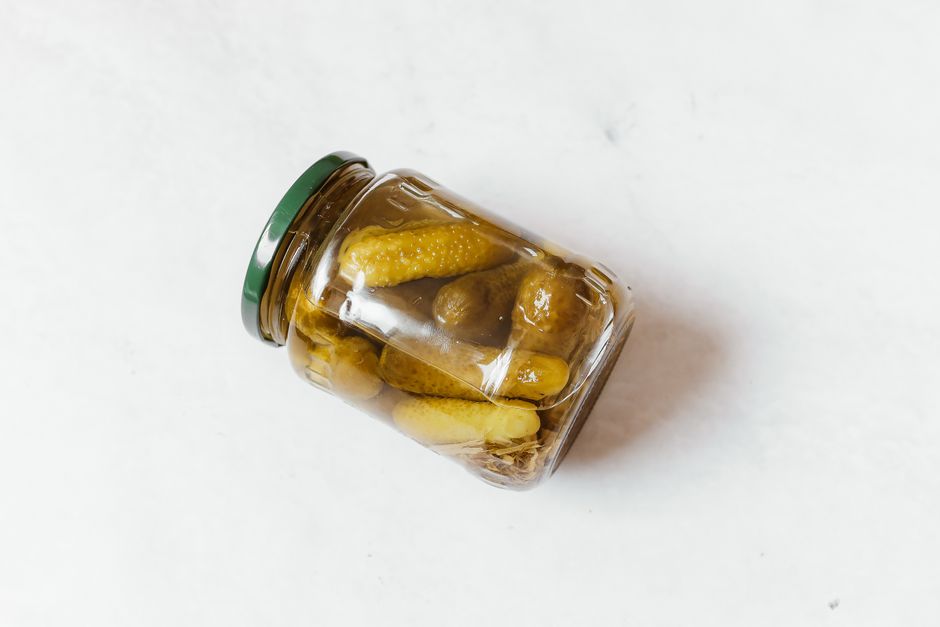
Mustard Seed
Mustard seed is the small round seed of the mustard plant (Brassica species), sold whole in yellow, brown, or black varieties. The seeds themselves have almost no smell until crushed or wetted, at which point enzymes release their sharp, pungent heat. Whole seeds are used mostly for their texture and the burst of flavor they release when cooked in hot oil or steeped in vinegar, rather than as a background seasoning.
Varieties
Yellow (white) mustard seed is the mildest and is what's used in American-style prepared mustard and most pickling brines. Brown mustard seed is more pungent and is the standard choice for Indian tempering and Dijon-style mustard. Black mustard seed is the sharpest and most aromatic of the three but is harder to find outside Indian and South Asian grocers.
Buying tips
Buy whole seeds rather than pre-ground when possible, since whole seeds hold their pungency far longer. Check bulk bin seeds for a uniform color and no musty smell, which signals age or moisture damage.
Substitutes
Ground mustard powder (dry mustard) — 1:1 by volume
Works in pickling brines and dressings where the seed would dissolve or steep anyway, but it disperses into the liquid instead of staying whole, so texture is lost.
Prepared yellow mustard — 1 tbsp prepared mustard per 1 tsp whole seed
Adds vinegar tang and moisture along with the mustard flavor, so cut back other acid in the recipe slightly.
Nigella seeds (kalonji) — 1:1
Common swap in Indian tempering (tadka) when mustard seed isn't on hand; the pop-in-hot-oil technique is the same but the flavor is oniony and slightly bitter rather than pungent.
Celery seed — 1:1
Good for pickling brines where a small aromatic seed is expected; flavor is savory and celery-forward rather than sharp, so it changes the character of the pickle.
Prepared horseradish — start with 1 tsp per 1 tsp seed and adjust to taste
Useful only in sauces and dressings for pungent heat; it won't hold shape or pop like a whole seed, so it's not a fit for pickling or tempering.
Storage
Whole mustard seeds keep well for 2 to 3 years in an airtight container in a cool, dark cupboard since the outer hull protects the pungent compounds inside. Ground mustard powder loses potency faster and is best used within about a year.
How to use
Whole seeds are essential in pickling brines and relishes, where they steep in hot vinegar and stay crunchy in the jar. In Indian cooking, mustard seeds are tempered (tadka): dropped into hot oil or ghee until they pop and turn fragrant, then used as a base for dals, chutneys, and vegetable dishes. They also show up whole in sausage and charcuterie spice mixes, and ground into a paste with vinegar or wine to make prepared mustard.
What it pairs with
Pairs naturally with vinegar and cabbage in pickles and slaws, with pork and sausage in charcuterie spice blends, and with cumin, coriander, and curry leaves in South Asian tempering.
Nutrition
Mustard seeds contain selenium, magnesium, and small amounts of omega-3 fatty acids, but they're used in such small quantities per dish that their nutritional contribution is minor.
FAQ
What's the difference between yellow, brown, and black mustard seed?
Yellow seeds are mildest and used in classic yellow mustard and most pickling recipes. Brown seeds are hotter and more aromatic, favored in Dijon mustard and Indian cooking. Black seeds are the most pungent and least common, used mainly in South Asian tempering.
Can I use mustard powder instead of mustard seed in pickling?
Yes, in a 1:1 volume swap for flavor, but the powder dissolves into the brine instead of staying whole in the jar, so the pickle loses the visual texture and occasional pop of biting into a seed.
How do you use mustard seed in Indian cooking?
Heat a small amount of oil or ghee until shimmering, add whole mustard seeds, and cover briefly since they pop and can splatter. Once the popping slows after a few seconds, add other tempering spices and aromatics before pouring over the finished dish.
Do mustard seeds go bad?
They don't spoil in the way fresh food does, but they lose pungency and aroma over time. Seeds past three years will still be safe but taste noticeably flatter and pop less aggressively in hot oil.
Have mustard seed on hand? Find recipes with our Recipe Generator →