Celery Seed
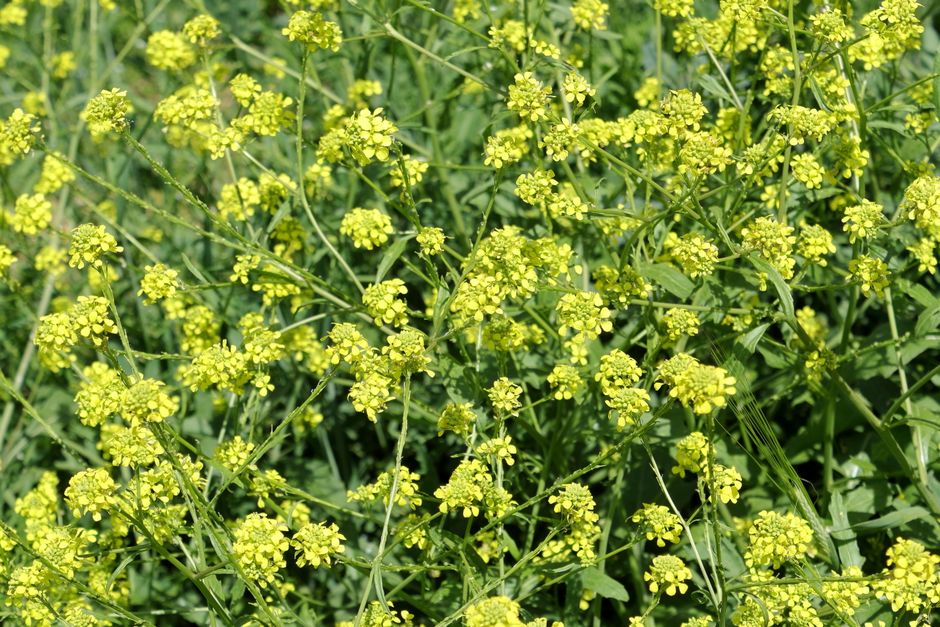
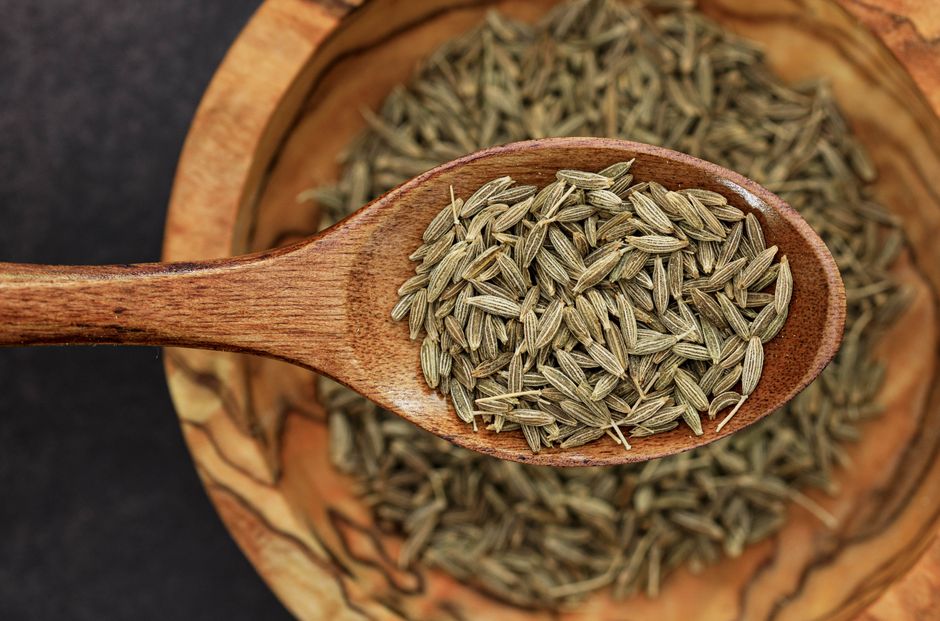
Celery seed is the dried fruit of the wild celery plant (Apium graveolens), a different, more bitter cousin of the celery grown for its stalks. The seeds are tiny, tan to dark brown, and carry a concentrated, slightly bitter, warm celery flavor with grassy and faintly peppery undertones. A little goes a long way, and it's used whole or ground in pickling brines, coleslaw dressings, Bloody Mary mix, and spice blends like celery salt and Old Bay.
Varieties
Celery seed comes from wild celery (smallage), not the stalk celery sold in produce aisles; stalk celery rarely produces usable seed. Lovage seed is a close botanical relative with a very similar flavor and can be used interchangeably in most recipes.
Buying tips
Buy from a spice retailer with good turnover rather than a bulk bin that's been sitting for a long time; the seeds should smell distinctly like celery, not dusty or flat. Whole seed keeps longer and tastes fresher than pre-ground.
Substitutes
Celery salt — 3:1 (use a third as much, and cut other salt in the recipe)
Celery salt is ground celery seed mixed with table salt, so it adds sodium along with the flavor; reduce added salt elsewhere to compensate.
Fresh celery leaves or stalk, finely minced — 2 tablespoons minced per 1/2 teaspoon seed
Milder and greener, without the bitter concentrated edge; best in dressings and soups where texture isn't an issue.
Dill seed — 1:1
Different flavor profile (more tangy, less bitter) but similar size and crunch, useful in pickling brines specifically.
Celery salt substitute: lovage seed — 1:1
Lovage is closely related and tastes very similar, though it's harder to find than celery seed itself.
Storage
Store whole celery seed in a sealed jar in a cool, dark cabinet, away from heat and light. It keeps its potency for about 2 to 3 years whole, but loses aroma faster once ground, so grind only what's needed with a mortar and pestle or spice grinder.
How to use
Toast whole seeds briefly in a dry pan before adding to dressings or brines to wake up the essential oils. Common in pickling spice blends, coleslaw and potato salad dressings, deviled egg filling, tomato-based drinks and soups, and homemade celery salt (mix ground seed with kosher salt at about a 1:3 ratio). Because the seeds are small and hard, they aren't meant to be chewed whole in large amounts; grinding is common for dressings and rubs.
What it pairs with
Pairs well with vinegar-based dressings, mustard, dill, black pepper, and tomato. Common in coleslaw, egg salad, pickled vegetables, and Bloody Mary or bloody Caesar mixes.
Nutrition
Used in small quantities, celery seed contributes minimal calories but is a concentrated source of trace minerals like iron and manganese relative to its weight; it's not eaten in amounts large enough to matter nutritionally on its own.
FAQ
Is celery seed the same as celery salt?
No. Celery salt is celery seed ground and mixed with table salt, typically at about a 1:3 seed-to-salt ratio. If a recipe calls for celery seed and you only have celery salt, cut back on other added salt.
Can celery seed replace fresh celery in a recipe?
Not fully. It adds concentrated celery flavor but none of the crunch or moisture fresh celery provides, so it works best as a flavor boost alongside fresh celery, not a full swap in soups or stews that rely on texture.
Why does celery seed taste more bitter than celery stalks?
It comes from a different, wilder variety of the plant bred for seed production rather than the mild, water-rich stalks bred for eating raw, so the flavor compounds are far more concentrated and slightly bitter.
How much celery seed is too much in a recipe?
More than about 1 teaspoon per 4 servings tends to turn bitter and medicinal rather than savory; most recipes use 1/4 to 1/2 teaspoon for a batch of dressing or a pot of soup.
Have celery seed on hand? Find recipes with our Recipe Generator →
Recipes using celery seed
Celery Salad with Celery Seed Dressing
Candied Jalapeños (Cowboy Candy) Recipe
Homemade Seafood Boil Seasoning Recipe
Homemade Onion Soup Mix Recipe

Mayonnaise Coleslaw Dressing Recipe