
Nacho Fries
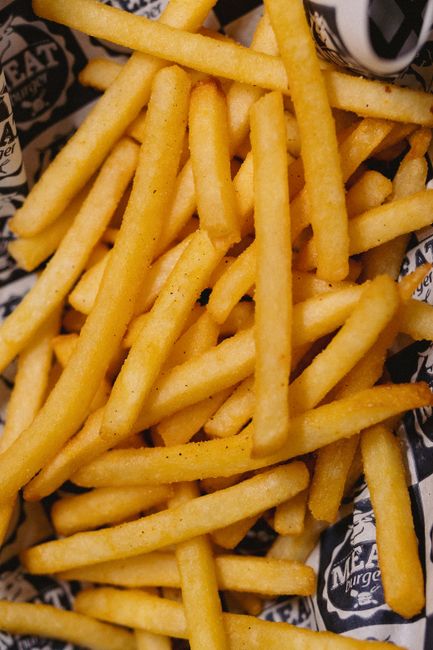
Nacho fries are crinkle-cut or straight-cut potato fries tossed in a bold, slightly spicy seasoning blend (chili powder, paprika, garlic and onion powder, and salt) and typically served loaded with warm nacho cheese sauce and toppings like pico de gallo, sour cream, or jalapenos. The style was popularized by Taco Bell's limited-run menu item, but the basic technique, seasoned fries plus cheese sauce, predates and extends well beyond that specific product, showing up on bar menus and as a homemade snack.
Varieties
Taco Bell's original version used a specific proprietary seasoning and a warm nacho cheese sauce sold separately as a dip; most homemade and restaurant copies substitute a chili powder, smoked paprika, and garlic powder blend with a store-bought or homemade queso, which gets close without needing the exact commercial formula.
Buying tips
For homemade versions, choose a starchy potato like Russet for a fluffier interior and crisper edge, and cut fries a uniform 1/4 to 1/3 inch thick so they cook evenly. If buying frozen, crinkle-cut varieties hold seasoning better than shoestring cuts because of their added surface area.
Substitutes
Frozen crinkle-cut fries + seasoning blend — 1:1 by weight, toss after baking
Bake according to package directions, then toss immediately with the chili-lime seasoning while hot so it sticks.
Tater tots — 1:1 by weight
Holds nacho cheese and toppings in the crevices better than straight fries; needs the same seasoning toss after baking.
Waffle fries — 1:1 by weight
The grid shape traps more cheese sauce per bite, making it a sturdier base for heavy toppings.
Tortilla chips — Use in place of the fries entirely, same total weight
Turns the dish into classic nachos rather than nacho fries; skip the fry seasoning since chips are already salted.
Sweet potato fries — 1:1 by weight
Sweetness plays against the chili seasoning well, but they release more moisture, so bake slightly longer for crispness.
Storage
Plain seasoned fries (without cheese or toppings) keep in an airtight container in the refrigerator for up to 3 days. Once topped with cheese sauce and fresh toppings, they don't hold well and should be eaten the same day; the fries turn soggy within an hour of loading.
How to use
Serve as a shareable appetizer topped with warm nacho cheese sauce, pico de gallo, sour cream, and jalapenos, or use the seasoned fries plain as a side for tacos, burgers, or grilled chicken. The seasoning blend also works dry-tossed on roasted vegetables.
What it pairs with
Pairs well with a squeeze of lime, cool sour cream or Mexican crema to offset the chili heat, and a cold lager or margarita. Works alongside grilled meats or as part of a taco-night spread.
Nutrition
A loaded serving is calorie-dense from the fried potato, cheese sauce, and often bacon or sour cream toppings; plain seasoned baked fries without toppings are considerably lighter and still deliver potassium and vitamin C from the potato.
FAQ
What gives nacho fries their signature flavor?
The seasoning blend is the key: a mix heavy on chili powder and smoked paprika with garlic powder, onion powder, and salt, tossed onto the fries while they're still hot from the oven or fryer so it adheres.
Can nacho fries be made in an air fryer?
Yes. Cook fresh-cut or frozen fries at 400°F for about 15-18 minutes, shaking the basket halfway through, then toss with seasoning immediately after cooking.
Why do my nacho fries get soggy under the cheese?
Cheese sauce and toppings release moisture on contact with hot fries. Serve the cheese sauce on the side or ladle it on just before serving rather than letting the dish sit assembled.
Can I make the seasoning ahead of time?
Yes, the dry seasoning blend keeps for months in a sealed jar at room temperature, so it's worth mixing a larger batch to have on hand for fries or roasted vegetables.
Have nacho fries on hand? Find recipes with our Recipe Generator →