
Negi
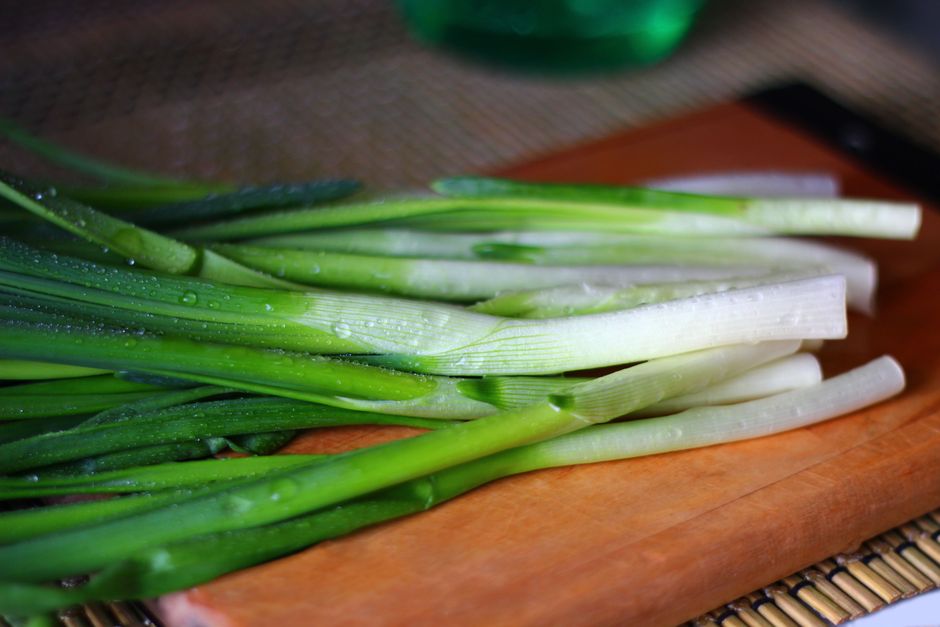
Negi (Allium fistulosum) is the Japanese long onion, also called Welsh onion or bunching onion, though it's neither Welsh nor a true onion bulb. It grows as a straight stalk with a thick white base and hollow green tops, and is a staple aromatic in Japanese cooking, distinct from both scallions and leeks even though it sits between them in size and flavor. The white part is sharp and pungent when raw, mellowing into a sweet, silky texture when cooked; the green part is milder and slightly grassy, often used as a garnish or in stocks.
Varieties
Negi covers a few distinct types sold in Japanese markets: naganegi (or shiro negi), the thick white-based variety grown for its blanched stalk and most common in the West; ao negi (or kujo negi), a thinner, all-green Kansai-region type eaten mostly for its greens; and wakegi, a smaller bunching scallion-like variety used raw. Recipes calling simply for 'negi' in Japan usually mean naganegi unless otherwise specified.
Buying tips
Choose stalks that are firm and straight with a crisp, unblemished white base; avoid any with slimy green tips or a soft, hollow feel near the root end, which signals age. Thicker stalks (often labeled naganegi) are better for grilling, while thinner bunching varieties suit garnishing.
Substitutes
Leeks (white and light green part) — 1:1 by length
Closest match for the thick white base used in nabe, sukiyaki, or yakitori negima; leeks are milder and less sharp raw, so they work best cooked.
Scallions (green onions), several stalks bundled — 2-3 scallions per 1 negi stalk
Good stand-in for the green tops as a garnish or in soups; use 2-3 scallions to match the volume of one thick negi stalk since scallions are thinner.
Shallot, thinly sliced — 1 small shallot per 1 negi stalk (white part only)
Works for a raw, punchy garnish over cold tofu or noodles, but lacks the fibrous texture negi has when grilled.
Young leek or spring onion (large scallion) — 1:1
If available, these split the difference between scallion and leek and are the closest all-around substitute in both flavor and cooking behavior.
Storage
Wrap unwashed negi loosely in a damp paper towel or newspaper and refrigerate in the crisper drawer, where it keeps for about 10 days. It can also be stood upright in a jar with an inch of water, covered loosely with a bag, and refrigerated for a similar span. For longer storage, slice and freeze in a sealed bag for up to two months, though the texture softens and it's best reserved for soups and stocks after freezing.
How to use
The white part is grilled whole for yakitori negima (skewered with chicken thigh), simmered in nabe hot pots and sukiyaki, or braised until sweet and glassy. The green part is sliced thin and scattered raw over ramen, miso soup, and grilled fish, or simmered briefly in dashi. Whole stalks also go into stocks for their sweetness and are strained out before serving.
What it pairs with
Pairs naturally with soy sauce, miso, sake, and mirin, and with pork belly, chicken thigh, beef, and silken tofu. It's a common partner to ginger and garlic in stir-fries and to dashi-based broths in soups and hot pots.
Nutrition
Negi is a modest source of vitamin C and vitamin K, and like other alliums contains sulfur compounds (allicin-related) that are diminished by cooking but contribute a mild antibacterial effect when eaten raw.
FAQ
Is negi the same as a scallion?
No. Negi stalks are thicker and longer, with a more pronounced white base that's grown blanched underground, while scallions are thinner throughout with little to no white bulb development.
Is negi a type of onion or a leek?
Neither exactly. Negi is Allium fistulosum, a separate species from both the bulb onion (Allium cepa) and leek (Allium ampeloprasum), though it's related to and often grouped with leeks and scallions in Western recipes.
Can negi be eaten raw?
Yes, especially the green tops or thinly sliced white part, which are common raw garnishes on ramen, cold tofu, and grilled meats; the raw white base has a sharper bite than cooked negi.
Why do negi recipes separate the white and green parts?
The white part holds up to grilling and long simmering and turns sweet with heat, while the green part cooks quickly and is added at the end or used raw to avoid becoming limp and bitter.