Sake
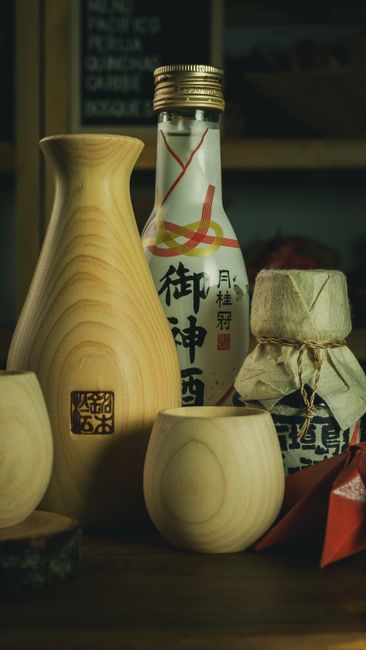
Sake is a Japanese alcoholic beverage brewed from fermented rice, water, koji mold, and yeast. In cooking, it's used less as a beverage and more as a flavor base: it tenderizes proteins, cuts fishy or gamey odors, and adds a subtle sweetness and umami depth to marinades, glazes, simmered dishes, and stir-fries. Cooking sake is typically a drier, less refined style than sipping sake, though either works in the kitchen.
Varieties
Cooking sake (ryorishu) is salted and not meant for drinking, while regular sake meant for sipping (junmai, ginjo, daiginjo) has no added salt and can be used interchangeably in recipes if you reduce added salt slightly elsewhere.
Buying tips
Cooking sake (labeled ryorishu) often has added salt to make it non-drinkable for tax reasons in Japan; check the label if you want to control sodium separately. A mid-range junmai sake from the beverage aisle works well too and tastes cleaner in delicate dishes.
Substitutes
Dry sherry — 1:1
The closest substitute in both flavor and function; widely available and holds up well in braises and marinades.
Mirin plus water — 3 parts water to 1 part mirin, replacing the sake amount
Mirin is sweeter and lower in alcohol than sake, so diluting it prevents dishes from turning cloying; reduce added sugar elsewhere in the recipe slightly.
Dry white wine — 1:1
Less traditional but works fine in glazes and pan sauces where a light acidity is welcome.
Chicken or vegetable broth with a splash of rice vinegar — 1:1, plus 1/2 teaspoon rice vinegar per 1/4 cup broth
Non-alcoholic option; lacks sake's depth but restores some of the acidity and moisture it would have added.
Water — 1:1
Last-resort substitute for small amounts in a marinade; the dish will lose sweetness and tenderizing effect.
Storage
Once opened, keep sake tightly capped and refrigerated. It stays usable for cooking for up to 1 to 2 months, though the flavor gradually flattens. Unopened cooking sake keeps well in a cool, dark pantry for a year or more since its alcohol content prevents spoilage.
How to use
Used in teriyaki and other glazes, added to simmering broths for dishes like nimono and oden, brushed onto grilled fish, and splashed into stir-fries to deglaze the pan and mellow strong odors from meat or seafood. A quick sake marinade (even just 15 to 20 minutes) noticeably tenderizes chicken and firm fish before cooking.
What it pairs with
Pairs naturally with soy sauce, mirin, and ginger in Japanese-style braises and glazes, and complements miso, dashi, and grilled fish or chicken.
Nutrition
Sake contains roughly 15 to 17 percent alcohol by volume, though most of it cooks off during simmering or grilling, leaving behind flavor rather than significant alcohol content. It has no fat and only trace carbohydrates once reduced.
FAQ
Does the alcohol in sake fully cook off?
Not entirely. Short simmers or quick stir-fries leave behind 10 to 15 percent of the original alcohol; a long braise of an hour or more reduces it to around 5 percent or less.
Can I use sake instead of mirin?
Yes, but add a small amount of sugar since sake lacks mirin's built-in sweetness; start with about 1/2 teaspoon sugar per tablespoon of sake substituted.
Is cooking sake safe for someone avoiding alcohol entirely?
No, raw or lightly cooked sake still contains meaningful alcohol; for a fully alcohol-free dish, use the broth and rice vinegar substitute instead.
What's the difference between sake and rice vinegar in recipes?
They serve different roles: sake adds sweetness, umami, and tenderizing alcohol, while rice vinegar adds sharp acidity with no sweetness or alcohol, so they aren't interchangeable.
Have sake on hand? Find recipes with our Recipe Generator →