
Nigiri
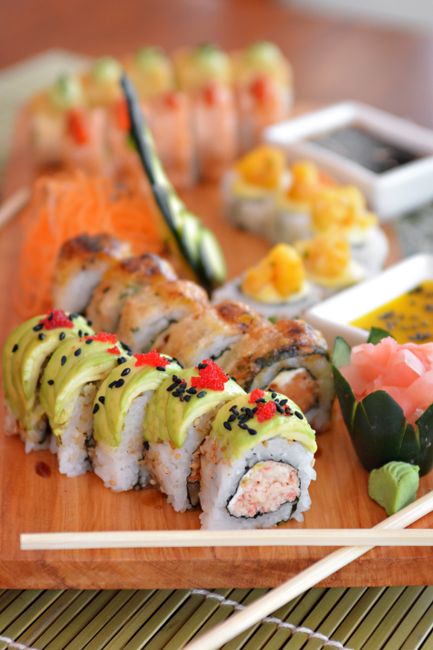
Nigiri is a style of sushi made by hand-pressing a small mound of vinegared rice (shari) into an oval shape and topping it with a single slice of raw or cooked fish, seafood, or occasionally egg or vegetable. A thin smear of wasabi usually sits between the rice and the topping, and some pieces are tied with a strip of nori to hold looser toppings in place. Unlike a roll, nigiri has no seaweed wrapper around the rice and no fillings mixed in; it's built almost entirely around the contrast between warm, seasoned rice and cold, fresh topping.
Varieties
Nigiri differs from sashimi, which is just sliced raw fish with no rice at all, and from gunkan-maki ("battleship" sushi), which uses a nori collar to hold loose toppings like roe or minced fish that can't be sliced into a single piece. Oshizushi (pressed sushi) is molded in a box rather than shaped by hand and is often confused with nigiri but has a firmer, more compact texture.
Buying tips
Buy fish labeled specifically "sushi-grade" or "sashimi-grade" from a fishmonger you trust, since this isn't a regulated legal term in most places but signals the fish was handled and frozen to reduce parasite risk. Fish should smell like clean ocean water, not fishy or ammonia-like, and should look glossy with firm, springy flesh.
Substitutes
Sashimi-grade tuna for sashimi-grade salmon — 1:1
Both are common nigiri toppings with a similar soft texture; swap freely based on what's actually sushi-grade at the counter that day.
Cooked shrimp (ebi) for raw fish — 1:1
Good option for anyone avoiding raw seafood; butterfly a cooked, peeled shrimp and press it over the rice the same way.
Thin egg omelet (tamago) for fish — 1 slice per piece
A classic non-seafood nigiri topping, usually tied on with a strip of nori since the sweet egg is soft and slippery.
Marinated tofu or seared mushroom for fish — 1 slice per piece
Not traditional, but works as a vegetarian topping if pressed firmly and brushed with a little soy sauce for umami.
Storage
Nigiri is meant to be eaten within an hour or two of being made; the rice firms up and the fish loses texture once refrigerated. If you must store leftovers, separate the fish from the rice, wrap each tightly in plastic, and refrigerate for no more than a day. Never freeze assembled nigiri.
How to use
Serve nigiri as a light meal or part of an omakase-style spread, dipped fish-side down (not rice-side) in soy sauce so the rice doesn't fall apart or soak up too much sauce. Eat in one or two bites rather than cutting it. It's typically served alongside pickled ginger (gari) to cleanse the palate between different fish and a small dish of wasabi for those who want extra heat.
What it pairs with
Pairs well with pickled ginger, a light dashi-based miso soup, and cold sake or unsweetened green tea. Avoid heavy or spicy sauces that mask the fish; a light brush of soy sauce or a touch of yuzu is usually enough.
Nutrition
A single piece of fish nigiri runs roughly 40 to 60 calories, mostly from the rice, with lean protein and small amounts of omega-3 fats from oilier fish like salmon or mackerel. It's naturally low in fat compared to fried sushi rolls, though the rice contributes more carbohydrate per bite than the topping.
FAQ
What's the difference between nigiri and sashimi?
Sashimi is just sliced raw fish served alone with no rice; nigiri is that same type of fish slice pressed onto a formed mound of seasoned sushi rice.
Is nigiri always raw fish?
No. Toppings like shrimp, eel (unagi), and egg omelet (tamago) are cooked before being used, and cooked shrimp is one of the most common nigiri toppings.
Why does nigiri rice taste different from regular rice?
The rice is seasoned right after cooking with a mix of rice vinegar, sugar, and salt, then fanned to cool it to room temperature, which gives it a slightly tangy flavor and glossy texture.
Should you dip nigiri in soy sauce rice-side or fish-side?
Fish-side down. Dipping the rice causes it to absorb too much sauce and fall apart, and it oversalts the piece compared to dipping just the topping.
Have nigiri on hand? Find recipes with our Recipe Generator →