Poppy Seed
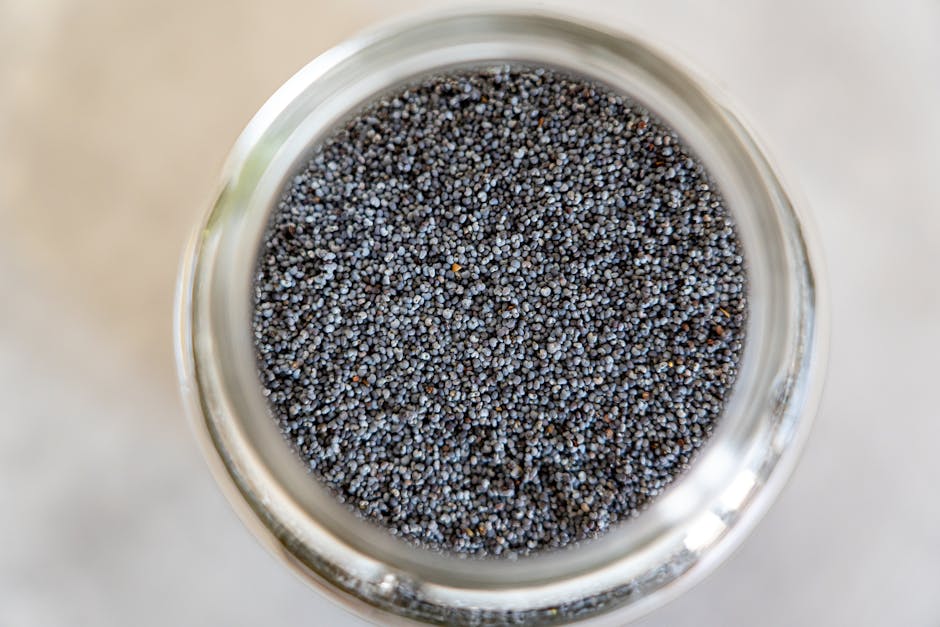
Poppy seeds are the tiny, kidney-shaped seeds of the opium poppy plant (Papaver somniferum), harvested after the flower petals drop and the seed pod dries. The seeds themselves contain no active opiates in any meaningful amount and are legal, common pantry staples. They come mainly in a dark blue-gray color used in Western baking, and a white or golden variety common in South Asian and Middle Eastern cooking, where they're ground into pastes and sauces.
Varieties
Blue-gray poppy seeds are the standard in European and American baking. White or golden poppy seeds, common in Indian and Pakistani cooking, are milder and typically ground into a paste rather than used whole; the two aren't fully interchangeable in appearance, though flavor is close enough to swap in most recipes.
Buying tips
Buy from a store with good turnover, since older poppy seeds smell and taste rancid rather than nutty. Whole seeds keep longer than pre-ground; grind small batches as needed for the strongest flavor.
Substitutes
Sesame seeds — 1:1
Different flavor (nuttier, no crunch-pop texture) but works visually and texturally in baked goods like bagels and loaf cakes.
Chia seeds — 1:1
Similar tiny size and dark color for baking, though chia seeds gel when wet and add a mild, slightly nutty flavor rather than poppy seed's bitter-nutty crunch.
White or golden poppy seeds (khus khus) — 1:1
Use in place of blue poppy seeds for savory South Asian dishes; grinds into a smoother paste for thickening curries.
Nigella seeds (kalonji) — 1:1
Visually similar black, tiny seeds for topping bread or crackers, but has a sharper, oniony-bitter flavor rather than poppy seed's mild nuttiness.
Storage
Poppy seeds contain a high amount of oil and turn rancid faster than most spices. Store in an airtight container in the refrigerator or freezer, away from light and heat, and use within about six months for best flavor. A rancid, sharp or paint-like smell means it's time to toss them.
How to use
Sprinkle whole onto bagels, breads, and crackers before baking. Fold into cake and muffin batters for the classic lemon-poppy seed or poppy seed loaf flavor and texture. Grind in a spice grinder or mortar and pestle to release more flavor and use in fillings (like poppy seed roll filling) or to thicken and flavor South Asian curries and sauces.
What it pairs with
Pairs well with lemon and orange zest in baked goods, with honey and almond in pastries, and with yogurt-based sauces or ground meat in savory Central and South Asian dishes.
Nutrition
Poppy seeds are calorie-dense due to their oil content but used in small amounts. They provide calcium, manganese, and healthy unsaturated fats, though the quantities used per serving are typically too small to matter nutritionally.
FAQ
Will eating poppy seeds cause a positive drug test?
Yes, this can happen. Poppy seeds carry trace residue of opiates from processing, and eating a poppy seed bagel or muffin can trigger a positive result on a standard opiate drug test for up to about 48 hours.
Do poppy seeds need to be toasted before using?
No, but toasting them dry in a pan for a minute or two, until fragrant, deepens their nutty flavor and is common when using them in fillings or savory dishes rather than straight into batter.
Why do some recipes call for grinding poppy seeds?
Whole poppy seeds have a hard outer shell that passes through mostly unbroken when chewed. Grinding releases the oils and flavor compounds inside, which is why fillings and pastes call for ground seeds while toppings use them whole.
Can poppy seeds go bad?
Yes. Their high oil content means they turn rancid within a few months at room temperature, developing a bitter, paint-like smell. Refrigeration or freezing roughly doubles their usable shelf life.
Have poppy seed on hand? Find recipes with our Recipe Generator →