
Protein Noodles
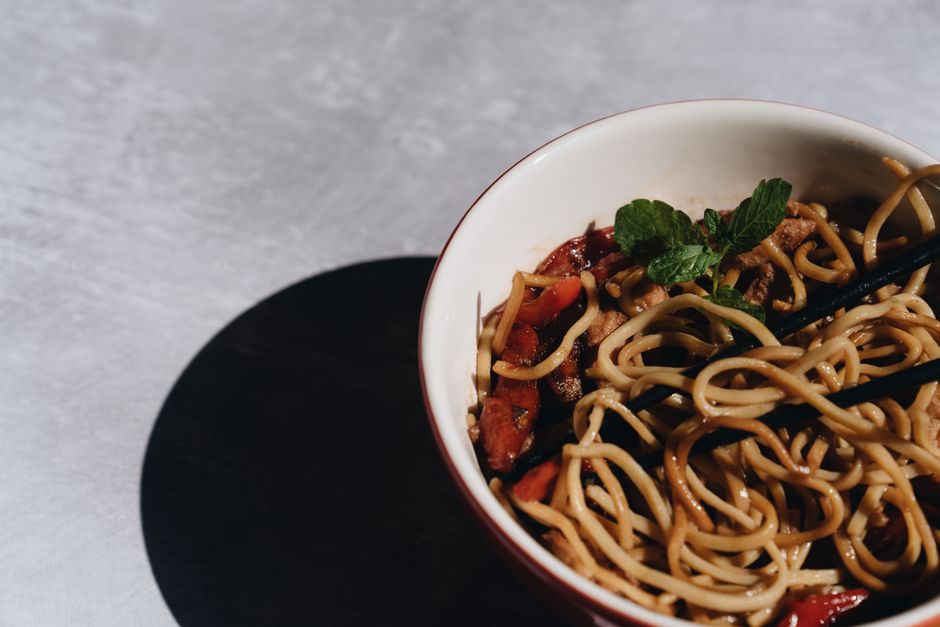
Protein noodles are pasta-shaped noodles made from a higher-protein base than standard durum wheat, most commonly chickpeas, lentils, black beans, edamame, or egg whites, sometimes soy fiber. They're formed and cooked the same way as regular pasta but deliver roughly two to three times the protein per serving, with fewer net carbs in the legume-based versions. Texture and taste vary a lot by brand and base ingredient: chickpea and lentil versions taste closest to wheat pasta, while edamame and black bean versions have a more noticeable bean flavor and a denser bite.
Varieties
Legume-based noodles (chickpea, lentil, black bean, edamame) are dense, high-fiber, and gluten-free, with the base bean's flavor coming through to varying degrees. Egg white pasta is wheat-based with added egg white protein, so it's not gluten-free but has a texture closest to traditional pasta. Tofu shirataki noodles are a separate category made mostly of glucomannan fiber and soy, marketed for low calories rather than high protein, and shouldn't be assumed interchangeable with legume pastas for protein content.
Buying tips
Check the nutrition label rather than the front-of-box marketing, since some products labeled 'protein pasta' are wheat pasta with added pea protein isolate and don't taste or cook like a true legume noodle. Single-ingredient legume pastas (just chickpea flour and water, for example) tend to have the cleanest flavor and fewest gums or binders.
Substitutes
Chickpea pasta — 1:1 by cooked volume
Closest texture and taste to wheat pasta; holds up well in tomato-based sauces but goes gummy if overcooked past al dente.
Lentil pasta (red or green lentil) — 1:1 by cooked volume
Milder flavor than chickpea pasta and a slightly softer bite; good for baked pasta dishes.
Edamame pasta — 1:1 by cooked volume
Highest protein of the legume noodles with the most vegetal, beany flavor; pairs best with garlic, chili, or soy-based sauces rather than tomato.
Black bean pasta — 1:1 by cooked volume
Dark colored and dense, with a stronger legume taste; works best in bold sauces like arrabbiata that mask the color and flavor.
Egg white pasta — 1:1 by cooked volume
Closest texture to fresh egg pasta, mild flavor, cooks in about the same time as regular spaghetti.
Tofu shirataki noodles — 1:1 by volume, not a calorie or protein match
Very low calorie and low protein, mostly water and soy fiber; use only when the goal is bulk and low carbs rather than protein content, and rinse well before cooking to remove the packing liquid smell.
Regular durum wheat pasta — 1:1 by cooked volume
Standard fallback with the most reliable texture, but roughly half the protein and none of the fiber boost of legume-based noodles.
Storage
Store dry protein noodles in their sealed package in the pantry, away from moisture, for the shelf life printed on the box, usually 12 to 18 months. Once cooked, refrigerate in an airtight container for 3 to 4 days; legume-based noodles firm up and can taste slightly grainy when reheated, so a quick toss in a hot pan with a splash of water or sauce helps restore texture.
How to use
Cook legume-based protein noodles 1 to 2 minutes less than the package time since they overcook to mush faster than wheat pasta, and rinse briefly under cool water if not saucing immediately to stop carryover cooking. They work in any dish built for regular pasta: tomato sauces, pestos, stir-fries, and cold pasta salads, though very saucy baked dishes suit chickpea or lentil versions better than the more fragile edamame or black bean types.
What it pairs with
Chickpea and lentil noodles pair well with olive oil, garlic, roasted vegetables, and light tomato sauces. Edamame and black bean noodles do better with soy sauce, sesame oil, ginger, and chili, which stand up to their stronger bean flavor. Egg white pasta pairs like a standard fettuccine, working well with cream sauces or brown butter.
Nutrition
Protein content ranges widely by base: legume noodles run 13 to 24 grams of protein per cooked cup versus about 8 grams for regular wheat pasta, while shirataki noodles are nearly protein-free despite being marketed alongside them. Legume-based versions also carry more fiber, often 8 to 12 grams per serving, which can cause digestive adjustment if eaten in large amounts at first.
FAQ
Do protein noodles taste like regular pasta?
Chickpea and lentil versions taste closest to wheat pasta with only a mild earthy note; edamame and black bean versions have a more distinct bean flavor that comes through even under sauce.
Are protein noodles keto friendly?
Most legume-based protein noodles are too high in carbs for strict keto, running 30 to 35 grams of carbs per cup. Tofu shirataki noodles are the keto-friendly option, with only about 3 grams of carbs per cup, but they're low in protein too.
Why do protein noodles get mushy so fast?
Legume flours absorb water faster than wheat semolina and have less gluten structure to hold their shape, so they go from al dente to soft within about a minute of extra boiling.
Can protein noodles be used in cold pasta salad?
Yes, chickpea and lentil noodles hold up well cold if slightly undercooked and rinsed immediately after draining to stop the cooking and remove surface starch that would otherwise make them clump.
Have protein noodles on hand? Find recipes with our Recipe Generator →