
Protein Pudding
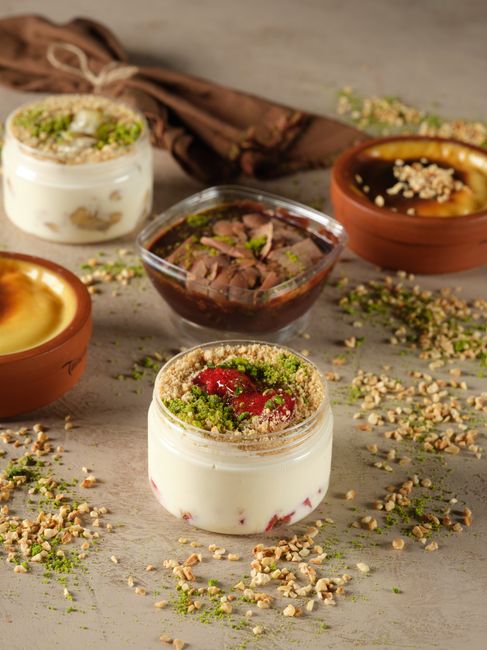
Protein pudding is a thickened, chilled dessert built around a concentrated protein source, usually whey, casein, or a plant protein blend, instead of the eggs, cornstarch, or flour used in classic pudding. Casein-based versions set the thickest because casein clumps and gels when it meets liquid, which is also why casein powders make notoriously good pudding while whey isolate tends to stay thinner and more mousse-like. Most recipes combine protein powder with milk (dairy or plant-based), a thickener like Greek yogurt, chia seeds, or a small amount of cornstarch or instant pudding mix, and a sweetener, then chill until set.
Varieties
Casein-based protein pudding sets thick and dense, closest to traditional pudding texture, and is best made ahead since it needs time to firm up. Whey-based protein pudding sets softer and lighter, closer to a mousse, and is better suited to eating soon after mixing rather than long chilling.
Buying tips
If buying premade protein pudding rather than making it, check the ingredient list for the protein source first, casein or milk protein concentrate gives a thicker, more traditional pudding texture than whey isolate. Watch the sugar alcohol content (erythritol, maltitol) in sugar-free versions, since large amounts can cause digestive discomfort.
Substitutes
Greek yogurt whisked with protein powder — 1:1 by volume for the pudding base
Thicker and tangier than a milk-based pudding; needs less added thickener since yogurt already holds structure.
Cottage cheese blended smooth with protein powder — 1:1 by volume
Blending is essential to remove curds; produces a denser, higher-protein pudding with a slightly savory undertone unless well sweetened.
Silken tofu blended with cocoa powder and sweetener (no added protein powder) — 1 cup tofu per 1 cup intended pudding
Lower in protein per serving than powder-based versions but naturally smooth and dairy-free; needs strong flavoring since tofu is bland.
Instant sugar-free pudding mix stirred with extra milk and a scoop of protein powder — 1 standard pudding box + 1 scoop powder replaces a homemade protein pudding batch
Fastest option and reliably smooth, but relies on instant starches for texture rather than the protein itself.
Chia pudding with protein powder whisked in — 1:1 by volume, using 3 tablespoons chia per cup of liquid
Adds fiber and a distinct seed texture rather than a smooth custard-like mouthfeel; needs at least 4 hours to gel.
Storage
Store covered in the refrigerator for up to 4 days. Protein pudding thickens further as it chills, especially casein-based versions, so add a splash of milk and stir before serving if it becomes too dense. It does not freeze well; the protein structure breaks down and separates into a grainy, watery texture on thawing.
How to use
Serve chilled as a high-protein dessert or snack, layer into parfaits with fruit and granola, use as a filling between cake layers, or spread thinly as a topping over baked oats. Because it sets firm, it also works piped into small cups for meal-prepped snacks.
What it pairs with
Pairs well with fresh berries, sliced banana, a drizzle of nut butter, crushed graham crackers, or a spoonful of granola for added crunch. Chocolate and peanut butter versions also work well with a light dusting of cocoa nibs or espresso powder.
Nutrition
A typical serving made with one scoop of whey or casein protein and milk delivers 20-25 grams of protein for around 150-200 calories, far more protein per calorie than traditional cornstarch-and-egg pudding, which relies on dairy and starch for most of its calories instead.
FAQ
Why does my protein pudding turn out gluey or gummy instead of smooth?
Overmixing whey protein, especially isolate, activates its proteins in a way that creates a gummy texture. Whisk just until combined and let the pudding thicken in the refrigerator rather than trying to thicken it by stirring longer.
Can I make protein pudding without any protein powder?
Yes, using blended cottage cheese, Greek yogurt, or silken tofu as the base gives a similar thick, spoonable texture with naturally occurring protein, though the total protein per serving will usually be lower than a powder-based version.
Why is my protein pudding thin even after chilling overnight?
This usually means the protein powder used was a whey isolate rather than casein or milk protein concentrate; isolate doesn't gel the same way. Add a tablespoon of Greek yogurt or a teaspoon of chia seeds to help it set firmer.
Does protein pudding taste bitter?
Bitterness usually comes from the protein powder itself rather than the pudding method. Powders sweetened with stevia or sucralose can turn bitter with heat or over-blending; using a milder-tasting powder or adding a pinch of salt and extra vanilla usually corrects it.
Have protein pudding on hand? Find recipes with our Recipe Generator →