
Provolone
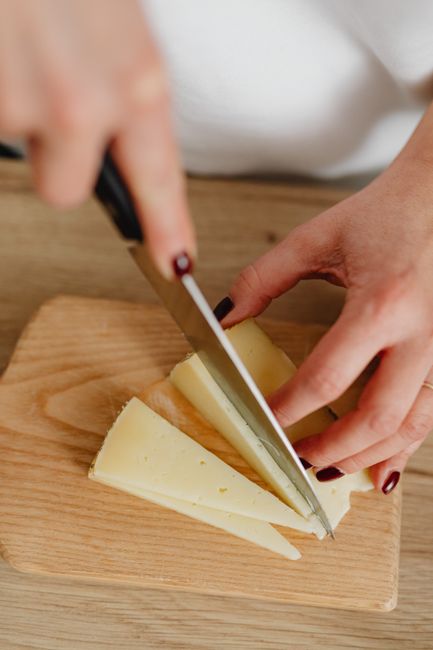
Provolone is a semi-hard Italian cow's milk cheese made using the pasta filata (stretched-curd) method, the same process used for mozzarella. Unlike fresh mozzarella, provolone is aged, which firms up the texture and concentrates the flavor. It's sold in two main styles: dolce (mild, aged about 2-3 months) and piccante (sharp, aged 6 months or longer), with dolce being far more common in supermarkets.
Varieties
Provolone dolce and provolone piccante are the same cheese aged for different lengths of time, not different recipes. Provolone Valpadana is a DOP-protected version made in Northern Italy under strict rules, generally sold as large sausage-shaped wheels and prized for deeper flavor than mass-market American provolone.
Buying tips
Check the label for dolce or piccante, since supermarket provolone is not always marked clearly and the flavor difference is significant. A pale ivory color and firm but pliable texture indicate freshness; avoid wedges with a dried, cracked, or yellowed rind. Deli-sliced provolone from a block generally has better flavor than pre-packaged sliced versions.
Substitutes
Low-moisture mozzarella — 1:1
Much milder and stretchier when melted, but the closest textural match for sandwiches and pizza. Add a pinch of extra salt if the dish depends on provolone's saltiness.
Fontina — 1:1
Nuttier and slightly more pungent, melts smoothly, and works well in baked pasta or grilled sandwiches.
Monterey Jack — 1:1
Much milder with almost no tang, but melts similarly. Best when provolone is used mainly for its melt rather than its flavor.
Sharp provolone piccante swapped for dolce (or vice versa) — 1:1
Same cheese, different age. Piccante is noticeably more pungent and firmer, so use less if substituting piccante for dolce in a recipe that expects mildness.
Storage
Wrap tightly in wax paper or parchment, then in plastic wrap or a zip-top bag, pressing out excess air. Refrigerate and use within 2-3 weeks of opening; re-wrap after each use since exposed cut edges dry out and harden. Provolone also freezes reasonably well for up to 2 months if shredded first, though texture softens slightly on thawing.
How to use
Sliced provolone is a classic sandwich cheese, especially in Italian subs and Philly cheesesteaks. It melts smoothly, making it useful for grilled cheese, baked ziti, stromboli, and pizza, often blended with mozzarella for more flavor. Aged piccante provolone can be grated over pasta or eaten in small chunks as a table cheese.
What it pairs with
Pairs well with cured meats like salami and prosciutto, roasted red peppers, and crusty Italian bread. Piccante provolone stands up well to bold flavors like olives, capers, and a drizzle of good olive oil.
Nutrition
Provolone is a good source of calcium and protein, with roughly 100 calories and 7-8 grams of protein per ounce. Like most aged cheeses, it's relatively high in saturated fat and sodium, so it's typically used in moderate portions rather than as a primary protein source.
FAQ
What's the difference between provolone dolce and piccante?
Dolce is aged about 2-3 months and tastes mild and buttery; piccante is aged 6 months or more and develops a much sharper, tangier bite closer to aged Parmesan in intensity.
Does provolone melt well?
Yes, it melts smoothly and stretches slightly due to the pasta filata process, which is why it's common on sandwiches and pizza, though it doesn't stretch as dramatically as fresh mozzarella.
Is provolone the same as smoked provolone?
Smoked provolone is the same cheese given a cold-smoking step after aging, which adds a smoky flavor and slightly darker rind but doesn't change how it melts or slices.
Can provolone be eaten without melting it?
Yes, especially piccante versions, which are firm enough to slice thin and serve as a table cheese with cured meats and olives.
Have provolone on hand? Find recipes with our Recipe Generator →