
Requesón
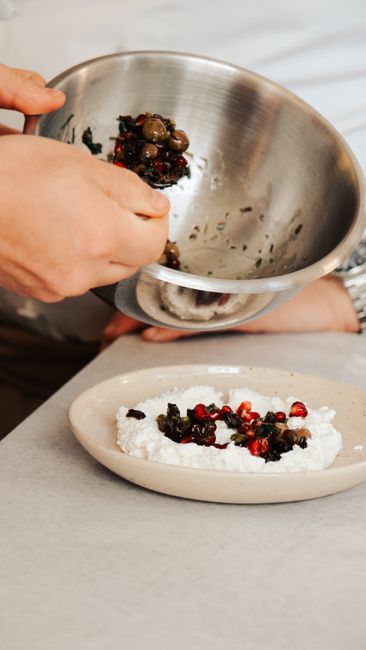
Requesón is a fresh, unaged Mexican cheese traditionally made from the whey left over after making other cheeses, though most commercial versions today are made directly from milk. It has a soft, moist, slightly grainy curd similar to ricotta but generally milder, wetter, and less sweet, with a faint tang. It's sold in plastic tubs or wrapped in paper at Mexican markets and used in both savory fillings and sweet desserts.
Varieties
Some regions distinguish between requesón made from true leftover whey (closer to a true whey cheese, lighter and slightly sweet) and commercial versions made from milk with added acid or rennet, which taste closer to a mild ricotta. Both are sold under the same name and used interchangeably in recipes.
Buying tips
Look for requesón that looks moist and slightly glossy, not dry or crumbly at the edges of the tub. It should smell clean and faintly milky, not sour. Mexican grocery stores and some Latin markets carry it fresh in the refrigerated cheese case, often near queso fresco and crema.
Substitutes
Whole milk ricotta — 1:1
The closest match in texture and mild flavor; drain briefly in a sieve if the ricotta seems wetter than the requesón it's replacing.
Cottage cheese, blended smooth — 1:1
Pulse in a food processor for 15-20 seconds to break up the curds; drain off excess liquid first for a texture closer to requesón.
Queso fresco, crumbled, mixed with a splash of milk or cream — 1:1
Queso fresco alone is drier and firmer than requesón; mash it with a fork and stir in about a tablespoon of milk per cup to loosen it.
Farmer's cheese — 1:1
Firmer and less tangy than requesón, but works well in baked fillings where a bit more structure is fine.
Storage
Keep refrigerated in its original container or a sealed airtight container. It's highly perishable since it's unaged and moist; use within 5-7 days of opening and check for sourness or discoloration before use.
How to use
Used as a filling for quesadillas, empanadas, tamales, and enchiladas, often mixed with epazote or poblano strips for a savory version. Also common in sweet preparations like conchas filling, requesón cake, or simply spread on bread with honey or fruit preserves. Its softness means it melts into a creamy texture rather than browning, so it's best folded into fillings rather than used as a topping that needs to hold shape.
What it pairs with
Pairs well with roasted poblano chiles, epazote, fresh corn, and cinnamon-sugar in sweet applications. Balances nicely against salsa verde or a squeeze of lime in savory fillings, since its mildness needs acidity or spice to stand out.
Nutrition
Requesón is lower in fat and salt than most aged cheeses, since it's fresh and unripened. It's a decent source of protein and calcium, though exact values vary widely by brand since some are made from whole milk and others from skim milk plus whey.
FAQ
Is requesón the same as ricotta?
They're very similar in texture but not identical. Ricotta is traditionally made from whey with added cream in some styles, while requesón is typically lighter, wetter, and less sweet, with a slightly more pronounced tang.
Can requesón be eaten on its own?
Yes. It's often eaten plain or lightly sweetened, spread on warm bread or tortillas, similar to how ricotta is eaten as a simple snack.
Why did my requesón turn watery in the fridge?
Fresh whey cheeses naturally release liquid as they sit. Drain off the liquid with a spoon or strain briefly in a fine sieve before using; it doesn't mean the cheese has spoiled unless it also smells sour.
Can requesón be frozen?
Freezing is not recommended. The delicate curd structure breaks down and the cheese turns grainy and watery once thawed, which works against its usual smooth texture.
Have requesón on hand? Find recipes with our Recipe Generator →