
Scallop Shell
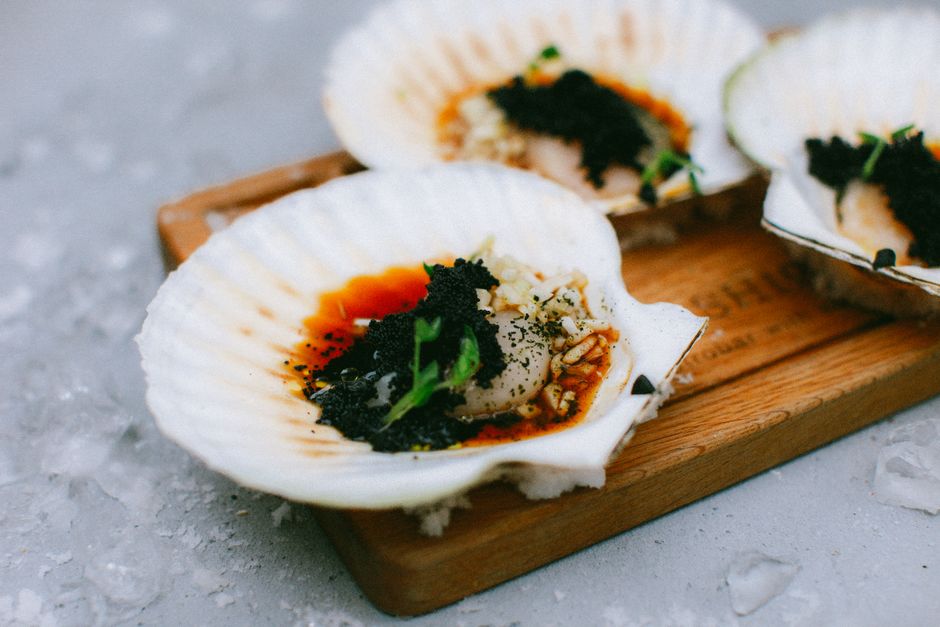
A scallop shell is the ridged, fan-shaped exterior shell of the scallop, made of calcium carbonate and lined with a smooth, slightly iridescent interior. In cooking it isn't eaten; it's used as a natural, oven-safe serving and baking vessel, most famously for coquilles St. Jacques, where scallop meat is baked in its own half-shell with a cream or wine sauce and browned breadcrumbs on top. Empty, cleaned shells are also sold separately as reusable cookware and tableware.
Varieties
Sea scallop shells are larger and deeper than bay scallop shells, making them the more common choice for full baked entrees, while smaller bay scallop shells suit appetizer-sized portions. Ceramic reproductions are molded from real shells and come in more consistent sizes than natural ones, which vary shell to shell.
Buying tips
Buy shells labeled as cleaned and food-safe from a fishmonger or kitchen supply store rather than craft-store decorative shells, which are often treated with lacquers or sealants not meant for oven use. Choose shells of similar size for even cooking when serving multiple portions, and check that the shell sits flat without wobbling on a baking sheet.
Substitutes
Small ceramic ramekins — 1 ramekin per shell
The standard substitute for baking individual seafood gratins; use shallow ramekins around 4 to 5 inches wide to mimic the shallow depth of a shell.
Ceramic scallop-shaped baking dishes — 1:1
Reusable and dishwasher-safe, made specifically to replicate the shape and shallow well of a real shell without needing to clean actual shellfish shells.
Large clam or oyster shells — 1:1
Works for smaller portions; clean and boil thoroughly first since these shells are typically less deep than scallop shells.
Aluminum foil shell molds — 1:1
Disposable and inexpensive for large batches or catering; shape foil over an upturned bowl or buy pre-formed foil shell dishes.
Storage
Clean, dry scallop shells indefinitely at room temperature in a cupboard or drawer; they don't spoil since nothing edible remains once cleaned. Between uses, wash with hot soapy water, dry completely to prevent lingering odor, and store stacked or nested to save space.
How to use
Used most often to bake and serve coquilles St. Jacques, scallop gratins, and other seafood dishes topped with breadcrumbs or cheese and browned under a broiler. Also used decoratively as small serving dishes for butter, olives, salt, or amuse-bouche portions at the start of a meal.
What it pairs with
Traditionally paired with a white wine and shallot cream sauce, gruyere or parmesan breadcrumb topping, and fresh scallop or mixed seafood filling; also used for simple garlic butter shrimp or crab appetizers.
Nutrition
The shell itself is inedible calcium carbonate and contributes no calories or nutrients to a dish; any nutrition in a coquilles St. Jacques recipe comes entirely from the scallop meat, sauce, and toppings, not the shell it's baked in.
FAQ
Can you actually eat food cooked in a real scallop shell?
Yes, as long as the shell has been thoroughly cleaned of all tissue, boiled or scrubbed to remove bacteria, and is being used purely as a vessel; the shell itself is never eaten.
How do you clean a scallop shell for reuse?
Scrub off any remaining muscle or membrane, boil the shells for about 10 minutes to sanitize and remove odor, then air dry completely before storing or reusing them.
Are scallop shells oven-safe?
Yes, natural shells withstand normal baking and broiling temperatures without cracking, since they're the same material scallops use to survive in ocean environments.
Can you reuse scallop shells more than once?
Yes, cleaned shells can be reused many times; just re-sanitize with a boil or hot soapy wash between uses to avoid any lingering fishy odor.
Have scallop shell on hand? Find recipes with our Recipe Generator →