
Sole
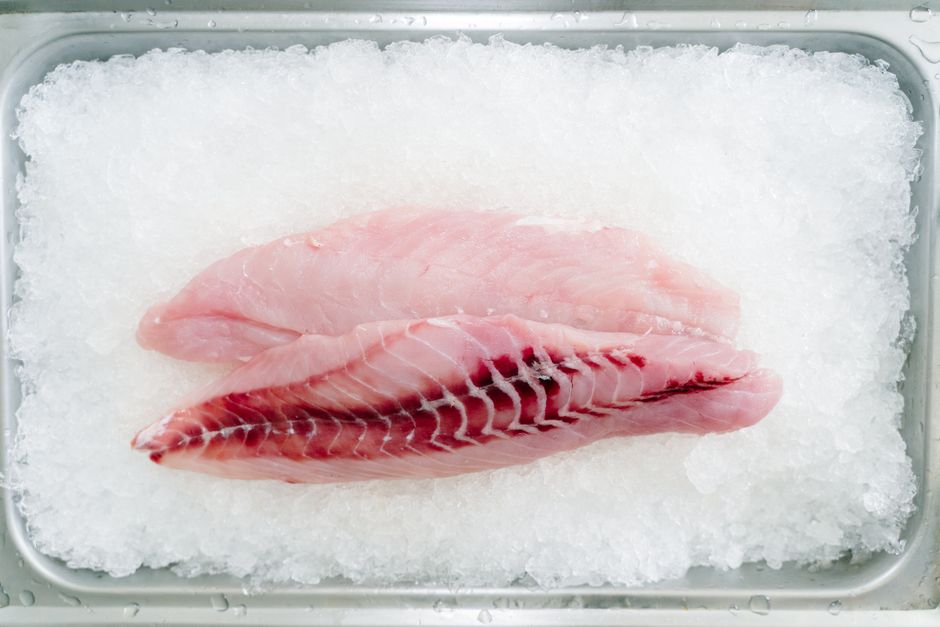
Sole is a flatfish name applied to several related species, including true Dover sole (found in European waters), and a handful of North American flatfish sold as lemon sole, gray sole, and petrale sole that are actually different species marketed under the sole name. All share a thin, delicate white fillet with a mild, slightly sweet flavor and fine flake, which is why the name gets stretched across so many similar-looking fish at the counter.
Varieties
True Dover sole (Solea solea) is a European species with a firmer texture and more pronounced flavor than most fish sold as sole in North America. Lemon sole and gray sole in the US are typically winter flounder or witch flounder marketed under the sole name for familiarity, and petrale sole is a distinct Pacific flatfish that's genuinely closer to true sole in texture. None of these substitutions are deceptive by regulation, just an inconsistency in common naming across regions.
Buying tips
Fillets should look moist and slightly translucent, not opaque or dry at the edges, with no strong fishy odor (a clean, briny smell is normal). If buying whole, the flesh should spring back when pressed and the eyes should be clear rather than clouded. Because true Dover sole is imported and pricier, ask specifically whether counter 'sole' is Dover, petrale, gray, or flounder sold under the sole name; the price difference is significant.
Substitutes
Flounder — 1:1
Nearly identical texture and flavor; in the US, much of what's sold as sole is technically flounder already.
Petrale sole or gray sole — 1:1
Still technically sole-family flatfish on the West Coast, slightly firmer flesh than Dover sole.
Turbot — 1:1
Firmer and slightly richer than sole, but works in the same quick pan-fry or meuniere preparations.
Tilapia — 1:1
Much more widely available and cheaper; blander flavor and a slightly thicker fillet, so shorten sauce reduction time to avoid overcooking.
Halibut — 0.75:1
Denser and meatier, not a delicate match, but a reasonable stand-in for baked or poached sole dishes; use a bit less since halibut is more filling per ounce.
Storage
Fresh sole fillets are thin and spoil faster than thicker fish. Keep them on ice or in the coldest part of the refrigerator, wrapped tightly in plastic or in their original vacuum packaging, and use within 1 to 2 days of purchase. For longer storage, freeze in a single layer wrapped in plastic then foil, and use within 3 months; thaw in the refrigerator overnight, never at room temperature, since the thin flesh turns mushy fast.
How to use
Sole's thinness makes it best suited to quick, gentle cooking: dredge in flour and pan-fry in butter for 2 to 3 minutes per side for classic sole meuniere, roll fillets around a filling and bake at 375°F for 12 to 15 minutes, or poach in white wine and stock for 5 to 6 minutes. Avoid grilling directly on grates since the fillets are too delicate to flip without falling apart.
What it pairs with
Classic pairings include brown butter, lemon, and capers (meuniere style), white wine and shallots for poaching, or a light almond crust. Sole's mildness also works well with fresh herbs like parsley, tarragon, and chives, and pairs naturally with simple sides like sautéed spinach or boiled new potatoes that won't overpower the fish.
Nutrition
A 3-ounce cooked portion of sole has roughly 70 to 80 calories and about 1 gram of fat, making it one of the leaner white fish options. It's a good source of lean protein, selenium, and vitamin B12, though lower in omega-3s than fattier fish like salmon.
FAQ
Is sole the same fish as flounder?
Not biologically, but in US markets much of what's labeled sole is actually a flounder species; the two are close enough in texture and flavor that recipes calling for one work fine with the other.
Why does sole fall apart so easily when cooking?
The fillets are thin, often under a quarter-inch, with a low fat content that offers little structural support, so they need a firm nonstick or well-seasoned pan and a thin spatula to flip without tearing.
Can you eat sole skin?
Yes, sole skin is edible and crisps up well if pan-fried skin-side down first, though most fillets sold at the counter are already skinned since the skin can be slightly tough compared to other fish.
Is Dover sole worth the extra cost over regular sole?
True Dover sole has a firmer bite and a more concentrated, slightly nutty flavor than domestic flounder sold as sole, which matters most in simple preparations like meuniere where the fish itself is the main flavor.