
Storing Groceries
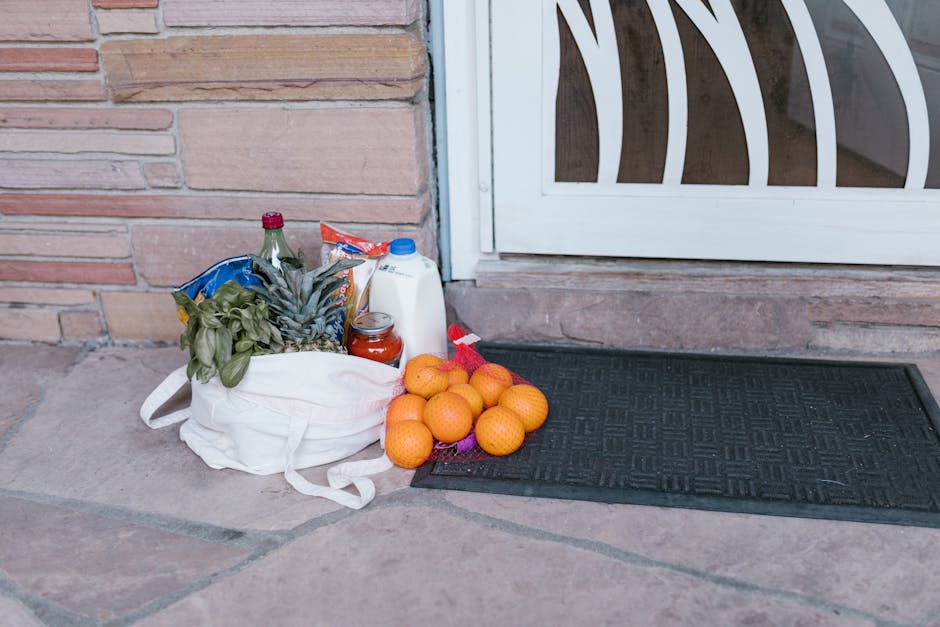
Grocery storage comes down to controlling three things: temperature, humidity, and ethylene gas exposure. Most food spoilage happens because an item sits in the wrong temperature zone (too warm for dairy, too cold and humid for tomatoes) or because it's stored next to a fruit or vegetable releasing ethylene gas that speeds up ripening and rot in nearby produce. A refrigerator set at 35-38°F, a freezer at 0°F, and a cool dark pantry around 60-70°F cover almost everything in a standard grocery haul.
Buying tips
Buy perishables in quantities that match how quickly a household actually eats through them rather than in bulk for the sake of a lower unit price; food that spoils before it's used costs more than food bought at full price and eaten. Check that refrigerated items feel cold to the touch at the store, since a warm dairy or meat case is a sign of a broken cold chain.
Substitutes
Vacuum-seal bags in place of standard zip-top freezer bags — 1:1
Removing air prevents freezer burn, extending usable freezer life on meat and fish from about 2-3 months in a zip bag to 6-12 months vacuum sealed.
Wide-mouth mason jars in place of plastic clamshell containers — 1:1
Good for herbs stored stem-down in water and for pre-washed berries; glass doesn't trap condensation the way sealed plastic clamshells do, which slows mold.
A cooler packed with ice in place of refrigeration — N/A
Works for 24-48 hours during a power outage; keep the lid closed as much as possible and group dairy and meat together to hold cold longest.
Paper bags in place of plastic bags for mushrooms and leafy herbs — 1:1
Paper absorbs excess moisture instead of trapping it, which is why mushrooms in plastic turn slimy within a couple of days but last over a week in paper.
Storage
Sort groceries into three zones as soon as they're home: refrigerator (35-38°F) for dairy, eggs, most produce, and raw meat; freezer (0°F) for anything not being used within a few days; and a cool, dark pantry (60-70°F, away from the stove) for onions, potatoes, whole squash, and unopened dry goods. Keep raw meat on the lowest fridge shelf so drips can't contaminate anything below it. Wash produce only right before use, not at storage time, since residual moisture accelerates rot.
How to use
Proper sorting at the point of unpacking groceries prevents the two most common sources of waste: produce forgotten in a drawer and meat left too long before freezing. A quick rule that works for most households is to freeze any raw meat or poultry not being cooked within 2 days of purchase, and to do a 'use it up' scan of the crisper drawers every 3-4 days before planning the next meal.
What it pairs with
Keep ethylene-producing fruits like apples, bananas, and avocados away from ethylene-sensitive vegetables like leafy greens, broccoli, and carrots, since exposure speeds up wilting and yellowing. Store potatoes and onions in separate bins; onions release gases that make potatoes sprout faster when the two sit together.
Nutrition
Vitamin C and B vitamins degrade faster than other nutrients once produce is cut or bruised, so pre-washed and pre-cut vegetables lose nutritional value noticeably faster than whole ones stored intact. Refrigeration slows this degradation significantly compared to leaving produce at room temperature.
FAQ
Should eggs be stored in the fridge door or on a shelf?
On a shelf. The door is the warmest part of the refrigerator due to frequent opening, and eggs kept there are exposed to more temperature swings than eggs stored on an interior shelf.
Does washing produce before refrigerating it make it last longer?
No, it does the opposite for most items. Residual surface moisture from washing promotes mold and bacterial growth in storage; wash produce just before eating or cooking it instead.
How long can raw chicken stay in the fridge before it needs to be cooked or frozen?
About 1-2 days at 35-38°F. Beyond that, freeze it if it won't be cooked, since bacterial growth accelerates even at safe refrigerator temperatures after that window.
Why do potatoes go soft or sprout faster in the refrigerator?
Cold temperatures below about 40°F convert potato starches to sugar and can trigger early sprouting; potatoes keep better in a dark, cool pantry around 45-60°F than in the fridge.
Have storing groceries on hand? Find recipes with our Recipe Generator →