Tonic Water

Tonic water is a carbonated soft drink flavored with quinine, a bitter compound extracted from cinchona bark, and sweetened with sugar or artificial sweetener. The quinine gives it a distinctive bitter edge that plain soda water lacks, which is why it's the standard mixer for gin and tonics and vodka tonics rather than club soda or seltzer.
Varieties
Standard tonic water and diet/light tonic water differ meaningfully: standard versions carry real sugar and a fuller body, while diet versions are thinner and can taste more artificial. Premium 'artisanal' tonics (Fever-Tree, Q Mixers, Fentimans) also use higher-quality quinine and botanicals with less sugar, giving a noticeably drier, more bitter drink than supermarket tonic.
Buying tips
Check the ingredient list for 'quinine' or 'cinchona bark extract' to confirm it's true tonic rather than a bitter lemon soda mislabeled as tonic. Premium brands like Fever-Tree and Q Mixers use cane sugar and less added sweetener, giving a drier, more bitter profile than mass-market brands like Schweppes or Canada Dry, which tend to be sweeter and lighter on quinine.
Substitutes
Club soda + simple syrup + a dash of Angostura bitters — 1:1 (per cup club soda, add 1-2 tsp simple syrup and 2-3 dashes bitters)
Reproduces the sweet-and-bitter balance without quinine; won't fluoresce under UV light like real tonic but tastes close enough for most mixed drinks.
Bitter lemon soda — 1:1
Naturally bitter and citrus-forward from lemon peel extract; makes a slightly more tart gin and tonic.
Diet lemon-lime soda diluted with club soda — 1:1 mix, used 1:1 for tonic
Mimics the carbonation and light sweetness but has no bitterness, so the drink will taste sweeter and flatter than one made with real tonic.
Ginger ale — 1:1
A common swap when tonic isn't on hand, but the flavor shifts noticeably toward spicy-sweet ginger rather than bitter quinine.
Plain club soda with extra lime — 1:1
Loses both the sweetness and bitterness of tonic entirely, so the drink reads as much drier and more like a gin and soda.
Storage
Unopened bottles and cans keep at room temperature for months, check the printed date. Once opened, tonic water goes flat within a day or two even refrigerated, so recap tightly and use within 24-48 hours for the best fizz.
How to use
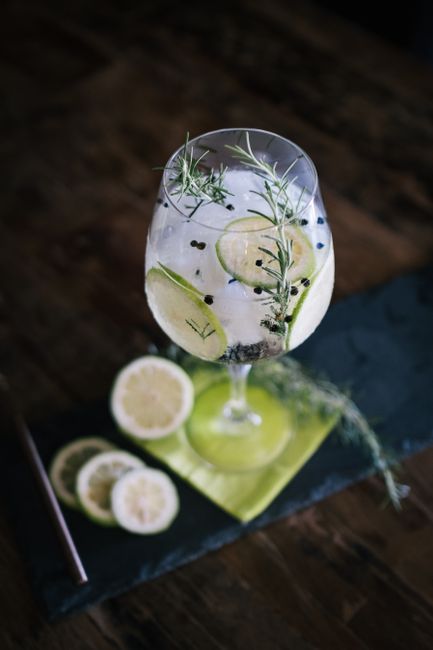
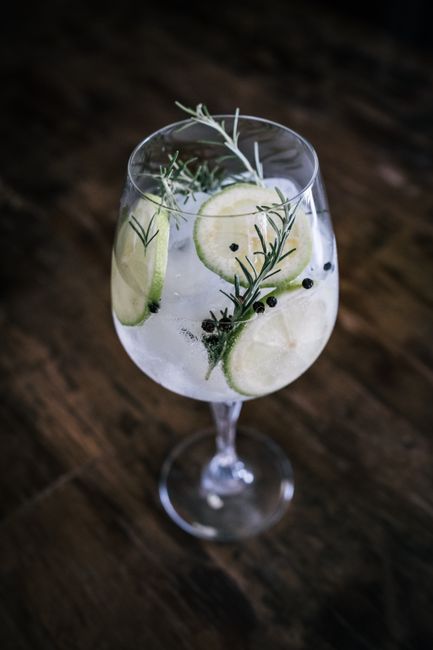
Used almost exclusively as a cocktail and mocktail mixer, most often with gin or vodka over ice with a squeeze of lime. It also appears in a few savory marinades and braises for its bitter-sweet edge, and can top off a glass of juice for a lighter, less sweet spritz.
What it pairs with
Classic with gin, especially London dry styles, and with vodka for a simpler highball. Lime, cucumber, mint, and a splash of elderflower liqueur all complement its bitterness well.
Nutrition
Regular tonic water contains real sugar, roughly 32-40 grams (about 8-10 teaspoons) per 12-ounce serving, similar to soda. Diet or 'light' tonic waters use artificial or natural no-calorie sweeteners instead. The quinine content is regulated by the FDA to a small, non-medicinal amount, far below the dose used to treat malaria.
FAQ
Does tonic water contain alcohol?
No. Tonic water is a non-alcoholic soft drink; it only becomes an alcoholic drink when mixed with gin, vodka, or another spirit.
What's the actual difference between tonic water and club soda?
Club soda is just carbonated water with a pinch of mineral salts and has no sugar or bitterness. Tonic water adds quinine for bitterness and sugar or sweetener, giving it a distinct sweet-and-bitter flavor club soda doesn't have.
Can tonic water really glow under black light?
Yes, the quinine in real tonic water fluoresces blue under UV light, which is a quick way to check if a mixer actually contains quinine rather than just citrus flavoring.
Does tonic water actually help with leg cramps?
The quinine level in commercial tonic water is far too low to have a real therapeutic effect; medicinal quinine for cramps or malaria is dosed at levels many times higher and requires a prescription in most countries.
Is tonic water safe for people watching their sugar intake?
Regular tonic water has sugar content comparable to soda, so diabetics or those cutting sugar should look for diet or 'slimline' tonic versions sweetened with stevia or aspartame instead.
Have tonic water on hand? Find recipes with our Recipe Generator →