
Trout
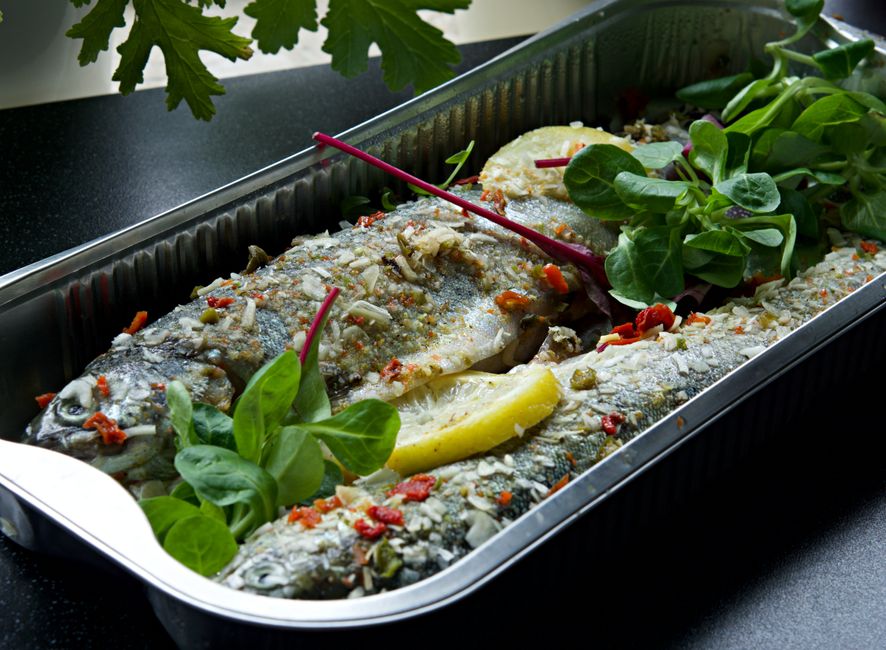
Trout is a freshwater fish in the same family as salmon, prized for its mild, slightly nutty flavor and tender, flaky flesh. Rainbow trout is the most common variety sold in the US, usually farm-raised and sold whole or as small fillets, though brook, brown, and lake trout show up seasonally from wild catches.
Varieties
Rainbow trout, the most common supermarket variety, is mild and farm-raised. Steelhead trout is a sea-run rainbow trout with slightly firmer, more orange flesh closer to salmon. Brook and brown trout are typically wild-caught, smaller, and have a more pronounced earthy flavor.
Buying tips
Whole trout should have clear, bulging eyes, bright red gills, and a fresh, mild ocean smell rather than a strong fishy odor. Fillets should look moist and slightly translucent, not dull or dried at the edges. Farm-raised rainbow trout is widely available year-round and is a sustainable choice.
Substitutes
Arctic char — 1:1
Closest match in texture and mild flavor, with a similar pink-orange flesh color; cook the same way.
Salmon — 1:1
Richer and fattier with a stronger fish flavor; works well in the same recipes but reduce cook time slightly for thinner fillets.
Steelhead trout — 1:1
Actually a sea-run rainbow trout, so the flavor and texture are nearly identical; often sold at a similar price.
Branzino or other mild white fish — 1:1
Leaner and less pink, so the dish looks different, but the mild flavor and quick-cooking flakiness translate well in whole-fish preparations.
Whitefish — 1:1
Milder and slightly softer texture; best in chowders or smoked preparations rather than pan-seared fillets.
Storage
Fresh trout keeps 1 to 2 days in the coldest part of the refrigerator, wrapped tightly or set on ice, since it spoils faster than firmer fish like salmon. For longer storage, freeze whole or filleted trout wrapped airtight for up to 3 months; thaw overnight in the refrigerator before cooking.
How to use
Pan-sear fillets skin-side down in butter for 3 to 4 minutes per side, bake whole trout stuffed with lemon and herbs at 400°F for 20 to 25 minutes, or grill whole fish in a basket over medium-high heat. Smoked trout is also common flaked into salads, dips, or pasta.
What it pairs with
Pairs well with lemon, dill, capers, brown butter, almonds, and bacon. Serve alongside roasted potatoes, sauteed greens, or a simple cucumber salad to balance the richness.
Nutrition
Trout is a good source of omega-3 fatty acids, high-quality protein, and vitamin B12, with generally lower mercury levels than larger predatory fish like tuna or swordfish.
FAQ
Do you need to remove the skin before cooking trout?
No, the skin crisps up nicely when pan-seared or grilled and helps hold the delicate flesh together; it's easy to peel off after cooking if preferred.
How do you know when trout is done cooking?
The flesh turns from translucent to opaque and flakes easily with a fork; this usually takes 6 to 8 minutes total for a fillet or about 20 minutes for a whole fish at 400°F.
Is farm-raised trout as good as wild trout?
Farm-raised rainbow trout is milder and more consistent in size and fat content, while wild trout has a more variable, often earthier flavor depending on its diet and habitat.
Can you eat trout bones?
Whole trout has a central spine and rib bones that are easy to lift out after cooking in one piece, but the small pin bones in fillets should be removed with tweezers before cooking.
Have trout on hand? Find recipes with our Recipe Generator →