
Washabinaros Chili
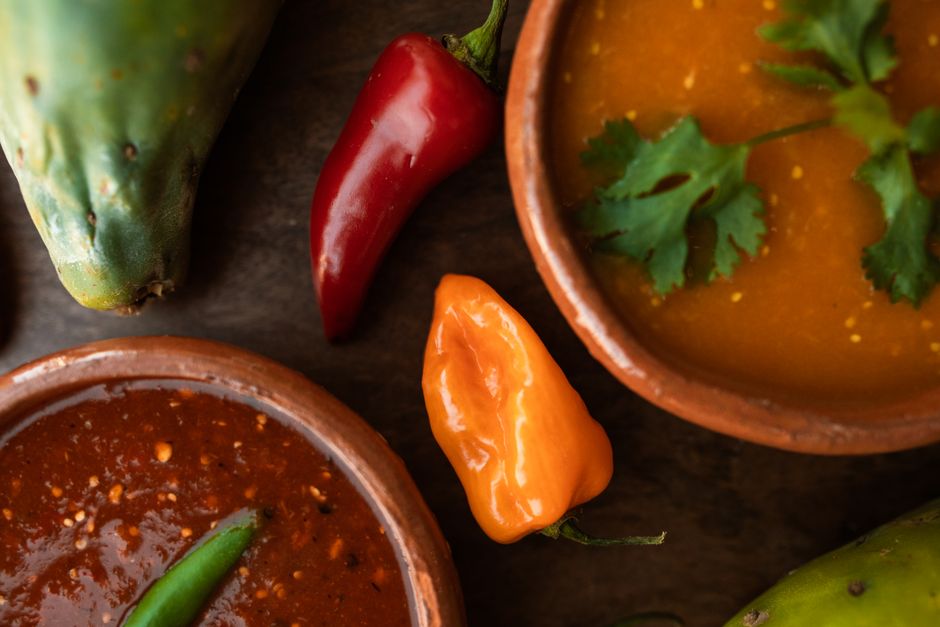
Washabinaros chili, more commonly spelled wasabinero, is a habanero cultivar bred for a sharper, faster-hitting burn that clears the sinuses the way wasabi does, instead of the slower, fruitier heat of a standard habanero. It is not related to actual wasabi, which is a root in the brassica family; the name comes from the sensation, not the plant. The pods look almost identical to regular habanero, small, lantern-shaped, and orange to red when ripe, and carry the same tropical, slightly citrusy undertone, but the heat arrives faster and fades faster too.
Varieties
Washabinaros is a spelling variant of wasabinero, a habanero cultivar developed by crossing habanero lines to emphasize a sharp, front-loaded heat. It is a true chili pepper and shares no botanical relation to wasabi, which is a root vegetable in the cabbage family.
Buying tips
Fresh washabinaros pods are rarely sold in general grocery stores; look for them through specialty hot pepper growers, farmers' market vendors who focus on superhots, or online seed retailers if growing your own. Choose pods that are firm and glossy with even color and no soft spots or shriveled skin.
Substitutes
Standard habanero — 1:1
The closest match since washabinaros is a habanero cultivar. Expect a rounder, more lingering burn instead of the sharp, quick sinus hit.
Scotch bonnet — 1:1
Similar heat range and a sweeter, fruitier flavor, but lacks the sharp top-note burn washabinaros is bred for.
Ghost pepper (bhut jolokia) — 1:2 (use about half as much)
Considerably hotter, so cut the quantity roughly in half and add gradually. The heat builds slower than washabinaros but lasts much longer.
Fresh jalapeño plus a small dab of prepared wasabi paste — to taste, start small
Approximates the flavor idea (mild chili base plus a sharp sinus hit) but behaves nothing like a real chili in cooking; the wasabi note fades with heat, so add it off the stove.
Storage
Keep fresh pods in a paper bag or a loosely closed container in the refrigerator crisper, where they hold for one to two weeks. For longer storage, freeze whole pods in a sealed bag for several months, or dry them fully for a shelf-stable powder or flake.
How to use
Used the same way as habanero: fresh in hot sauces, salsas, and pickling brines, or infused into oils and vinegars. Because the heat hits fast and hard, it works well minced very finely into marinades or dressings where a little goes a long way. Always wear gloves when cutting it and avoid touching your face until you've washed your hands thoroughly, since the capsaicin level is on par with or above standard habanero.
What it pairs with
Pairs well with mango, pineapple, lime, and garlic in the same way habanero does, and works especially well in Caribbean-style jerk marinades or fruit-based hot sauces where its quick, bright heat contrasts with sweetness.
Nutrition
Like most chilies, washabinaros is low in calories and eaten in small quantities, but it's a solid source of vitamin C and contains capsaicin, the compound responsible for both the heat and its mild metabolism-boosting effect. Per-serving nutritional impact is minor given how little is typically used.
FAQ
What does washabinaros chili taste like?
It carries the same tropical, slightly citrusy habanero flavor, but the heat hits fast and sharp, almost like a sinus jolt, then fades quicker than a standard habanero's slower-building, longer-lingering burn.
How hot is washabinaros chili compared to regular habanero?
It falls in roughly the same 150,000 to 350,000 Scoville range as habanero, sometimes trending toward the hotter end, but well below superhots like ghost pepper, which exceed 1,000,000 SHU.
Where can washabinaros chili actually be bought?
It's uncommon in mainstream grocery stores. It shows up most often through hot pepper seed sellers for home growing, or as dried powder and flake from boutique hot sauce makers who specialize in habanero cultivars.
Can washabinaros chili be dried?
Yes, it dries well like other habanero-type peppers. Drying mellows some of the sharp top-note heat but concentrates the overall capsaicin, making dried flake or powder noticeably more potent by volume than fresh.
Have washabinaros chili on hand? Find recipes with our Recipe Generator →