
Wild Mushrooms
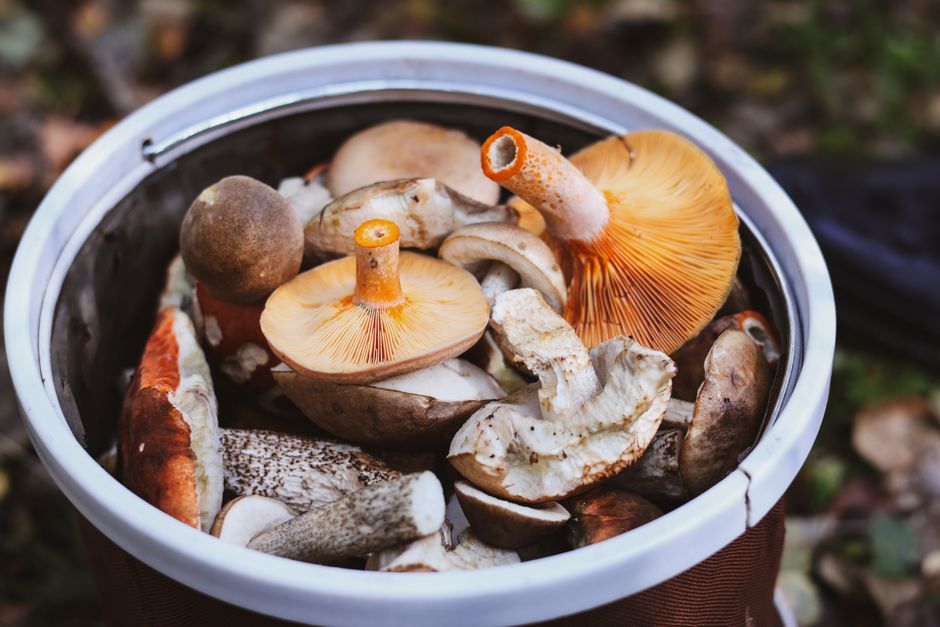
Wild mushrooms are fungi foraged or cultivated to mimic forest-grown varieties, including chanterelles, morels, porcini, and hen-of-the-woods. Unlike the uniform button mushroom, each variety has a distinct shape, texture, and earthy or nutty flavor that shifts with the season it's harvested. They're the backbone of a rustic, ingredient-forward nature dinner built around foraged flavors rather than heavily seasoned sauces.
Varieties
Chanterelles are trumpet-shaped, fruity, and slightly peppery. Morels have a honeycomb cap and a deep, nutty, almost smoky flavor, and must be cooked before eating since raw morels are mildly toxic. Porcini are dense, meaty, and prized dried as much as fresh. These are genuinely different mushrooms with different textures and cooking needs, not just regional names for the same fungus.
Buying tips
Choose mushrooms that are firm and dry to the touch with no dark, wet spots or strong ammonia smell. Morels should be hollow and firm, never mushy; chanterelles should be a deep orange-yellow, not pale or bruised. If buying from a forager rather than a grocery store, confirm the seller can identify the species with certainty, since several wild mushrooms have toxic lookalikes.
Substitutes
Cremini mushrooms (baby bella) — 1:1
Milder and more uniform than true wild varieties, but they hold up well in sautés and soups and cost far less.
Shiitake mushrooms, fresh — 1:1
Deeper, more savory flavor than cremini; discard the tough stems before using.
Dried porcini, rehydrated — 1:3 by volume (1 cup dried yields about 3 cups rehydrated)
Intensely concentrated flavor; save the soaking liquid to add to the dish since it carries most of the mushroom flavor.
Oyster mushrooms — 1:1
Delicate and slightly seafood-like in flavor; cook briefly since they turn rubbery if overdone.
Storage
Store fresh wild mushrooms in a paper bag or a loosely closed container lined with paper towels in the refrigerator, never in a sealed plastic bag, which traps moisture and causes them to turn slimy within a day or two. Most fresh varieties keep 3 to 5 days. Don't rinse them until just before cooking.
How to use
Sauté in butter over medium-high heat without crowding the pan so they brown instead of steaming. Use in risottos, cream sauces, omelets, and grain bowls, or roast whole with olive oil and thyme as a side for a simple nature dinner centered on seasonal, foraged ingredients.
What it pairs with
Pairs well with butter, garlic, fresh thyme or rosemary, dry white wine, cream, and roasted meats like chicken or venison. Chanterelles in particular complement eggs and light cream sauces, while meatier porcini and hen-of-the-woods stand up to red wine reductions and steak.
Nutrition
Wild mushrooms are low in calories and fat, provide potassium and B vitamins, and are one of the few plant foods that naturally contain vitamin D, particularly if they were exposed to sunlight during growth or drying.
FAQ
Do wild mushrooms need to be washed before cooking?
Brush off visible dirt with a soft brush or damp paper towel rather than soaking them in water, since mushrooms absorb liquid quickly and become waterlogged, which prevents proper browning.
Can raw wild mushrooms be eaten in a salad?
Most should not be. Morels are toxic raw and must be cooked, and many other wild varieties are difficult to digest raw even when technically edible. Cook wild mushrooms fully before eating.
Why do wild mushrooms cost so much more than button mushrooms?
Many wild varieties, like morels and chanterelles, can't be commercially farmed at scale and are hand-foraged in short seasonal windows, which drives up both scarcity and price.
Have wild mushrooms on hand? Find recipes with our Recipe Generator →