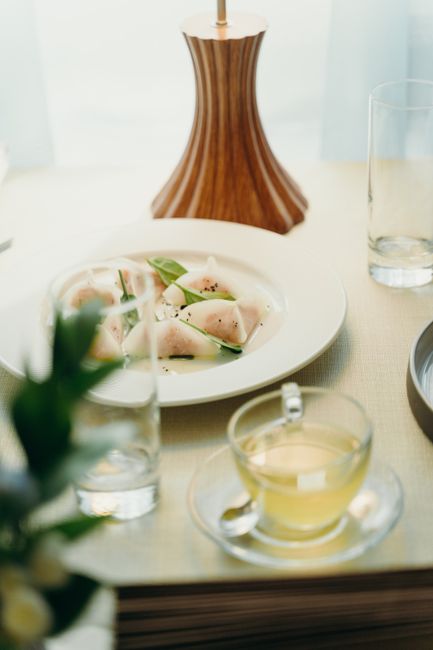
Best Green Tea Recipe
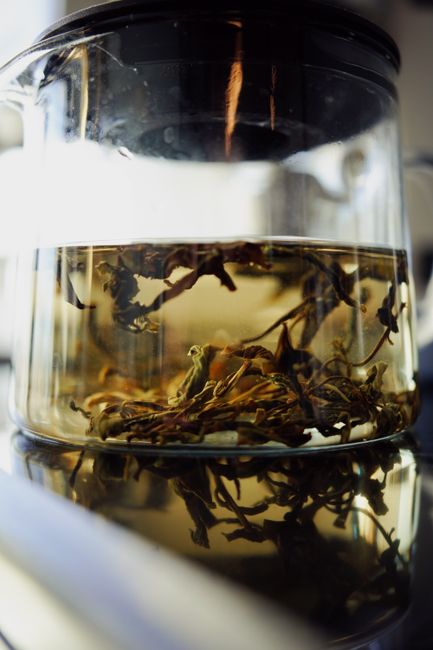
Water that's too hot pulls excessive tannins out of green tea leaves, which is what makes green tea taste bitter or grassy; keeping the water well under boiling and timing the steep precisely draws out sweetness and umami instead.
- Prep
- 5 min
- Cook
- 3 min
- Total
- 8 min
- Servings
- 4
Ingredients
- 4 teaspoons loose-leaf green tea (sencha, dragon well, or gyokuro)
- 4 cups filtered water
- 2 tablespoons honey (optional)
- 4 thin slices lemon slices (optional)
Nutrition per serving
- Calories
- 35
- Protein
- 0g
- Carbs
- 9g
- Fat
- 0g
Based on the recipe as written, one serving. Recalculates if you swap an ingredient above. An estimate only, exact values depend on the specific ingredients used.
Need different units or a different yield? Try our Conversion Calculator →
Instructions
- 1Bring water to a boil, then let it sit off the heat for 3-4 minutes until it reaches roughly 175°F (80°C) for sencha or dragon well, or as low as 140°F (60°C) for delicate gyokuro.
- 2Measure 1 teaspoon of loose-leaf tea per 8 fl oz (240 mL) of water into a teapot, infuser, or mesh strainer set over each cup.
- 3Pour the hot water over the leaves and steep for 1.5 to 3 minutes depending on the leaf style, shorter for gyokuro, longer for sencha.
- 4Lift out the infuser or strain the leaves immediately once the steep time is up, rather than leaving them in the water.
- 5Taste and stir in honey or add a lemon slice if desired, then serve warm.
- 6Re-steep the same leaves for a second and even third infusion, adding 30-60 seconds to each subsequent steep time.
Tips & variations
- Whole, intact leaves (rather than broken fannings or dust found in most bagged tea) hold more flavor across multiple infusions and are a good marker of higher-quality green tea.
- For iced green tea, steep double-strength hot tea, then pour it directly over a full glass of ice to chill it fast without diluting the flavor.
- Matcha is a different format entirely, ground whole leaf rather than steeped and strained, so it can't be substituted 1:1 in this steeping method.
- Hard or heavily chlorinated tap water mutes green tea's flavor; filtered water makes a noticeable difference in the final cup.
Storage & reheating
Store dry loose-leaf green tea in an airtight, opaque container away from heat and light, where it keeps its flavor for 6-12 months. Brewed tea is best drunk fresh, but leftover tea can be refrigerated up to 24 hours and served cold; reheating gently on the stove is fine, though microwaving tends to make it taste flat.
Tips from the Tulo kitchen
- Weighing tea leaves on a small kitchen scale gives far more consistent results than scooping by teaspoon, since leaf density varies a lot between styles.
- Letting a full kettle of boiling water rest for a few minutes before pouring is an easier way to hit the right temperature than juggling a thermometer every time.
FAQ
What is the best type of green tea to buy?
Whole-leaf Japanese sencha or gyokuro and Chinese dragon well (Longjing) are widely considered top-tier for flavor; look for vividly green, unbroken leaves and a recent harvest date rather than relying on brand names alone.
Why does my green tea taste bitter?
Water that's too hot or a steep that runs too long are the two most common causes; keep water under 180°F (82°C) and pull the leaves out within 3 minutes.
How much caffeine is in green tea compared to coffee?
An 8 oz cup of green tea has roughly 25-45 mg of caffeine, compared to about 95 mg in the same size cup of coffee, though gyokuro can run higher because it's shade-grown.
Can green tea leaves be steeped more than once?
Yes, high-quality whole leaves can typically be re-steeped 2-3 times, with flavor shifting and often deepening slightly with each infusion, add a little extra time to each round.