
Classic Gin and Tonic Recipe
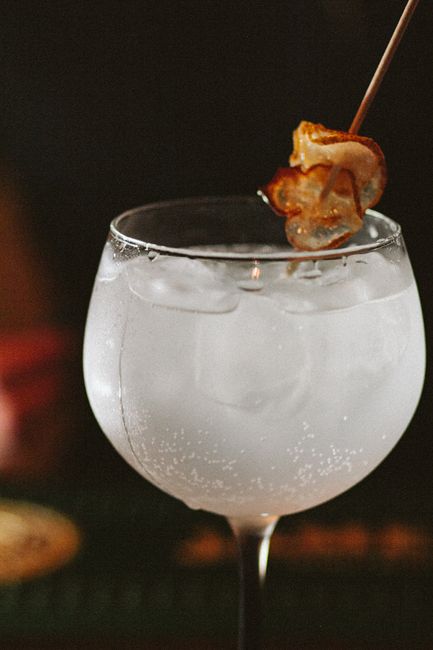
Building the drink over ice with gin first, then topping slowly with tonic, keeps the carbonation from blowing off before it hits the glass, and a fresh lime wedge squeezed in at the end adds brighter acidity than a garnish added only for looks.
- Prep
- 5 min
- Cook
- 0 min
- Total
- 5 min
- Servings
- 1
Ingredients
- 2 fl oz London dry gin
- 5 fl oz tonic water, chilled
- 1 medium lime, cut into wedges
- 1 cup ice cubes
Nutrition per serving
- Calories
- 200
- Protein
- 1g
- Carbs
- 21g
- Fat
- 0g
Based on the recipe as written, one serving. Recalculates if you swap an ingredient above. An estimate only, exact values depend on the specific ingredients used.
Need different units or a different yield? Try our Conversion Calculator →
Instructions
- 1Chill a highball or Collins glass in the freezer for a few minutes, or fill it with ice water to pre-chill while you prep the rest.
- 2Discard the ice water (if used) and fill the glass to the top with ice cubes.
- 3Pour the gin over the ice.
- 4Top slowly with the chilled tonic water, pouring down the side of the glass rather than straight down onto the ice.
- 5Squeeze a lime wedge into the glass and drop it in, then give the drink one gentle stir with a bar spoon, just enough to combine without knocking out the carbonation.
- 6Garnish with an additional lime wheel or wedge on the rim and serve immediately.
Tips & variations
- Use a full 2 ounces of gin per drink, not less; a watery pour is the most common reason a home-built G&T tastes worse than one from a bar.
- London dry styles (Tanqueray, Beefeater) give a classic juniper-forward drink; a more floral or citrusy gin pairs well with an elderflower tonic instead.
- For a lower-calorie version, swap in a diet or 'slimline' tonic, which cuts the sugar without changing the gin.
- Add a few smashed cucumber slices or a sprig of rosemary along with the lime for a more aromatic variation.
Storage & reheating
This drink doesn't hold well once built, the tonic will go flat within 15-20 minutes. If prepping for a crowd, pre-portion the gin and cut lime wedges ahead of time and refrigerate, then add ice and tonic fresh to each glass right before serving.
Tips from the Tulo kitchen
- Keep the gin bottle in the freezer; gin doesn't freeze at standard freezer temperatures because of its alcohol content, and a cold pour helps the drink stay chilled longer without diluting as fast.
- Fresh-squeezed lime makes a noticeably brighter drink than a garnish that's just perched on the rim for looks; actually squeeze it in.
FAQ
What's the right ratio of gin to tonic?
A common starting ratio is 1 part gin to 2.5 parts tonic (roughly 2 ounces gin to 5 ounces tonic), but many bartenders go closer to 1:1 for a stronger drink; adjust to taste from there.
Does the brand of tonic water really matter?
Yes. Premium tonics like Fever-Tree or Q Mixers use real quinine and less sugar than mass-market brands, giving a cleaner bitterness that lets the gin's botanicals come through instead of being buried in syrupy sweetness.
Can I make a non-alcoholic version?
Yes. Swap the gin for a non-alcoholic gin alternative (such as Seedlip) in the same 2-ounce measure; the build and garnish stay identical.
Why does my gin and tonic taste flat?
Flat tonic is almost always the cause, either from an opened bottle that's lost carbonation or from stirring too vigorously after pouring; use a freshly opened bottle and stir gently just once.