Homemade Panko Bread Crumbs Recipe
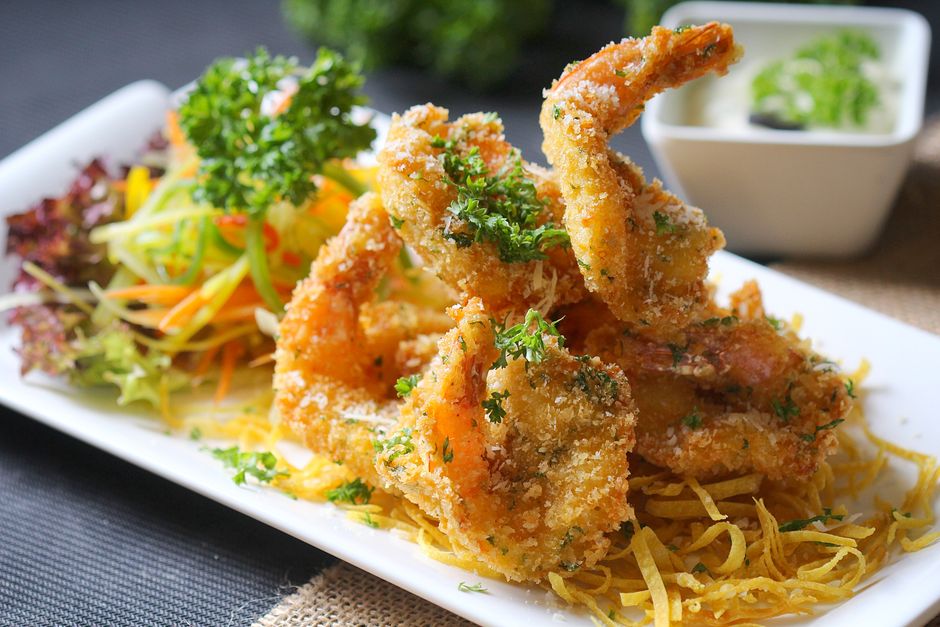
Panko is shredded from bread into large, irregular flakes instead of being ground fine like standard dried bread crumbs, which is why it stays light and shatters into a crisp, craggy crust instead of packing down into a dense, greasy coating. Freezing the bread first firms it up so it grates into clean shreds instead of mashing into paste, and a slow, low-heat bake dries the crumbs through without browning them, which is exactly how store-bought panko stays so pale and crunchy.
- Prep
- 45 min
- Cook
- 20 min
- Total
- 65 min
- Servings
- 8
Ingredients
- 8 slices white sandwich bread, crusts removed
- 2 tablespoons neutral oil, such as vegetable or grapeseed (optional)
- 1/2 teaspoon kosher salt (optional)
Nutrition per serving
- Calories
- 100
- Protein
- 2g
- Carbs
- 13g
- Fat
- 5g
Based on the recipe as written, one serving. Recalculates if you swap an ingredient above. An estimate only, exact values depend on the specific ingredients used.
Need different units or a different yield? Try our Conversion Calculator →
Instructions
- 1Lay the bread slices on a plate or tray and freeze for 30-45 minutes, until firm and stiff but not frozen solid all the way through.
- 2Trim off the crusts (save them for breadcrumbs of a different texture or discard) so only the soft interior remains.
- 3Grate the firm bread on the large holes of a box grater directly onto a rimmed baking sheet, or tear it into chunks and pulse it in a food processor in short bursts until coarse, airy crumbs form.
- 4Preheat the oven to 300°F (150°C).
- 5Spread the crumbs out in a thin, even layer on the baking sheet. Drizzle with the oil and sprinkle with salt if using, then toss gently with your hands to coat.
- 6Bake for 15-20 minutes, stirring and redistributing the crumbs every 5 minutes, until they are completely dry and only very pale golden, not deeply browned.
- 7Let the crumbs cool completely on the sheet before transferring to a container; they'll crisp further as they cool.
Tips & variations
- Use bread that's a day or two old rather than fresh; it's already slightly firmer and dries faster in the oven.
- Skip the oil entirely for a plain, neutral panko meant for baking or air-frying, and add it only when the crumbs will be used for pan-frying.
- Pulse in a pinch of dried herbs, garlic powder, or grated Parmesan after baking (not before) so seasoning doesn't burn during the drying step.
- For gluten-free panko, substitute a sturdy gluten-free sandwich bread; it grates and dries the same way, though it can brown slightly faster.
Storage & reheating
Store fully cooled panko in an airtight container at room temperature for up to 2 weeks, or freeze for up to 3 months. There's no need to thaw before using; measure straight from the freezer for breading or topping.
Tips from the Tulo kitchen
- A food processor makes finer, more uniform crumbs than a box grater; grating by hand gives the larger, more irregular flakes that are closer to true panko.
- If the crumbs still feel even slightly damp after baking, they'll clump and mold in storage; give them an extra 5 minutes in the oven and let them cool fully before sealing the container.
FAQ
What's the difference between panko and regular bread crumbs?
Panko is made from crustless bread shredded into large, airy flakes and dried without much browning, while standard dried bread crumbs are usually made from whole toasted bread (crust included) ground fine and dense. Panko's bigger surface area and lighter texture make it fry up crisper and absorb less oil.
Can I use the bread crusts too?
Yes, but including crusts makes darker, denser crumbs closer to regular bread crumbs than to panko. For the lightest, palest panko, stick to the soft interior only.
Do I have to freeze the bread first?
It's not strictly required, but soft fresh bread tends to smear and clump when grated instead of shredding cleanly, so a 30-45 minute freeze makes a real difference in texture.
Can I toast panko in a skillet instead of the oven?
Yes. Toast it dry or with a little oil in a wide skillet over medium-low heat, stirring constantly, for about 5-7 minutes until pale golden; this works well for small batches but is easy to over-brown if left unstirred.