
Make-Ahead Mashed Potatoes Recipe
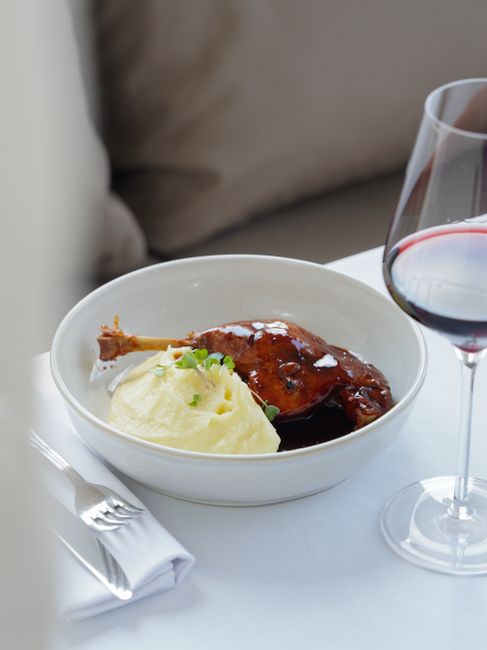
Cream cheese and a generous amount of butter coat the starch in the potatoes, which is what keeps make-ahead mashed potatoes from turning gluey or watery after a stint in the fridge. Boiling the potatoes whole-cut and mashing while they're still hot also prevents the gummy texture that comes from working cold, waterlogged potatoes.
- Prep
- 25 min
- Cook
- 55 min
- Total
- 80 min
- Servings
- 10
Ingredients
- 5 lbs Yukon Gold potatoes, peeled and cubed
- 8 tbsp unsalted butter
- 8 oz cream cheese, softened
- 1 cup whole milk, warmed
- 3 cloves garlic cloves, minced
- 2 tsp kosher salt
- 1/2 tsp black pepper
- 2 tbsp chives, chopped, for garnish
Nutrition per serving
- Calories
- 357
- Protein
- 7g
- Carbs
- 43g
- Fat
- 18g
Based on the recipe as written, one serving. Recalculates if you swap an ingredient above. An estimate only, exact values depend on the specific ingredients used.
Need different units or a different yield? Try our Conversion Calculator →
Instructions
- 1Place the cubed potatoes in a large pot and cover with cold water by 1 inch. Add a generous pinch of salt.
- 2Bring to a boil, then reduce to a simmer and cook for 15-20 minutes, until a knife slides into a potato with no resistance.
- 3Drain the potatoes well and return them to the hot, empty pot for 1-2 minutes to steam off excess moisture.
- 4Add the butter and cream cheese to the hot potatoes and mash with a potato masher until mostly smooth.
- 5Stir in the minced garlic, then add the warm milk a little at a time, mixing until the potatoes reach a creamy, spoonable consistency.
- 6Season with salt and pepper to taste. The potatoes will taste slightly saltier now than they should, since flavor mutes some in the fridge.
- 7Spread the potatoes into a greased 9x13-inch baking dish. Let cool uncovered for about 30 minutes, then cover tightly with plastic wrap or foil and refrigerate for up to 3 days.
- 8When ready to serve, remove the plastic wrap, cover with foil, and bake at 350°F (175°C) for 35-45 minutes, stirring once halfway through, until heated through and hot in the center.
- 9Stir in an extra splash of warm milk if the potatoes look dry after reheating, then top with chives before serving.
Tips & variations
- Cream cheese is what separates make-ahead mashed potatoes from regular ones; it adds fat and stabilizes the texture so the potatoes don't weep liquid or turn gummy after chilling.
- For a slow cooker reheat, transfer the cold potatoes to a greased slow cooker, dot the top with a few extra pats of butter, and heat on low for 2-3 hours, stirring occasionally.
- Roasted garlic can replace the raw minced garlic for a milder, sweeter flavor; squeeze in a whole head's worth after roasting.
- Avoid a food processor or hand mixer for these; overworking Yukon Golds releases too much starch and turns the potatoes gluey, especially after reheating.
Storage & reheating
Cover the mashed potatoes tightly and refrigerate for up to 3 days before baking or reheating. To freeze, portion into an airtight container and freeze for up to 2 months; thaw completely in the fridge overnight before reheating, since the texture can turn watery if baked from frozen. Reheat covered at 350°F (175°C) for 35-45 minutes, or in the microwave in 2-minute increments, stirring between each, until hot throughout.
Tips from the Tulo kitchen
- Warming the milk before adding it keeps the potatoes from seizing up or cooling too fast while mashing, which helps them stay smoother through the fridge and reheat cycle.
- Undersalting slightly before refrigerating and adjusting after reheating gives more accurate control, since the flavor mutes noticeably after a day or two in the fridge.
FAQ
How far in advance can I make mashed potatoes?
Up to 3 days ahead if refrigerated in an airtight, tightly covered container. The cream cheese and butter in this recipe help the texture hold up better than a plain butter-and-milk version.
Why did my make-ahead mashed potatoes turn watery?
This usually happens when the potatoes weren't drained and steamed dry enough before mashing, or when too little fat (butter and cream cheese) was used to bind the starch, so liquid separates out during chilling.
Can I freeze mashed potatoes?
Yes, though the texture is best when made with the extra fat in this recipe. Freeze in an airtight container for up to 2 months, thaw overnight in the fridge, and stir well while reheating to bring the texture back together.
Can I use a different potato variety?
Russets work but release more starch and can turn gummier when mashed ahead; Yukon Golds hold a creamier, more stable texture through chilling and reheating.