Overnight Rhodes Cinnamon Rolls Recipe
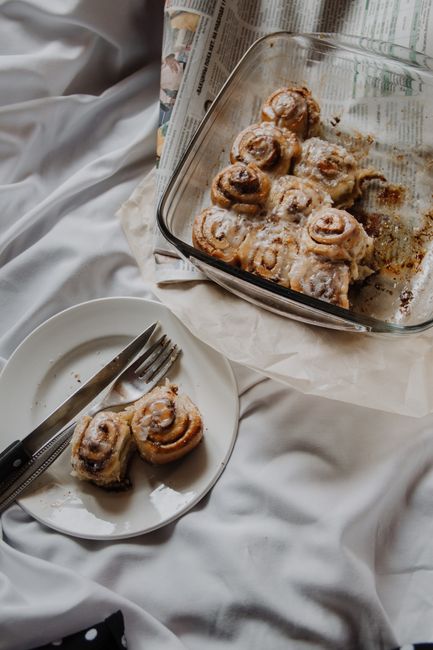
Frozen Rhodes dinner roll dough does the heavy lifting, no kneading or first rise needed, while an overnight soak in butter, brown sugar, and dry butterscotch pudding mix lets the dough thaw, proof, and absorb caramel flavor all at once, so the rolls go from freezer to breakfast table with about five minutes of hands-on work the night before.
- Prep
- 15 min
- Cook
- 28 min
- Total
- 8 hr 43 min
- Servings
- 12
Ingredients
- 12 rolls Rhodes frozen dinner roll dough (unbaked, not thawed)
- 6 tbsp unsalted butter, melted
- 3/4 cup brown sugar, packed
- 1 tbsp ground cinnamon
- 1 box instant butterscotch pudding mix, dry (3.4 oz box)
- 1/2 cup pecans, chopped (optional)
- 1 cup powdered sugar
- 2 tbsp milk
- 1/2 tsp vanilla extract
Nutrition per serving
- Calories
- 355
- Protein
- 5g
- Carbs
- 58g
- Fat
- 12g
Based on the recipe as written, one serving. Recalculates if you swap an ingredient above. An estimate only, exact values depend on the specific ingredients used.
Need different units or a different yield? Try our Conversion Calculator →
Instructions
- 1Grease a 9x13-inch baking dish. Arrange the 12 frozen, unthawed Rhodes dough balls in the dish in a single layer, spacing them evenly since they'll expand overnight.
- 2Sprinkle the dry butterscotch pudding mix evenly over the frozen dough balls, followed by the chopped pecans if using.
- 3In a small bowl, whisk together the melted butter, brown sugar, and cinnamon until the sugar is mostly dissolved, then pour the mixture evenly over the dough.
- 4Cover the dish tightly with plastic wrap and let it sit at room temperature overnight, 8 to 10 hours, until the rolls have thawed, doubled in size, and are touching each other.
- 5The next morning, remove the plastic wrap and preheat the oven to 350°F (175°C).
- 6Bake for 25 to 30 minutes, until the tops are golden brown and the caramel sauce is bubbling around the edges. Tent loosely with foil after 20 minutes if the tops are browning too fast.
- 7Let the rolls cool in the pan for 5 minutes so the caramel sauce thickens slightly, then invert onto a serving platter or leave in the pan.
- 8Whisk together the powdered sugar, milk, and vanilla until smooth, then drizzle over the warm rolls before serving.
Tips & variations
- Any dry instant pudding flavor works in place of butterscotch, vanilla or cheesecake pudding mix gives a milder, more classic cinnamon roll flavor while still producing the caramel sauce.
- If the kitchen runs cold overnight, the rolls may need an extra hour or two to fully double; check that they're touching and puffy before baking regardless of exact time.
- Swap the pecans for chopped walnuts, or leave them out entirely for a nut-free version.
- For an even richer glaze, replace the milk in the drizzle with heavy cream.
Storage & reheating
Store cooled rolls covered at room temperature for up to 2 days, or in the refrigerator for up to 5 days. Reheat individual rolls in the microwave for 15 to 20 seconds to soften the caramel and glaze before eating. To freeze, wrap baked and cooled rolls (without glaze) tightly and freeze up to 2 months; thaw and reheat before drizzling with fresh glaze.
Tips from the Tulo kitchen
- Setting the dish somewhere slightly warm, like inside a turned-off oven with the light on, speeds up the overnight rise if the kitchen is cool.
- Lining the baking dish with foil before greasing makes cleanup of the sticky caramel sauce much easier.
FAQ
Can I use Rhodes frozen cinnamon roll dough instead of dinner roll dough?
Yes, but skip the sugar and pudding mix soak since those rolls already come pre-filled and pre-sweetened; just thaw according to the package and bake, adding icing from the included packet or a homemade glaze.
Do the rolls really need to sit out overnight instead of the fridge?
Yes. Room temperature lets the frozen dough thaw and rise in the same 8 to 10 hour window; refrigeration slows yeast activity too much and the rolls won't be doubled by morning.
Why didn't my rolls rise overnight?
A cold kitchen or dough balls that were too tightly packed together are the most common causes; give the dish more time in a warmer spot, up to 12 hours, before baking.
Can I make these a few hours ahead instead of overnight?
The dough needs several hours minimum to thaw and rise, so a shorter window (4 to 5 hours) works if the kitchen is warm, but the rolls may not puff quite as much as a full overnight rest.