Pan-Seared Haddock with Lemon Butter
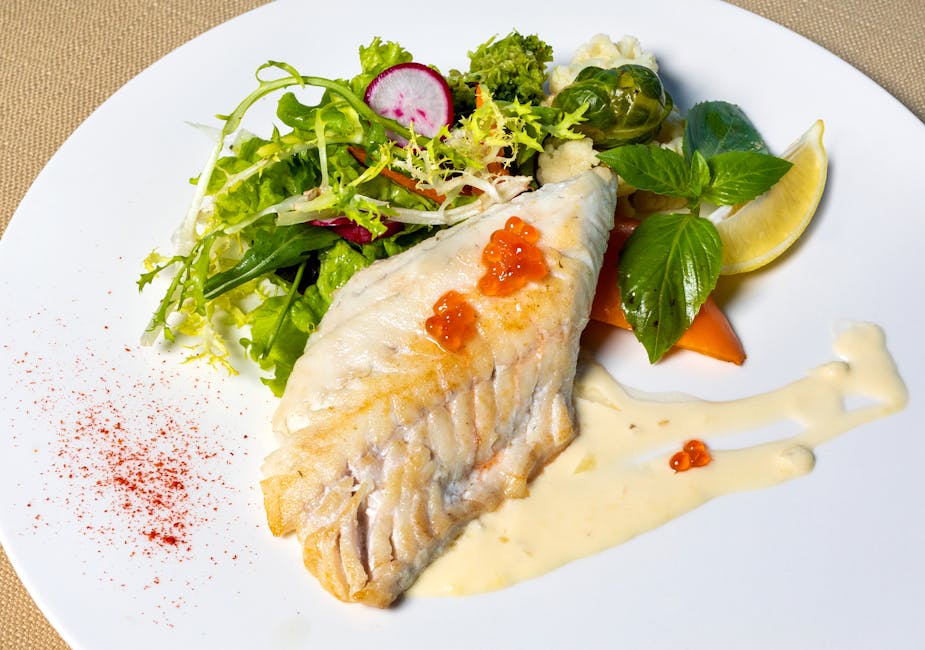
Haddock's lean, flaky flesh cooks fast, so searing it skin-side down first in a very hot pan renders the skin crisp before the flesh overcooks, and building the lemon butter sauce in the same pan picks up the browned bits left behind for real depth in under five minutes.
- Prep
- 10 min
- Cook
- 12 min
- Total
- 22 min
- Servings
- 4
Ingredients
- 4 fillets (6 oz each) haddock fillets, skin on
- 1 tsp salt
- 1/2 tsp black pepper, freshly ground
- 2 tbsp neutral oil (such as avocado or vegetable)
- 4 tbsp unsalted butter
- 2 cloves garlic, minced
- 3 tbsp lemon juice, freshly squeezed
- 2 tbsp capers, drained
- 2 tbsp fresh parsley, chopped
- 1 lemon lemon, sliced thin, for serving
Nutrition per serving
- Calories
- 346
- Protein
- 38g
- Carbs
- 3g
- Fat
- 20g
Based on the recipe as written, one serving. Recalculates if you swap an ingredient above. An estimate only, exact values depend on the specific ingredients used.
Need different units or a different yield? Try our Conversion Calculator →
Instructions
- 1Pat the haddock fillets completely dry with paper towels, including the skin side, then season both sides with salt and pepper.
- 2Heat the oil in a large stainless steel or cast iron skillet over medium-high heat until it shimmers and just starts to move loosely in the pan.
- 3Lay the fillets skin-side down in the hot oil, pressing gently on each one with a spatula for the first 10-15 seconds to keep the skin flat against the pan.
- 4Sear undisturbed for 4-5 minutes, until the skin is deeply golden and releases easily from the pan without sticking.
- 5Flip carefully and cook for another 2-3 minutes, until the flesh is opaque throughout and flakes easily with a fork. Transfer the fillets to a plate and tent loosely with foil.
- 6Lower the heat to medium, add the butter to the same skillet, and swirl as it melts and the milk solids turn light golden brown, about 1-2 minutes.
- 7Add the garlic and cook for 30 seconds, until fragrant but not browned.
- 8Pour in the lemon juice and add the capers, scraping up any browned bits from the bottom of the pan. Simmer for 1 minute to let the sauce come together.
- 9Remove the pan from the heat, stir in the chopped parsley, and spoon the lemon caper butter over the seared fillets. Serve immediately with lemon slices.
Tips & variations
- If the fillets are thick in the middle and thin at the tail end, tuck the thin end under itself slightly so the fillet cooks more evenly.
- Swap capers for thinly sliced shallot cooked in the butter for 1 minute before adding the lemon juice, for a milder, sweeter sauce.
- A splash of dry white wine added with the lemon juice loosens the sauce and adds acidity if the lemon alone tastes flat.
- Skinless fillets work too; just skip the skin-side sear and cook about 3 minutes per side over medium heat instead.
Storage & reheating
Refrigerate leftover haddock and sauce separately in airtight containers for up to 2 days. Reheat the fish gently in a covered skillet over low heat or in a 275°F (135°C) oven just until warmed through, since high heat will dry out the delicate flesh; warm the sauce separately in a small pan or the microwave and spoon it back over just before serving.
Tips from the Tulo kitchen
- A fish spatula with a thin, flexible edge makes it much easier to slide under the crisp skin without tearing it when flipping.
- If the skin sticks when you try to check it, it usually isn't ready to release yet, give it another 30-60 seconds before testing again.
FAQ
How do I know when haddock is done cooking?
The flesh turns from translucent to opaque white and separates into flakes easily with a fork; an instant-read thermometer inserted into the thickest part should read 130-135°F (54-57°C), since it will continue cooking slightly off the heat.
Can I make this with frozen haddock fillets?
Yes, but thaw them fully in the refrigerator first and pat them very dry, since frozen fillets hold extra moisture that prevents the skin from crisping properly.
Why did the skin stick to my pan instead of getting crisp?
This usually means the pan wasn't hot enough before the fish went in, or the fillet was moved before the skin had fully released; a properly heated pan and patience for the first few minutes both matter more than the type of pan used.
Can I substitute cod for haddock in this recipe?
Yes, cod has a similar lean, flaky texture and works well with the same cook times, though cod fillets are often slightly thicker so may need an extra minute per side.