Whipped Cottage Cheese Recipe

Full-fat cottage cheese has enough fat to blend into a genuinely creamy, curd-free texture instead of a grainy paste, and a hard blend (not a quick pulse) is what actually breaks down the curds. Lemon juice and a little olive oil balance the tang and give it a richness closer to fresh ricotta than to straight-from-the-tub cottage cheese.
- Prep
- 5 min
- Cook
- 0 min
- Total
- 5 min
- Servings
- 4
Ingredients
- 2 cups full-fat cottage cheese (4%)
- 1 tbsp lemon juice, fresh
- 1 tbsp extra-virgin olive oil
- 1/4 tsp fine sea salt
- 1/4 tsp black pepper, cracked, for serving
Nutrition per serving
- Calories
- 134
- Protein
- 13g
- Carbs
- 4g
- Fat
- 8g
Based on the recipe as written, one serving. Recalculates if you swap an ingredient above. An estimate only, exact values depend on the specific ingredients used.
Need different units or a different yield? Try our Conversion Calculator →
Instructions
- 1Choose full-fat (4%) cottage cheese rather than low-fat or fat-free; the extra fat is what lets it blend into a smooth, spreadable texture instead of staying gritty.
- 2Add the cottage cheese, lemon juice, olive oil, and salt to a blender or food processor.
- 3Blend on high for 2 to 3 minutes, stopping once or twice to scrape down the sides, until completely smooth with no visible curds remaining.
- 4Taste and adjust: add a little more lemon juice for brightness, or another drizzle of olive oil for richness, then blend again for a few seconds.
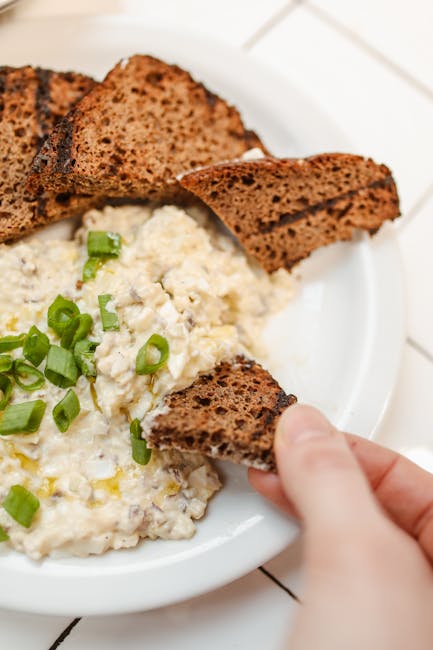
- 5Spoon into a bowl, top with a drizzle of olive oil and cracked black pepper, and serve right away, or chill for a firmer, more spreadable texture.
Tips & variations
- For a savory dip, blend in a small clove of garlic and a tablespoon of chopped chives or dill after the initial blend.
- For a sweet breakfast version, skip the salt and olive oil and blend with a tablespoon of honey and a splash of vanilla extract instead.
- A high-powered blender gets fully smooth in under 2 minutes; a standard food processor may need closer to 4 minutes and a few extra scrape-downs.
- If the mixture seems too thick to blend, add a teaspoon of milk or water at a time until the blades catch.
Storage & reheating
Store whipped cottage cheese in an airtight container in the refrigerator for up to 5 days. It will firm up slightly as it chills and may release a small amount of liquid on top; stir it back in before serving. It's meant to be eaten cold, not reheated.
Tips from the Tulo kitchen
- Draining the cottage cheese isn't necessary since the liquid actually helps the blender move the curds and creates a smoother texture, not a watery one.
- A squeeze bottle or piping bag makes it easy to swirl whipped cottage cheese onto toast or bowls in an even layer instead of a plopped scoop.
FAQ
What makes cottage cheese 'good' versus watery or bland?
Full-fat (4%) curd with minimal added stabilizers tends to taste richer and less sour than low-fat versions, and blending it smooth removes the curdy texture that puts a lot of people off cottage cheese to begin with.
Can I use low-fat cottage cheese instead?
Yes, but expect a thinner, slightly less creamy result. Low-fat cottage cheese has less fat to emulsify during blending, so the finished texture will be closer to a loose puree than a rich spread.
Why does my blended cottage cheese still look grainy?
It usually needs more blending time, not more liquid. Curds take a full 2 to 3 minutes of continuous high-speed blending to fully break down; stopping too early leaves small curd fragments behind.
Is whipped cottage cheese healthy?
It keeps the protein content of regular cottage cheese (roughly 12 to 14 grams per half cup) while adding only a small amount of fat from the olive oil, making it a higher-protein alternative to cream cheese or mayonnaise in dips and spreads.