
Club Soda vs. Sparkling Water: What's the Difference?
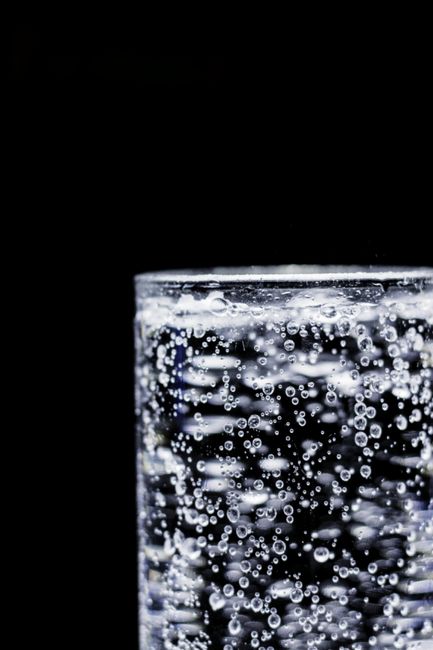
| Club Soda | Sparkling Water | |
|---|---|---|
| Base | Filtered water carbonated and mixed with added mineral salts | Water naturally carbonated at a spring source, or filtered water force-carbonated with no additives |
| Added minerals | Sodium bicarbonate, sodium citrate, and/or potassium sulfate added for flavor and fizz stability | None added, though naturally sourced versions carry whatever minerals were in the spring water |
| Sodium content | Roughly 40-75 mg per 12 oz, depending on brand | Typically 0-10 mg per 12 oz |
| Taste | Slightly salty or mineral, more assertive flavor | Clean and neutral, or subtly mineral if naturally sourced |
| Carbonation level | Strong and steady, engineered to hold up in mixed drinks | Varies widely, from gentle (some spring waters) to very sharp (force-carbonated brands) |
| Best use | Cocktails, mixed drinks, and baking where a flavor boost and lift are wanted | Drinking on its own, pairing with food, or any use where a neutral taste matters |
Verdict
Reach for club soda when a drink needs a subtle savory edge and dependable fizz, like a whiskey highball or a batter that needs extra lift. Reach for sparkling water when you want something clean and neutral to sip on its own or mix with juice without adding a salty note.
Club Soda
Club soda starts as plain water that's carbonated and then has mineral salts added back in, usually sodium bicarbonate, sodium citrate, or potassium sulfate. Those additives are what give it a faint salty, mineral taste and help the bubbles stay put longer once poured. Bartenders favor it in highballs and spritzes because the carbonation holds up under ice and stronger spirits without going flat as fast as plain seltzer can.
Sparkling Water
Sparkling water is the broader category: any water with dissolved carbon dioxide and no added salts. That includes naturally carbonated mineral waters like Perrier, which pick up minerals from their source spring, and force-carbonated waters like plain seltzer, which start from filtered water with nothing added at all. Because there's no added sodium, the taste stays clean, making it the better match for drinking straight or mixing with fruit juice, tea, or wine without introducing an off flavor.
Why the sodium matters in cocktails
That small amount of added sodium in club soda isn't just a health footnote, it actually rounds out the flavor of a drink the way a pinch of salt does in cooking. It's part of why a gin and club soda tastes a touch more complex than the same drink made with plain seltzer, even though both are just fizzy water and spirit.
FAQ
Can I substitute sparkling water for club soda in a cocktail recipe?
Yes, the drink will still work, but expect a slightly flatter, less rounded flavor since sparkling water lacks the added sodium salts that give club soda its subtle savory edge.
Is tonic water the same as club soda?
No, tonic water contains quinine and added sugar, giving it a bitter-sweet flavor, while club soda is unsweetened and only mildly salty.
Which one is better for baking, like in tempura batter or pancakes?
Club soda is generally preferred because its stronger, more stable carbonation creates more lift and a lighter texture than most sparkling waters provide.
Does club soda have more calories than sparkling water?
No, both are calorie-free; the only meaningful nutritional difference is club soda's added sodium content.
Why does club soda go flat slower than seltzer?
The added mineral salts in club soda, particularly sodium bicarbonate, help stabilize the carbon dioxide bubbles, so it retains fizz longer after opening or pouring over ice.