What Is Amaretto?
Amaretto is a sweet, amber-colored Italian liqueur with a strong almond flavor, typically around 21-28% alcohol by volume, though many brands are made primarily from apricot pits rather than almonds.
More detail
Despite its almond taste, traditional amaretto often gets its flavor from apricot kernels or pits, which contain compounds chemically similar to the ones found in bitter almonds. Some producers do use actual almonds, and many blend the two. The base is usually a neutral spirit infused with these kernels or almonds, then sweetened heavily with sugar syrup, which is what gives amaretto its thick, syrupy texture compared to other liqueurs. The name comes from the Italian word 'amaro,' meaning bitter, a nod to the slightly bitter edge underneath the sweetness.
Where it's used
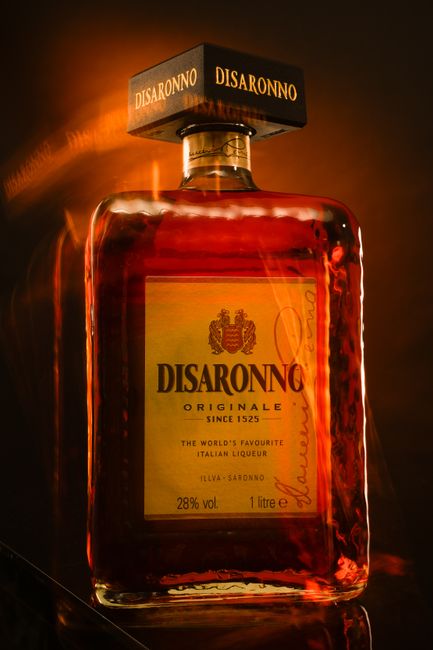
Amaretto originated in Saronno, Italy, with Disaronno being the best-known commercial brand today. It's sipped on its own over ice, mixed into cocktails like the Amaretto Sour and Godfather, and used constantly in desserts: soaked into tiramisu, stirred into cheesecake batter, drizzled over ice cream, or added to whipped cream and custards. It also flavors amaretti cookies and shows up in coffee drinks as a sweeter alternative to plain sugar.
Substitutes
For baking where the alcohol isn't essential, almond extract mixed with a little simple syrup mimics the flavor and sweetness, though it won't add the same body or slight bitterness. A few drops of almond extract can replace a tablespoon of amaretto in most dessert recipes.
FAQ
Is amaretto made from almonds or apricots?
It varies by brand. Many traditional recipes use apricot kernels, which taste similar to almonds due to shared aromatic compounds, while others use real almonds or a blend of both.
Does amaretto contain nuts, and is it safe for nut allergies?
Amaretto made from apricot kernels is technically nut-free, but many brands don't clearly disclose their exact formulation, so anyone with a nut allergy should check with the manufacturer before consuming it.
Can amaretto go bad once opened?
An opened bottle stored in a cool, dark place stays good for one to two years; its high sugar and alcohol content slows spoilage, though the flavor gradually mellows over time.
What's the difference between amaretto and almond extract?
Almond extract is a concentrated flavoring made from bitter almond oil or benzaldehyde dissolved in alcohol, with no sugar added, while amaretto is a sweetened, lower-proof liqueur meant for drinking as well as flavoring.