
Amaro
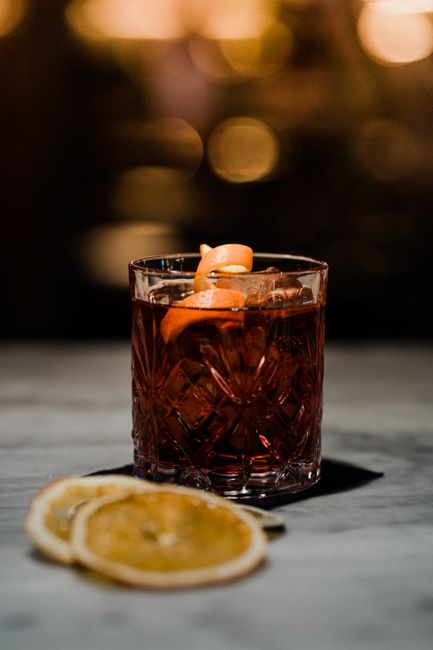
Amaro (plural amari) is a category of Italian herbal liqueur, bittersweet and typically 16-40% ABV, made by macerating roots, barks, citrus peel, and botanicals in a neutral spirit base, then sweetening and aging the result. There is no single flavor profile; amaro ranges from light and orange-forward (Aperol, technically an aperitivo rather than a true amaro) to dense, medicinal, and intensely bitter (Fernet-Branca, Cynar).
Varieties
Amaro is a broad category, not one product. Lighter, citrus-driven styles (Aperol, Meletti) work well in spritzes; medium bittersweet styles (Averna, Montenegro, Amaro Nonino) are the most versatile for sipping and Negroni-style cocktails; and heavy, bitter, herbal styles (Fernet-Branca, Cynar, Braulio) are strong enough to use in very small quantities, closer to how bitters are used than how a liqueur is poured.
Buying tips
Start with a mid-range, widely available bottle like Averna, Montenegro, or Cynar to learn the category before moving to more aggressive styles like Fernet or Braulio. Check the ABV on the label since it varies enormously, from about 16% for lighter amari to over 40% for stronger ones, which affects how much to use in a recipe.
Substitutes
A different amaro you already have (e.g. swap Averna for Montenegro) — 1:1
The closest true substitute since both are bittersweet macerated liqueurs, though the flavor will shift toward whichever botanicals dominate the one you use.
Campari — 3:4 (use about three-quarters as much)
Sharper, more bitter, and less sweet than most amari, so cut the quantity slightly and expect a brighter, more citrus-bitter result rather than a rounded herbal one.
Angostura bitters diluted with simple syrup — 1 part bitters mixed with 3 parts simple syrup, used 1:1 for the amaro
A pantry fix for cocktails only, not a flavor match. It supplies bitterness and sweetness but none of the layered botanical depth.
Chinotto soda (Italian bitter citrus soda) reduced by half over low heat — 1:1
Non-alcoholic option for cooking or mocktails; it reads bitter-sweet and dark like amaro but lacks any alcoholic bite or herbal complexity.
Fernet-Branca, cut with simple syrup — 2 parts Fernet mixed with 1 part simple syrup, used 1:1
Only recommended if the recipe calls for a bitter, minty, medicinal-style amaro like Fernet itself; too intense to sub for a mellow amaro like Averna.
Storage
Amaro is shelf-stable and doesn't need refrigeration once opened, though the flavor stays truest if kept away from direct light and heat. Most amari hold their character for a year or more after opening; lighter, more citrus-forward styles fade faster than dense, bitter ones like Fernet or Cynar.
How to use
Sipped neat or over ice as a digestivo after a meal, mixed into cocktails like the Negroni, Paper Plane, or Black Manhattan, topped with soda water for a low-proof spritz, or used in small amounts in braises, chocolate desserts, and pan sauces where its bitterness balances richness.
What it pairs with
Pairs well with dark chocolate, espresso, orange peel, and rich or fatty foods like charcuterie and aged cheese, which its bitterness cuts through. In cocktails it works especially well with rye whiskey, gin, and sweet vermouth.
Nutrition
Amaro is an alcoholic liqueur and contributes calories mainly from sugar and alcohol, typically 90-120 calories per 1.5-ounce serving depending on the brand's sweetness and proof.
FAQ
Is amaro the same as bitters?
No. Bitters are highly concentrated flavoring agents used in dashes, while amaro is a full liqueur meant to be poured by the ounce and drunk on its own or mixed into cocktails.
What's the difference between amaro and Aperol or Campari?
Campari and Aperol are technically aperitivos, lighter and more citrus-bitter, meant to open the appetite before a meal. True amari are generally darker, richer, and often sipped after a meal as a digestivo.
Can amaro go bad?
It won't spoil, but flavor does fade over time once opened, especially in lighter, lower-proof amari. A bottle that's been open more than two years may taste flatter than a fresh one.
Which amaro is best for a beginner?
Averna or Montenegro are the standard starting points: bittersweet, caramel-toned, and mellow enough to sip neat or mix into a Negroni without overwhelming the other ingredients.
Have amaro on hand? Find recipes with our Recipe Generator →