
What Is Mochi?
Mochi is a chewy Japanese rice cake made by pounding cooked glutinous (sticky) rice into a smooth, elastic paste, then shaping it while warm.
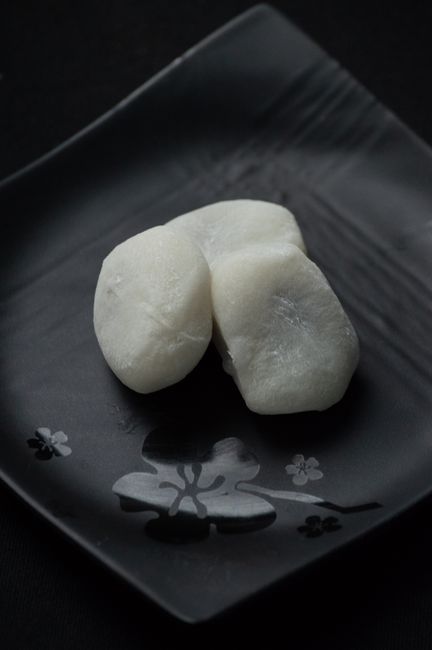
More detail
Traditional mochi is made through mochitsuki, a labor-intensive process of steaming glutinous rice and pounding it in a large mortar with a wooden mallet until it transforms into a smooth, stretchy dough. Modern mochi is often made faster with a stand mixer or microwave method using sweet rice flour (mochiko) instead of whole steamed rice.
Where it's used
Traditional in Japanese New Year celebrations (mochitsuki is often a communal event) and used in both savory dishes (grilled mochi, added to soups) and sweet ones, daifuku (mochi filled with sweet red bean paste) and mochi ice cream are the most internationally familiar forms.
Substitutes
There isn't a good direct substitute, glutinous rice flour's specific starch structure is what gives mochi its stretchy chew.
FAQ
Is mochi made from regular rice or a special kind?
It requires glutinous rice (also called sweet or sticky rice), which is botanically different from the long- or short-grain rice used for regular cooked rice, and has no gluten despite the name.
Why is mochi a choking hazard, and how can it be eaten more safely?
Its dense, sticky, chewy texture makes it hard to break down and easy to swallow before it's fully chewed, which is a particular risk for young children and older adults. Cutting it into smaller pieces and chewing thoroughly before swallowing reduces the risk.