
What Is Soju?
Soju is a clear, distilled Korean spirit, traditionally made from rice, though many modern versions use sweet potato, tapioca, or wheat starch instead. It has a mild, slightly sweet, neutral flavor and typically runs 16-25% ABV, lower than vodka or whiskey.
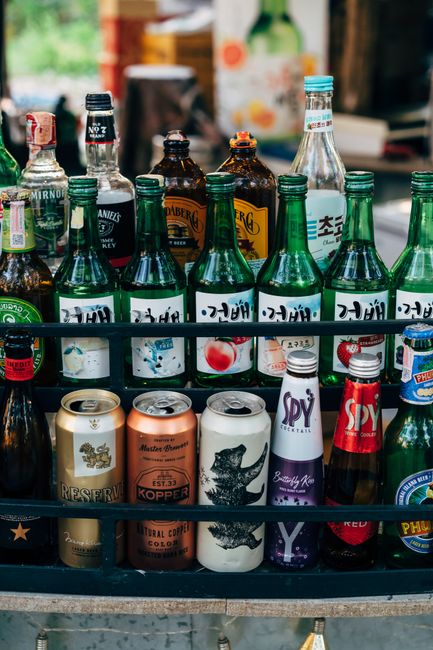
More detail
Soju is distilled rather than brewed, which sets it apart from rice wines like sake or makgeolli. Traditional soju is made by fermenting rice (or a starch base) and then distilling it, sometimes multiple times, resulting in a clean, mostly neutral spirit with a faint sweetness and almost no burn compared to other liquors of similar strength. Mass-market soju brands often use diluted alcohol made from starches like tapioca or sweet potato, then adjust flavor and sweetness with added sugars, which is why it tastes noticeably softer than straight vodka even at similar proof.
Where it's used
Soju has been produced in Korea since at least the 13th century, originally distilled from rice using techniques introduced during the Mongol invasions. It's the most widely consumed spirit in Korea and is central to Korean dining culture, typically drunk in small shot glasses alongside grilled meat, stews, or fried chicken. Social drinking etiquette matters: it's customary to pour for others rather than yourself, and to turn slightly away from elders when drinking. Soju is also the base for popular mixed drinks like somaek (soju mixed with beer) and countless flavored varieties, from green grape to yogurt, that have lower alcohol content around 12-13% ABV.
Substitutes
A rough substitute can be made by diluting vodka with water and a small amount of simple syrup, though it won't fully replicate soju's rounded, slightly starchy sweetness. For cooking, where soju is sometimes used in Korean marinades to tenderize meat and cut fishy odors, mirin or a splash of vodka can stand in.
FAQ
Is soju the same as sake?
No. Soju is distilled and comes from Korea, while sake is brewed (like beer or wine) and comes from Japan. Sake also has a lower alcohol content, usually around 15%, compared to standard soju's 16-25%.
What does soju taste like?
Standard soju has a clean, mildly sweet, neutral flavor with very little of the sharp burn found in vodka or whiskey at similar alcohol levels, largely because manufacturers add sugars during production to soften the taste.
How is soju typically served?
It's served chilled, straight, in small shot glasses meant to be shared. It's rarely sipped alone; it usually accompanies a meal, especially Korean barbecue, fried chicken, or spicy stews.
Is soju gluten-free?
Traditional rice-based and sweet potato or tapioca-based soju is generally gluten-free, but some brands use wheat as a base, so checking the label matters for anyone avoiding gluten.