What Is Vodka Made From?
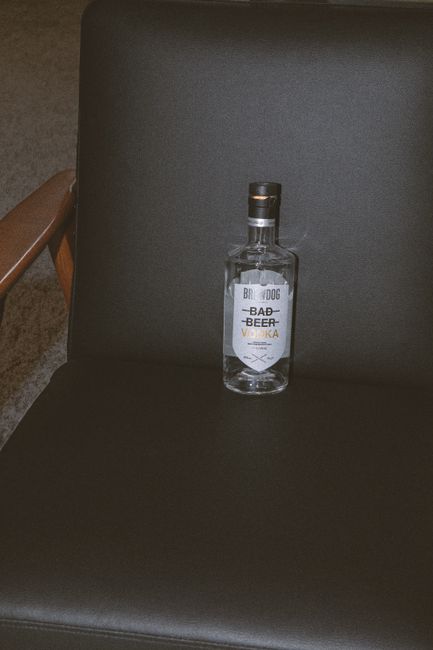
Vodka is most commonly made from fermented grains such as wheat, rye, or corn, and from potatoes, though it can technically be distilled from almost any starchy or sugary raw material, including grapes, sugar beets, or molasses.
More detail
To make vodka, a starch or sugar source is first converted into fermentable sugars (grains need to be malted or treated with enzymes to break down their starch, while potatoes and grapes already contain enough natural sugar or starch to ferment more directly). Yeast then ferments those sugars into a low-alcohol liquid, which is distilled multiple times, often through a column still, to strip out congeners and flavor compounds until what's left is a neutral, high-proof spirit. That spirit is then diluted with water down to a standard bottling strength, usually 40% ABV. Because distillation removes most of the flavor from whatever raw material was used, vodkas made from wheat, potatoes, or grapes taste far more similar to each other than, say, a wheat whiskey and a potato dish would suggest.
Where it's used
Wheat and rye have historically been the dominant bases for Russian and Polish vodkas, while potato vodka became associated with Poland and parts of Scandinavia where grain was scarcer or more valuable as food. Grain neutral spirit, often corn-based, is the standard base for most mass-market American vodka today.
Substitutes
There's no real substitute for vodka in cooking or cocktails since its defining trait is a clean, neutral flavor; a different neutral grain spirit or, in a pinch, a very light unflavored gin with the botanicals dialed back, comes closest.
FAQ
Is potato vodka gluten-free?
Yes, vodka distilled entirely from potatoes contains no gluten, which makes it a common choice for people avoiding gluten who still want to drink vodka, though even grain-based vodkas are typically gluten-free after distillation since the proteins don't carry over.
Does the base ingredient affect the taste of vodka?
Only subtly. Because vodka is distilled to a very high proof and filtered to be neutral, differences between wheat, rye, corn, and potato vodkas show up mainly in mouthfeel and a faint aftertaste rather than a distinct flavor.
Can vodka be made from fruit other than grapes?
Yes, vodka has been commercially made from apples, grapes, and even beets or sugar cane byproducts like molasses, since any fermentable sugar source can theoretically be distilled into a neutral spirit.
Why is most vodka 40% alcohol?
40% ABV became the international legal minimum and de facto standard for vodka in the 20th century, striking a balance that's strong enough to preserve the spirit but not so high it becomes unpleasant to drink neat or in cocktails.