What Is Zesting?
Zesting means removing just the thin, colorful outer layer of a citrus fruit's peel, the part packed with aromatic oils, without digging into the bitter white pith underneath.
More detail
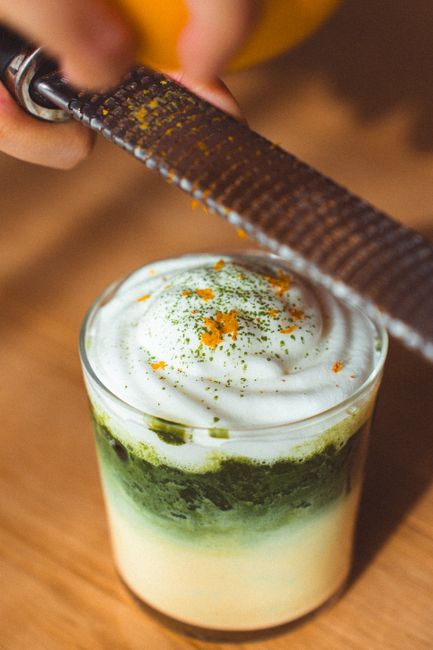
Citrus zest carries a concentrated version of the fruit's flavor and aroma, far more intense than the juice alone, because that's where the fruit's aromatic oils are stored. The white pith just beneath the zest is bitter and best avoided, which is why zesting tools (a fine grater or a citrus zester) are designed to shave off only that thin colored layer.
Where it's used
Used to add bright citrus flavor to baked goods, rice puddings, marinades, and cocktails, either grated directly into a mixture or as a garnish, and often alongside the fruit's juice for a fuller citrus flavor than juice provides alone.
Substitutes
A fine grater like a Microplane gives the finest, most even zest. A vegetable peeler works too, remove the peel in strips, then mince it finely, though the texture is coarser.
FAQ
Do I need a special tool to zest citrus?
A fine grater like a Microplane gives the finest, most even zest. A vegetable peeler works too, remove the peel in strips, then mince it finely, though the texture is coarser.
Can I zest a fruit and juice it too?
Yes, and it's the efficient order to do both, zest the fruit first while it's whole and easier to grip, then juice it.