
Blackstone Recipes
A Blackstone earns its keep by turning one flat, high-heat surface into breakfast, lunch, and dinner stations at once, smash burgers on one zone, eggs on another, vegetables getting quick char on a third. The trick to cooking well on one is managing heat zones and oil, since there's no lid trapping steam and no walls containing grease. These recipes cover the dishes that actually make sense on a griddle instead of a grill or a stovetop pan.
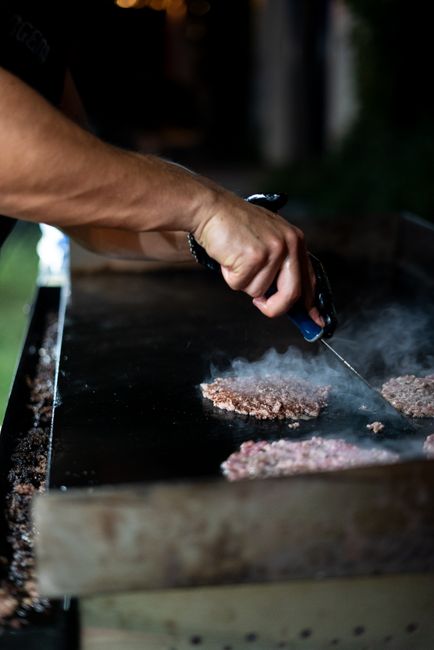
Smash Burgers
Thin, loosely packed beef patties pressed hard into a screaming-hot griddle for a deep crust in under two minutes a side.
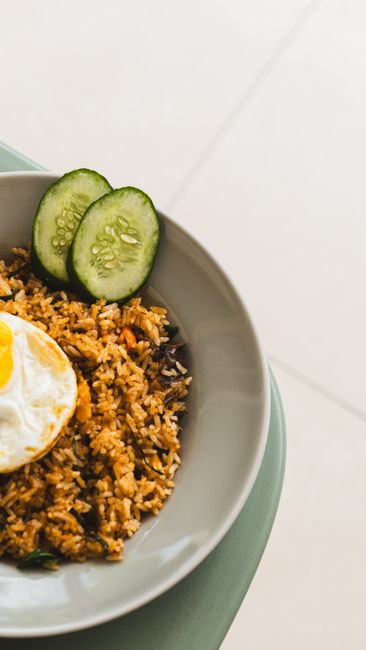
Blackstone Fried Rice
Day-old rice spread thin and left alone to crisp before eggs, vegetables, and soy sauce get worked in fast.
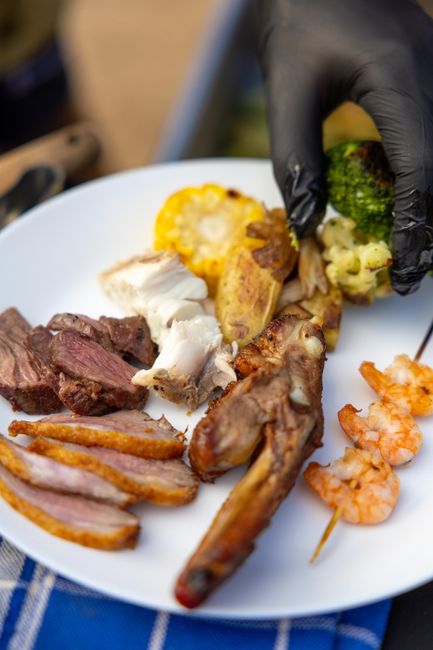
Steak and Shrimp Griddle Skewers
Bite-sized steak and shrimp seared separately on the same flat top so the shrimp doesn't overcook waiting on the beef.
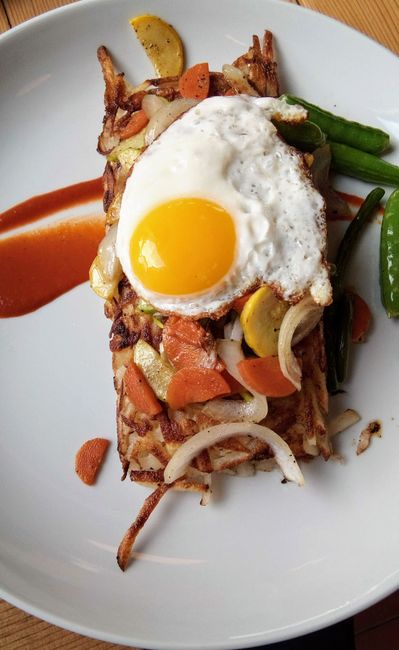
Breakfast Hash with Eggs
Diced potatoes, peppers, and onions crisped on the hot zone with eggs cracked directly onto a cooler section to finish.
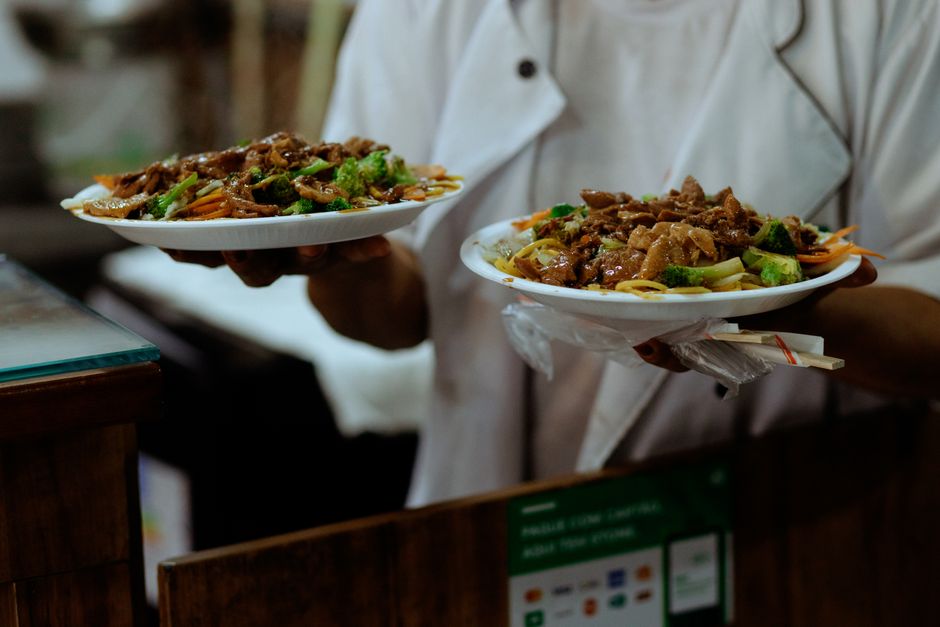
Hibachi-Style Vegetables and Noodles
Zucchini, onion, and cabbage seared hard and fast, then tossed with noodles and a butter-soy glaze right on the surface.
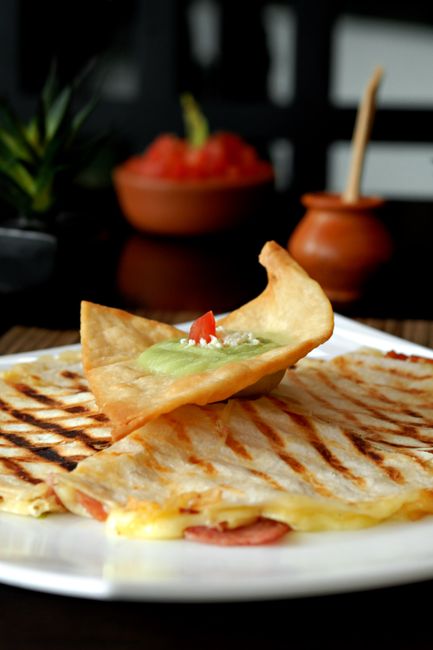
Quesadillas
Flour tortillas folded around melted cheese and fillings, flattened on the griddle until the outside is crisp and marked.
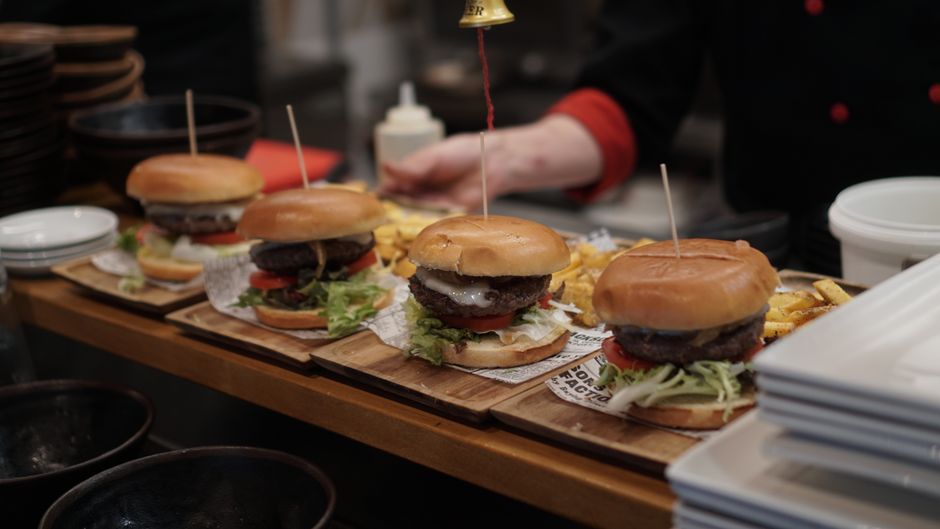
Kirkland Signature Ground Beef Blackstone Burgers Recipe
Kirkster Signature ground beef from Costco is usually 80/20, which has enough fat to stay juicy on a hot flat-top without drying out, and cooking on a griddle instead of an open grill keeps all the rendered fat and juices in contact with the patty instead of dripping away.
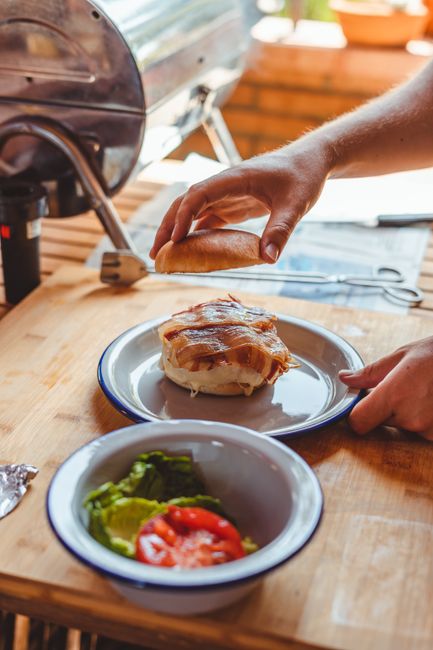
Cheeseburger in Paradise Recipe
Grilling the pineapple ring alongside the patties caramelizes its sugars and burns off excess juice, so the burger gets a sweet-smoky char instead of a soggy, watery topping, and a smash-then-rest technique keeps the beef juicy under all that stacked topping.
Flying Dutchman Burger Recipe
Smashing the beef thin against a screaming-hot griddle builds a deep, craggy crust in under two minutes per side, and stacking the patties with cheese melted between them (instead of on a bun) keeps every bite about the meat and cheese, which is the entire point of the original secret menu order.
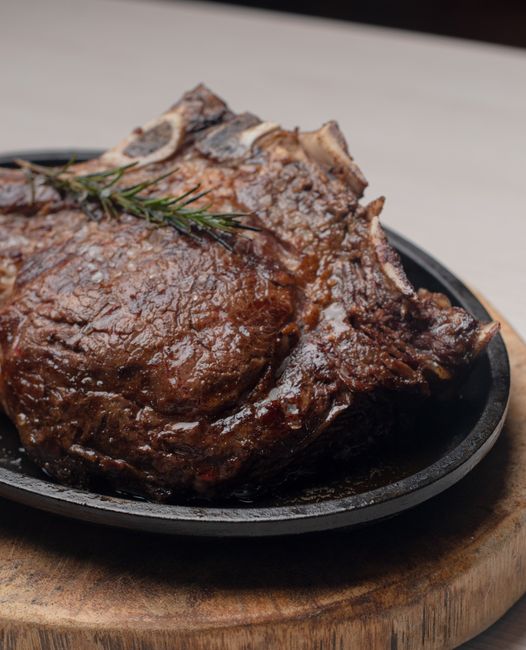
Blackstone Griddle Steak with Algae Oil Recipe
Algae cooking oil has a smoke point above 480°F and almost no flavor of its own, so it can sit on a screaming-hot griddle long enough to form a deep crust on the steak without scorching or turning bitter the way many vegetable oils do at that temperature.
Whataburger Patty Melt Recipe
Two thin, well-seasoned patties cook fast and stay juicy, griddled Texas toast holds up better than a soft bun under the sauce and onions, and a mayo-based black pepper sauce brings the tangy, slightly spicy edge that separates this from a plain cheeseburger.
White Castle Sliders Recipe
Punching holes in the thin patties before cooking lets steam pass through them instead of just around them, so the beef cooks through fast without ever needing a flip, and a layer of onions under the meat steams the patties while flavoring them at the same time, the two tricks that give White Castle sliders their soft, almost fried-onion-scented texture.
FAQ
Do I need a specific type of oil for Blackstone cooking?
Use an oil with a high smoke point like avocado, canola, or refined peanut oil. Olive oil burns and turns bitter at the high heat a flat top needs for a good sear.
What temperature should a Blackstone be for smash burgers versus vegetables?
Smash burgers want the surface as hot as it goes, around 450-500°F, so the patty sears in seconds. Vegetables cook better around 350-375°F so they soften without charring before the inside is done.
Why does food stick to my Blackstone even though it's seasoned?
Sticking usually means the griddle wasn't hot enough before food went on, or there wasn't enough oil. A properly seasoned surface still needs a fresh thin layer of oil each session, not just residual seasoning.
Can I cook something with a lot of sauce or liquid on a Blackstone?
Yes, but push it to one zone and keep the heat lower there, around 300°F, since flat tops have no sides to contain liquid and it will spread and reduce fast on the open surface.