
Duck Recipes
Duck's high fat content makes it forgiving and flavorful, but it rewards a slightly different technique than chicken - rendering the fat matters as much as the cooking temperature. These are the duck preparations worth learning.
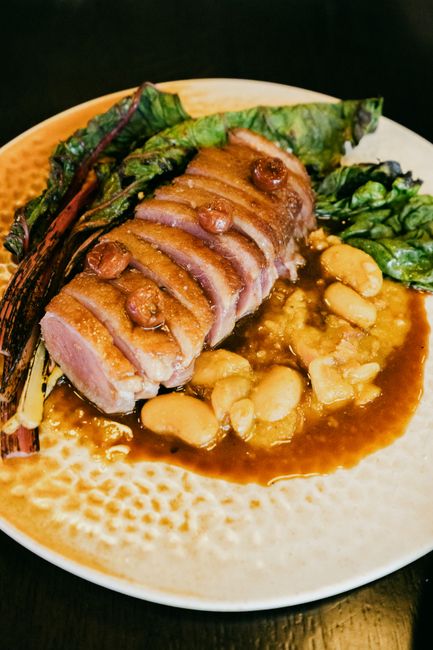
Pan-Seared Duck Breast
Scored, slowly rendered duck breast with crackling-crisp skin and a rosy center.

Duck Confit
Duck legs slow-cooked and preserved in their own rendered fat until fall-apart tender.
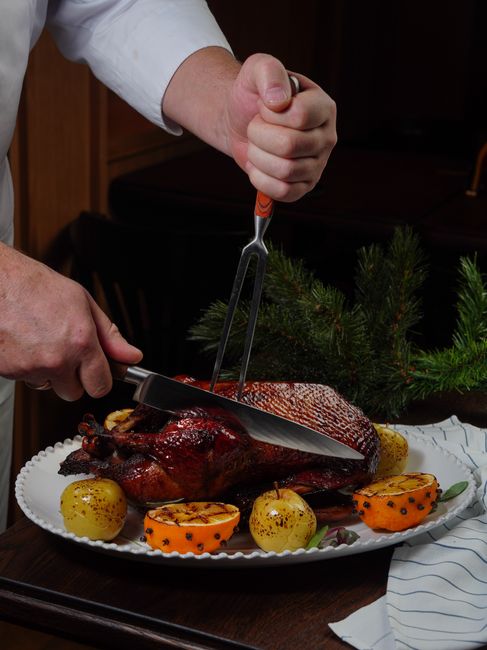
Whole Roast Duck
A whole roasted duck with crisp skin, basted and pricked to release excess fat as it cooks.
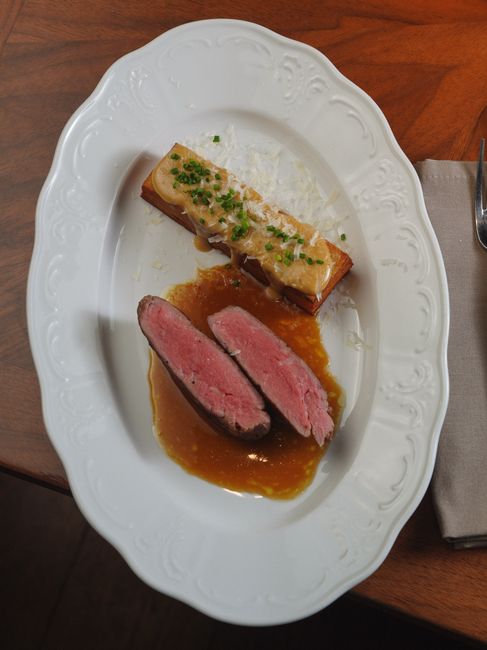
Duck Fat Roasted Potatoes
Potatoes roasted in reserved duck fat for an especially crisp, savory crust.
Peking Duck Recipe
Scalding the skin tightens it before it ever hits the oven, the maltose glaze gives the lacquered mahogany color and a faint sweetness as it caramelizes, and an uncovered overnight rest in the fridge dries the skin so thoroughly that a home oven, not a specialized rotisserie, can still render it into shattering crackling.
Roast Duck with Orange Sauce Recipe
Scoring the fat layer and starting at high heat renders the thick layer of fat under duck skin so it turns shatteringly crisp instead of rubbery, while a long, slower roast afterward keeps the dark, fatty meat from drying out.
FAQ
Why do you score duck breast skin before cooking?
Scoring the fat layer (without cutting into the meat) helps it render out more quickly and evenly, which is what produces genuinely crisp, non-rubbery skin.
Should I start duck breast skin-side up or down?
Skin-side down, in a cold or barely warm pan, then bring the heat up gradually, this slowly renders the fat instead of scorching the skin before the fat has had time to melt out.