
Eggplant Recipes
Eggplant's spongy flesh soaks up oil fast, which is why salting sliced or cubed eggplant for 20-30 minutes before cooking makes a real difference: it draws out excess moisture and bitterness, so the eggplant browns instead of steaming and needs noticeably less oil. How it's cooked next determines the whole dish, roasted until creamy for dips, breaded and fried for parmesan, or simmered low and slow into a curry. These are the eggplant recipes worth having in rotation, organized by that cooking method.
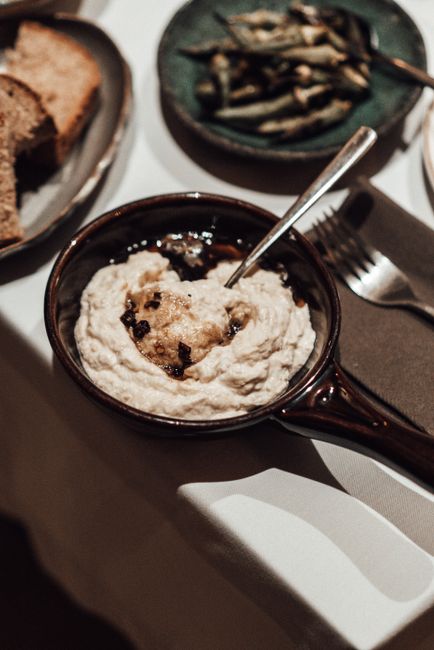
Baba Ganoush
Smoky, roasted eggplant dip blended with tahini, garlic, and lemon.
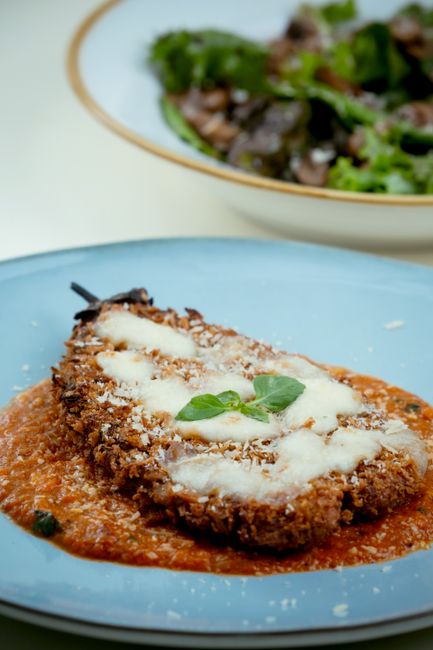
Eggplant Parmesan
Breaded, fried (or baked) eggplant layered with marinara and melted cheese.
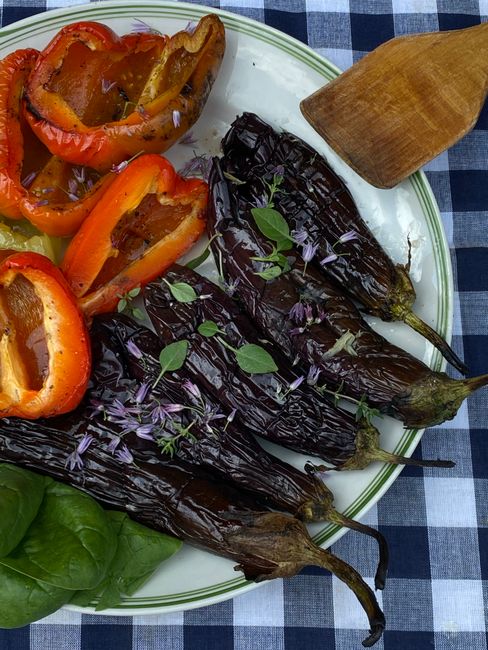
Roasted Eggplant with Garlic and Herbs
The simplest way to cook eggplant - olive oil, high heat, and just enough seasoning to let it shine.
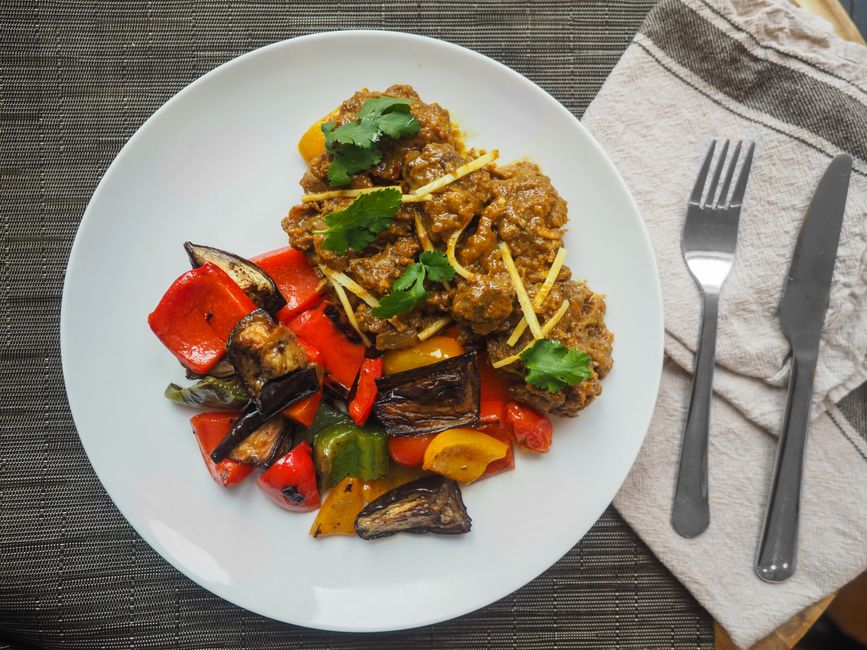
Eggplant Curry (Baingan Bharta)
Charred, mashed eggplant simmered with tomatoes, onion, and warm spices.
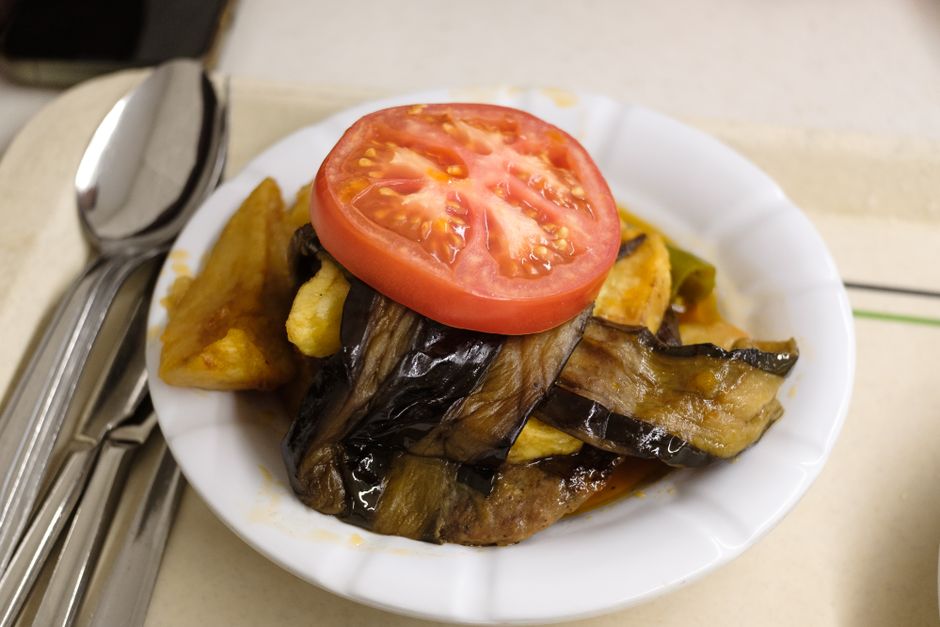
Grilled Eggplant Slices
Salted, grilled eggplant rounds with a quick balsamic glaze.
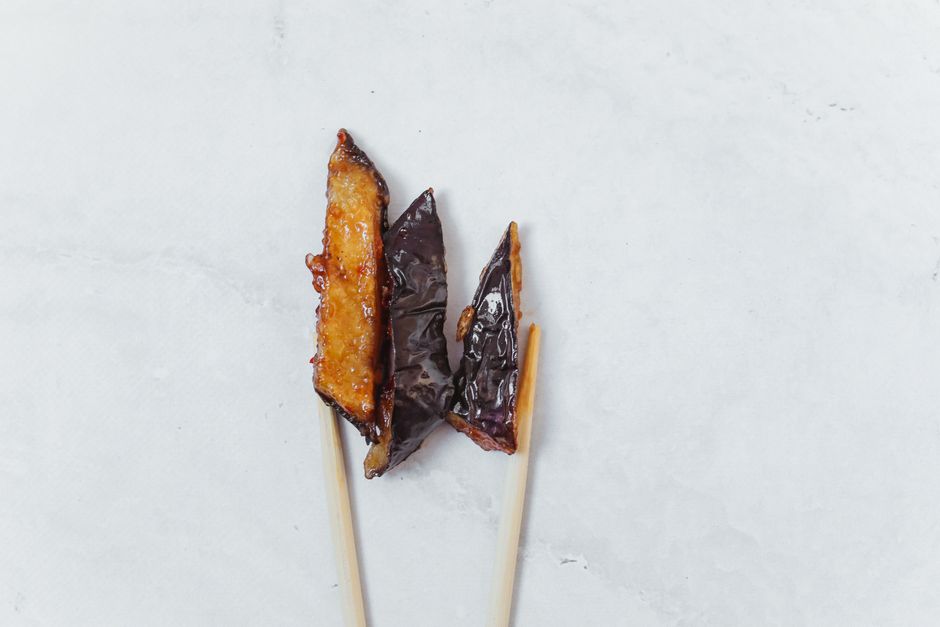
Miso-Glazed Eggplant (Nasu Dengaku)
Broiled eggplant halves topped with a sweet-savory miso glaze.
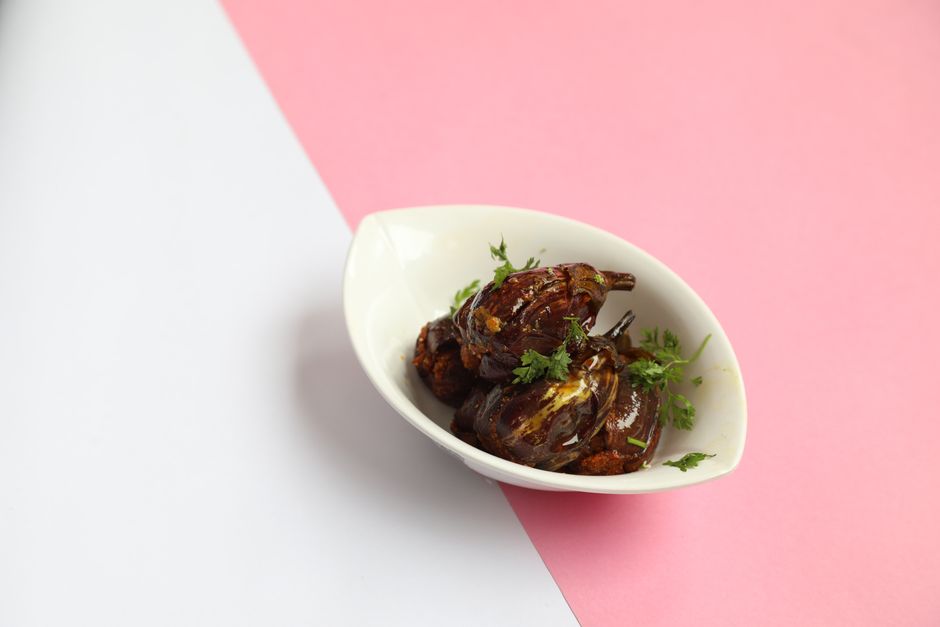
Brinjal Curry Recipe
Salting the eggplant first pulls out excess moisture and bitterness so it browns instead of steaming, and cooking the onion-tomato masala until the oil separates builds a deep base that the eggplant can fully absorb during a slow simmer.
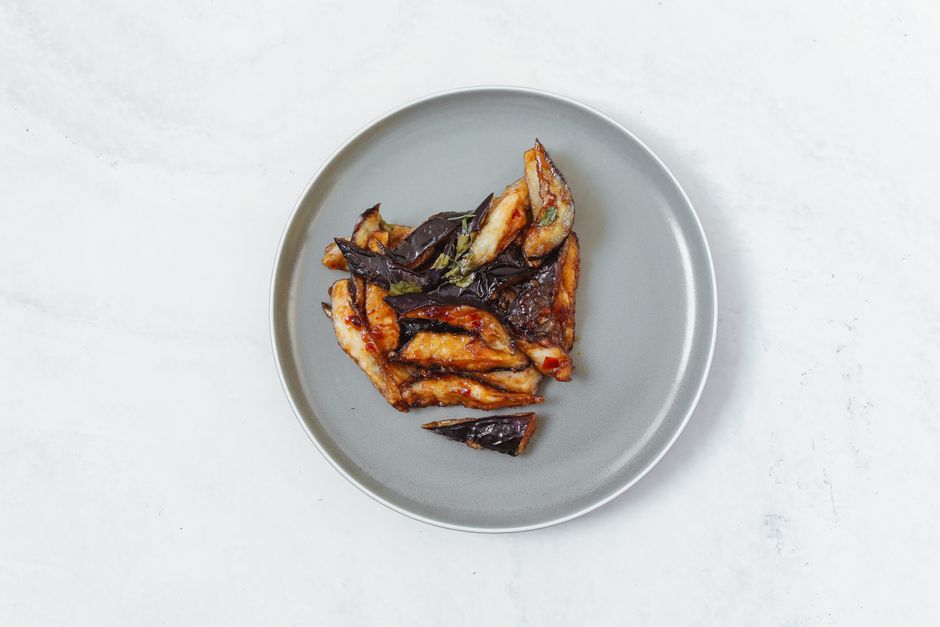
Low FODMAP Roasted Vegetables Recipe
Every vegetable here is one Monash University has tested as low FODMAP at normal serving sizes, and garlic-infused oil delivers real allium flavor without the fructans that live in the garlic clove itself.
FAQ
How do I keep eggplant from tasting bitter?
Modern eggplant varieties are bred to be much less bitter than older ones, so salting is mostly optional today. If using a large, older, or very seedy eggplant, salt the cut flesh, let it sit 20-30 minutes, then blot dry before cooking, this also helps it absorb less oil.
Do I need to peel eggplant before cooking?
No, the skin is edible and holds the flesh together during cooking. Peel it only if a recipe specifically calls for a smoother texture (some dips, like baba ganoush, are often made without the skin).
Do you need to peel eggplant before cooking?
No, the skin is edible and holds the flesh together during cooking; peel it only if a recipe specifically calls for a smoother texture, like some baba ganoush.
Why does eggplant sometimes taste bitter?
Older, larger eggplants develop more bitterness as their seeds mature; salting draws much of it out, and choosing smaller, firmer eggplants avoids the problem in the first place.